politics
Zuckerberg Acknowledges AI Progress at Meta is Lagging Behind Expectations
During a recent meeting, Mark Zuckerberg revealed to Meta employees that the development of AI agents is progressing more slowly than he initially anticipated. This comes after significant workforce adjustments aimed at enhancing AI capabilities.
Jane Doe
July 04, 2026
05:18 PM
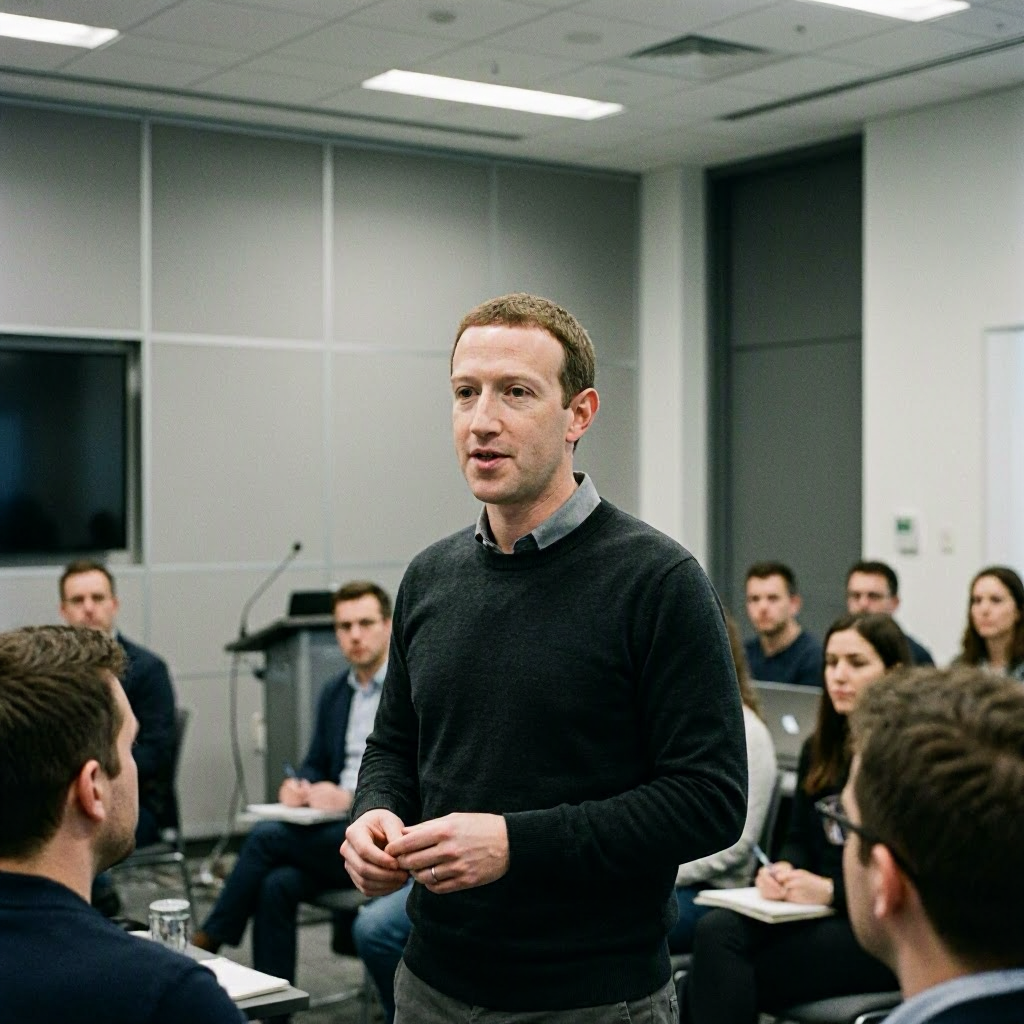
In a candid address to employees on Thursday, Meta CEO Mark Zuckerberg expressed his concerns regarding the pace of artificial intelligence (AI) development within the company. He noted that progress on AI agents, a key focus area for Meta, has not met his expectations, highlighting challenges in accelerating the technology despite recent organizational changes.
This revelation marks a significant moment for Meta, coming six months after the company underwent substantial workforce reductions. In a bid to pivot towards AI advancements, Meta laid off around 8,000 employees and reallocated another 7,000 workers to AI-focused roles. The adjustments were part of Zuckerberg's broader vision to position Meta at the forefront of AI innovation, yet the anticipated results have been slow to materialize.
Zuckerberg's admission underscores the complexities involved in developing sophisticated AI systems. Despite the company's heavy investment in talent and technology, the CEO acknowledged that the desired acceleration in AI capabilities has not come to fruition. “We are pushing hard, but the progress is not where I thought it would be by this time,” he stated during the meeting.
The slower-than-expected development could have broader implications for Meta’s strategic goals, especially as the company seeks to redefine itself amid increasing competition in the tech industry. With rivals making significant strides in AI, Zuckerberg's comments may signal the urgency for Meta to re-evaluate its strategies and resource allocation.
Moving forward, Zuckerberg emphasized the importance of maintaining a focused approach to AI development, suggesting that while the current pace is disappointing, the company remains committed to overcoming obstacles. “We will double down on our efforts and ensure that every resource is focused on achieving our AI objectives,” he assured staff.
As Meta navigates these challenges, the tech community will be closely watching its next moves. The company’s ability to enhance its AI capabilities could ultimately determine its competitive stance in the rapidly evolving landscape of technology.
गुरुवार को कर्मचारियों को संबोधित करते हुए मेटा के सीईओ मार्क जुकरबर्ग ने कंपनी के भीतर कृत्रिम बुद्धिमत्ता (एआई) विकास की रफ्तार को लेकर चिंता जताई। उन्होंने कहा कि मेटा के लिए अहम फोकस एरिया रहे एआई एजेंट्स पर काम उनकी उम्मीदों के मुताबिक आगे नहीं बढ़ पाया है, जिससे हालिया संगठनात्मक बदलावों के बावजूद तकनीक को तेज़ी से आगे बढ़ाने में आ रही चुनौतियां सामने आती हैं।
यह खुलासा मेटा के लिए एक अहम मोड़ माना जा रहा है, क्योंकि यह उस समय आया है जब कंपनी ने छह महीने पहले बड़े पैमाने पर कर्मचारियों में कटौती की थी। एआई पर जोर बढ़ाने के उद्देश्य से मेटा ने करीब 8,000 कर्मचारियों की छंटनी की और लगभग 7,000 कर्मचारियों को एआई-केंद्रित भूमिकाओं में स्थानांतरित किया। ये बदलाव जुकरबर्ग की उस व्यापक रणनीति का हिस्सा थे, जिसके तहत वे मेटा को एआई नवाचार की अग्रिम पंक्ति में देखना चाहते हैं, लेकिन अपेक्षित नतीजे अब तक धीमे रहे हैं।
जुकरबर्ग की यह स्वीकारोक्ति उन्नत एआई प्रणालियां विकसित करने की जटिलताओं को रेखांकित करती है। प्रतिभा और तकनीक में भारी निवेश के बावजूद उन्होंने माना कि एआई क्षमताओं में जिस तेजी की उम्मीद थी, वह हासिल नहीं हो सकी। बैठक में उन्होंने कहा, “हम पूरी ताकत से लगे हैं, लेकिन इस समय तक प्रगति वहां नहीं है, जहां मुझे लगा था कि होगी।”
उम्मीद से धीमा विकास मेटा के रणनीतिक लक्ष्यों पर व्यापक असर डाल सकता है, खासकर ऐसे समय में जब कंपनी बढ़ती प्रतिस्पर्धा के बीच खुद को नए सिरे से परिभाषित करने की कोशिश कर रही है। प्रतिद्वंद्वी कंपनियां एआई में तेज़ी से आगे बढ़ रही हैं, ऐसे में जुकरबर्ग की टिप्पणियां इस बात का संकेत हो सकती हैं कि मेटा को अपनी रणनीति और संसाधन आवंटन की फिर से समीक्षा करने की जरूरत है।
आगे की राह पर बात करते हुए जुकरबर्ग ने एआई विकास में फोकस बनाए रखने पर जोर दिया। उन्होंने संकेत दिया कि मौजूदा गति निराशाजनक जरूर है, लेकिन कंपनी बाधाओं को पार करने के लिए प्रतिबद्ध है। उन्होंने कर्मचारियों को भरोसा दिलाया, “हम अपने प्रयास और तेज़ करेंगे और सुनिश्चित करेंगे कि हर संसाधन हमारे एआई लक्ष्यों को हासिल करने पर केंद्रित हो।”
इन चुनौतियों के बीच मेटा के अगले कदमों पर टेक समुदाय की करीबी नजर रहेगी। तेजी से बदलते तकनीकी परिदृश्य में कंपनी अपनी एआई क्षमताओं को कितना मजबूत कर पाती है, यही अंततः उसकी प्रतिस्पर्धी स्थिति तय कर सकता है।