politics
Ukrainian Drones Target St. Petersburg Oil Terminal Amid Ongoing Conflict
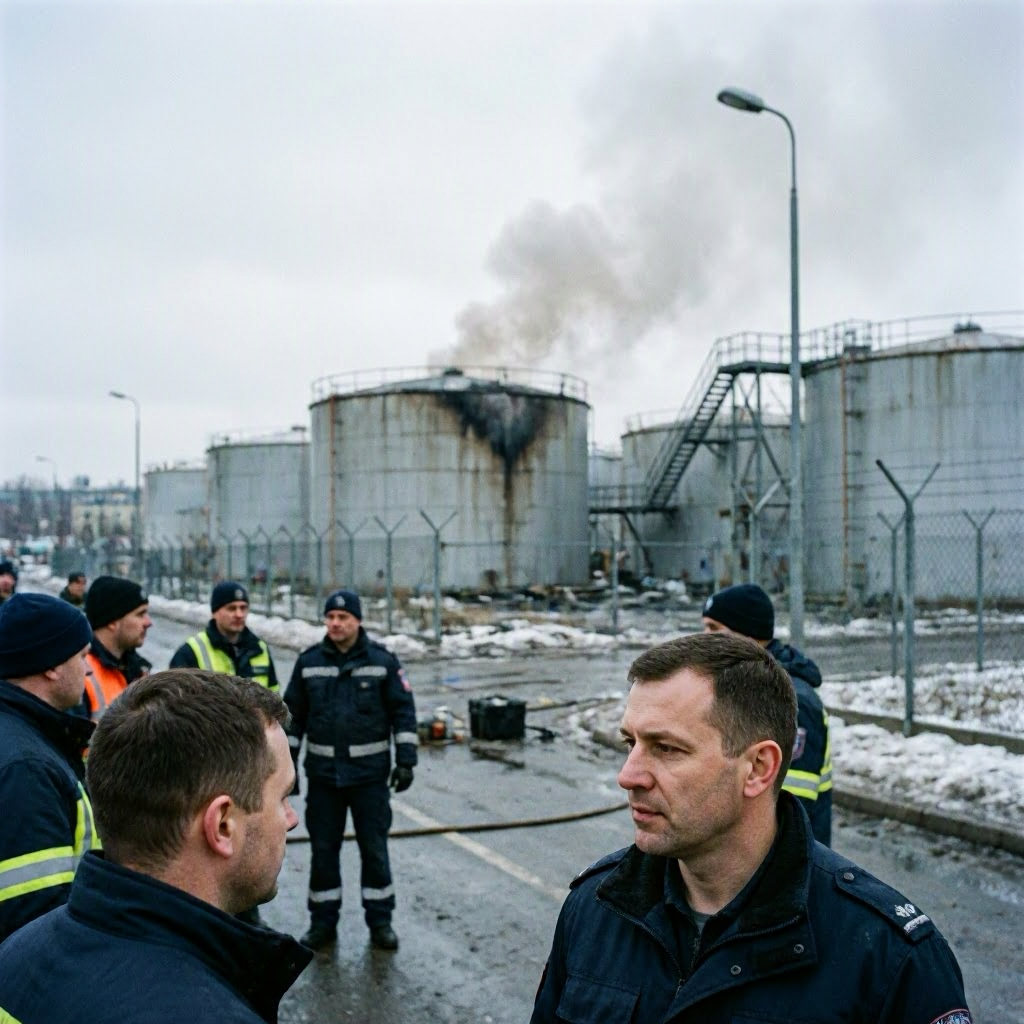
On July 4, Ukrainian drones struck the St. Petersburg Oil Terminal, igniting tanks for the second time in recent weeks. Russia reported intercepting 67 UAVs in the Leningrad region, yet satellite images revealed significant smoke rising from the facility.
John Smith
July 04, 2026
02:01 PM
In a significant escalation of aerial attacks, Ukrainian long-range drones targeted the St. Petersburg Oil Terminal on July 4, causing tanks to erupt in flames. This incident marks the second time in less than a month that the strategic facility has been struck, highlighting the ongoing volatility in the region amidst the conflict.
According to Russian officials, a total of 67 unmanned aerial vehicles (UAVs) were intercepted over the Leningrad region, showcasing the country's active defense measures against drone incursions. However, despite these claims, satellite imagery corroborated reports of a considerable smoke plume billowing above the oil terminal, indicating substantial fire damage.
The attacks are part of Ukraine's broader strategy to disrupt Russian logistics and oil supplies, which are critical to the war effort. Analysts suggest that targeting oil infrastructure not only impacts energy resources but also sends a message of resilience and capability from the Ukrainian forces.
In response to the striking incidents, experts have noted a shift in the dynamics of the conflict, with UAV technology becoming increasingly pivotal. “Drones have changed the landscape of warfare in this region,” said military analyst Ivan Petrov. “They allow for precision strikes that can significantly undermine the opponent’s operational capabilities.”
The Ukrainian government has not officially claimed responsibility for the latest strikes, adhering to a policy of ambiguity regarding drone operations. Nevertheless, the recurrence of attacks on such high-profile targets emphasizes Ukraine's commitment to leveraging every available resource in its defense strategy.
As the conflict continues to evolve, both countries remain on high alert, with Russia ramping up its air defenses and Ukraine exploring new avenues for counteraction. The implications of these developments could have far-reaching effects, not only for the ongoing conflict but also for the geopolitical landscape in Eastern Europe.
हवाई हमलों में एक अहम बढ़ोतरी के तौर पर 4 जुलाई को यूक्रेन के लंबी दूरी के ड्रोन ने सेंट पीटर्सबर्ग ऑयल टर्मिनल को निशाना बनाया, जिससे वहां मौजूद टैंकों में आग भड़क उठी। एक महीने से भी कम समय में रणनीतिक महत्व वाले इस ठिकाने पर यह दूसरी बार हमला हुआ है, जो संघर्ष के बीच क्षेत्र में बनी अस्थिरता को रेखांकित करता है।
रूसी अधिकारियों के मुताबिक, लेनिनग्राद क्षेत्र के ऊपर कुल 67 मानवरहित हवाई वाहनों (यूएवी) को मार गिराया गया, जिससे ड्रोन घुसपैठ के खिलाफ देश की सक्रिय वायु-रक्षा तैयारियों का संकेत मिलता है। हालांकि इन दावों के बावजूद, उपग्रह चित्रों में ऑयल टर्मिनल के ऊपर धुएं का बड़ा गुबार उठता दिखाई दिया, जो आग से हुए भारी नुकसान की पुष्टि करता है।
ये हमले यूक्रेन की उस व्यापक रणनीति का हिस्सा माने जा रहे हैं, जिसके तहत वह रूस की लॉजिस्टिक्स और तेल आपूर्ति शृंखला को बाधित करना चाहता है—जो युद्ध प्रयास के लिए अहम मानी जाती है। विश्लेषकों का कहना है कि तेल अवसंरचना को निशाना बनाने से न केवल ऊर्जा संसाधनों पर असर पड़ता है, बल्कि यूक्रेनी बलों की दृढ़ता और क्षमता का संदेश भी जाता है।
इन घटनाओं के बाद विशेषज्ञों ने संघर्ष की गतिशीलता में बदलाव की ओर इशारा किया है, जहां यूएवी तकनीक की भूमिका लगातार निर्णायक होती जा रही है। सैन्य विश्लेषक इवान पेत्रोव ने कहा, “ड्रोन ने इस क्षेत्र में युद्ध का स्वरूप बदल दिया है। वे ऐसे सटीक हमले संभव बनाते हैं, जो विरोधी की परिचालन क्षमता को गंभीर रूप से कमजोर कर सकते हैं।”
यूक्रेनी सरकार ने ताजा हमलों की आधिकारिक जिम्मेदारी नहीं ली है और ड्रोन अभियानों को लेकर ‘रणनीतिक अस्पष्टता’ की नीति पर कायम है। फिर भी, इतने बड़े और चर्चित ठिकानों पर बार-बार हमले इस बात को रेखांकित करते हैं कि यूक्रेन अपनी रक्षा रणनीति में उपलब्ध हर संसाधन का इस्तेमाल करने के लिए प्रतिबद्ध है।
जैसे-जैसे संघर्ष का स्वरूप बदल रहा है, दोनों देश हाई अलर्ट पर बने हुए हैं—रूस अपनी वायु-रक्षा को और मजबूत कर रहा है, जबकि यूक्रेन जवाबी कार्रवाई के नए विकल्प तलाश रहा है। इन घटनाक्रमों के दूरगामी असर हो सकते हैं, न केवल जारी संघर्ष पर बल्कि पूर्वी यूरोप के भू-राजनीतिक परिदृश्य पर भी।