politics
Tankers Alter Course in Hormuz Amid Rising Tensions with Iran
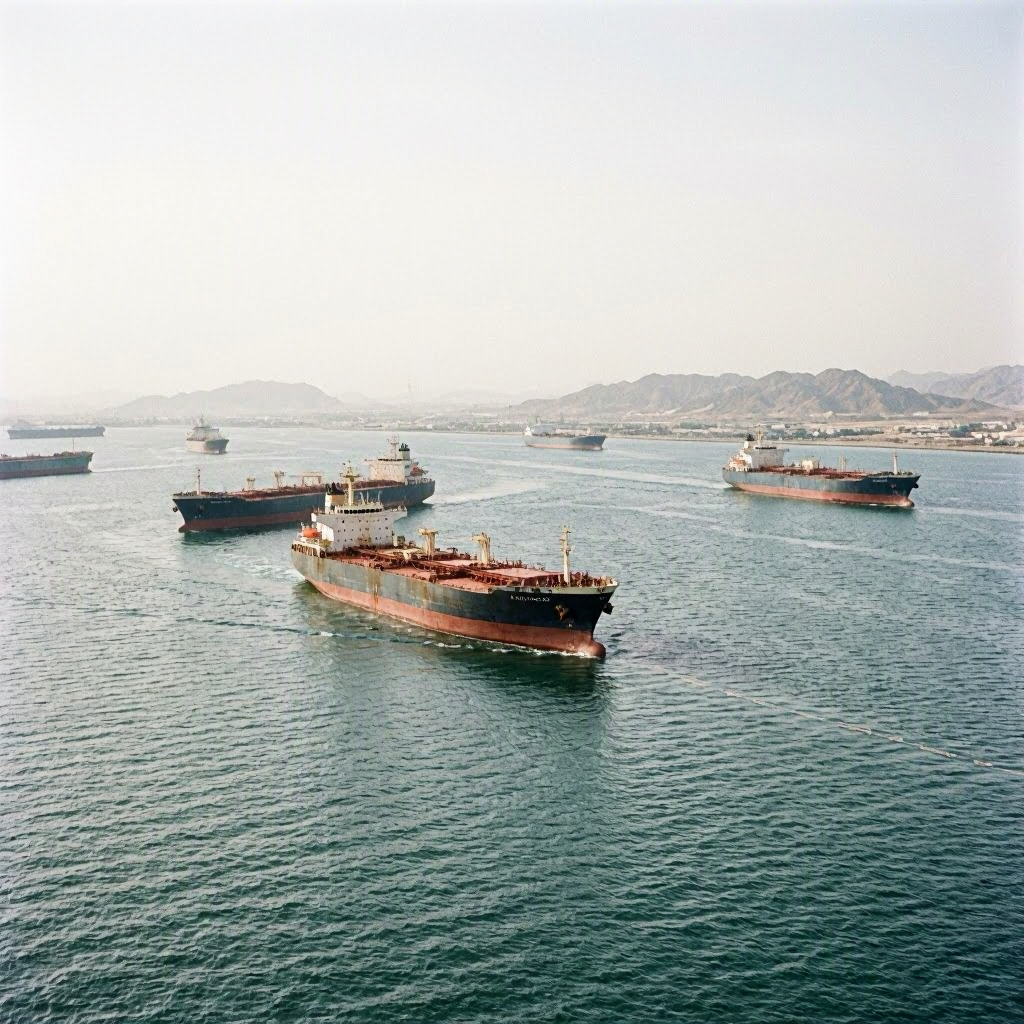
Amid heightened tensions, several tankers have altered their routes in the Strait of Hormuz, with some opting for Iranian ports. This comes as maritime traffic in the region remains below pre-war levels despite a deal to reopen the waterway.
Jordan Lee
July 04, 2026
09:16 PM
In a significant development in the ongoing geopolitical climate of the Persian Gulf, at least eight ships, primarily oil tankers, have made U-turns near the Omani coastline. This maneuver signals a notable assertion of influence by Iran over the strategically vital Strait of Hormuz. The decision by these vessels to alter their course reflects the complex dynamics currently at play in one of the world's most essential maritime corridors.
Reports indicate that despite a recent agreement between the United States and Iran aimed at reopening the waterway for commercial traffic, Iranian forces have been issuing warnings to approaching vessels. This has prompted some ship operators to reconsider their navigation routes, opting instead for the perceived safety of Iranian ports rather than risk confrontation.
According to maritime analysts, the traffic levels in the Strait have increased, yet they remain significantly below pre-war figures. This is indicative of the ongoing uncertainties that plague global oil markets, as stakeholders remain cautious about the implications of Iranian control in the region.
One shipping executive, who wished to remain anonymous, remarked, “The situation in the Gulf remains precarious. While there are efforts to normalize shipping routes, the threats from Iranian forces loom large, making many operators rethink their strategies.”
The Strait of Hormuz, which accounts for approximately 20% of the world’s oil trade, is a critical chokepoint. The recent U-turns by tankers serve as a stark reminder of the volatility that characterizes this vital maritime route and the challenges facing international shipping companies.
As tensions persist, observers will be closely monitoring the situation for any further developments that could impact oil supply chains and maritime security. The global oil market, already dealing with various pressures, could face additional challenges should the current state of affairs continue.
फ़ारस की खाड़ी के मौजूदा भू-राजनीतिक परिदृश्य में एक अहम घटनाक्रम के तहत, कम से कम आठ जहाज़ों—जिनमें अधिकांश तेल टैंकर हैं—ने ओमान के तट के पास यू-टर्न लिया है। इस कदम को रणनीतिक रूप से अत्यंत महत्वपूर्ण होरमुज़ जलडमरूमध्य पर ईरान के प्रभाव के स्पष्ट संकेत के रूप में देखा जा रहा है। जहाज़ों द्वारा मार्ग बदलने का फैसला दुनिया के सबसे अहम समुद्री गलियारों में से एक में चल रही जटिल परिस्थितियों को रेखांकित करता है।
रिपोर्टों के मुताबिक, वाणिज्यिक यातायात के लिए जलमार्ग को फिर से खोलने के उद्देश्य से अमेरिका और ईरान के बीच हाल में हुए समझौते के बावजूद ईरानी बलों ने पास आते जहाज़ों को चेतावनियाँ जारी की हैं। इसके चलते कुछ शिपिंग ऑपरेटरों ने अपने नेविगेशन रूट पर पुनर्विचार किया और टकराव का जोखिम उठाने के बजाय कथित तौर पर अधिक सुरक्षित विकल्प के रूप में ईरानी बंदरगाहों की ओर रुख किया।
समुद्री विश्लेषकों के अनुसार, जलडमरूमध्य में यातायात में बढ़ोतरी तो हुई है, लेकिन यह अब भी युद्ध-पूर्व आंकड़ों से काफी कम है। यह स्थिति वैश्विक तेल बाजारों में बनी अनिश्चितताओं की ओर इशारा करती है, जहां हितधारक क्षेत्र में ईरान के नियंत्रण के निहितार्थों को लेकर सतर्क बने हुए हैं।
एक शिपिंग अधिकारी ने नाम न छापने की शर्त पर कहा, “खाड़ी में हालात अब भी नाज़ुक हैं। शिपिंग रूट को सामान्य करने की कोशिशें जरूर हो रही हैं, लेकिन ईरानी बलों की धमकियाँ बड़ी चुनौती बनी हुई हैं, जिससे कई ऑपरेटर अपनी रणनीति पर फिर से सोचने को मजबूर हैं।”
होरमुज़ जलडमरूमध्य, जिसके जरिए दुनिया के करीब 20% तेल व्यापार का आवागमन होता है, एक बेहद अहम ‘चोकपॉइंट’ है। टैंकरों द्वारा हाल में लिए गए यू-टर्न इस महत्वपूर्ण समुद्री मार्ग की अस्थिरता और अंतरराष्ट्रीय शिपिंग कंपनियों के सामने खड़ी चुनौतियों की तीखी याद दिलाते हैं।
तनाव बने रहने के बीच पर्यवेक्षक आगे के किसी भी घटनाक्रम पर करीबी नजर रखेंगे, जो तेल आपूर्ति शृंखलाओं और समुद्री सुरक्षा को प्रभावित कर सकता है। पहले से कई दबावों से जूझ रहा वैश्विक तेल बाजार, यदि मौजूदा हालात जारी रहे, तो अतिरिक्त चुनौतियों का सामना कर सकता है।