The ongoing investigation into the alleged embezzlement of funds related to the construction of the Ram Mandir in Ayodhya has taken a significant turn as the Special Investigation Team (SIT) intensifies its efforts to uncover the truth. Authorities are keen on ensuring accountability in a project considered sacred by millions of devotees.
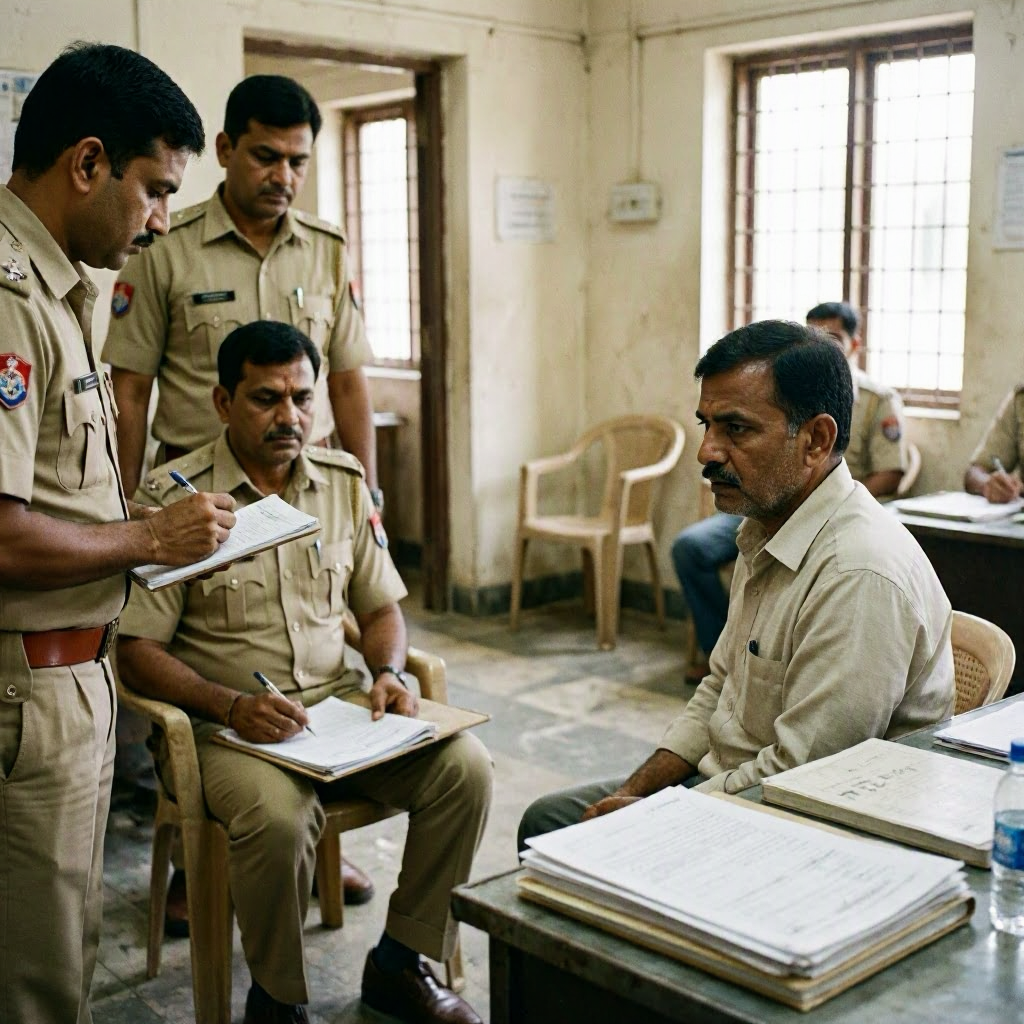
On Tuesday, the Uttar Pradesh Police conducted a detailed interrogation of Avinash Shukla, one of the key figures implicated in the case. Present during the questioning was Ayodhya Circle Officer Ashutosh Tiwari, alongside several other officials, underscoring the seriousness of the investigation.
Sources close to the investigation revealed that Shukla is suspected of mismanaging funds allocated for the temple's construction, raising concerns about financial irregularities. The SIT, which has been working tirelessly to piece together the case, aims to trace the flow of funds and identify potential collaborators in this alleged embezzlement scheme.
Officials have emphasized the importance of transparency in the entire process, given the temple's significance not only as a religious site but also as a symbol of cultural heritage. The SIT's probe is aimed at ensuring that justice is served and that donors' faith remains intact.
In a recent statement, Ayodhya authorities reiterated their commitment to accountability. “We are determined to leave no stone unturned in this investigation. The Ram Mandir's integrity and the trust of its supporters are our top priorities,” remarked one official.
The developments come amidst heightened public interest in the case, with many calling for a thorough investigation to address concerns about misuse of funds. The SIT is expected to gather more evidence in the coming days, which may lead to further questioning of multiple individuals involved in the financial aspects of the temple's construction.
As the investigation unfolds, the SIT's findings are likely to have significant implications not only for those accused but also for the ongoing efforts to construct the Ram Mandir, which is envisioned as a grand structure reflecting the historical and religious legacy of the site.