Health
Severe Heat Wave Sweeps Across Eastern US Ahead of July Fourth Celebrations
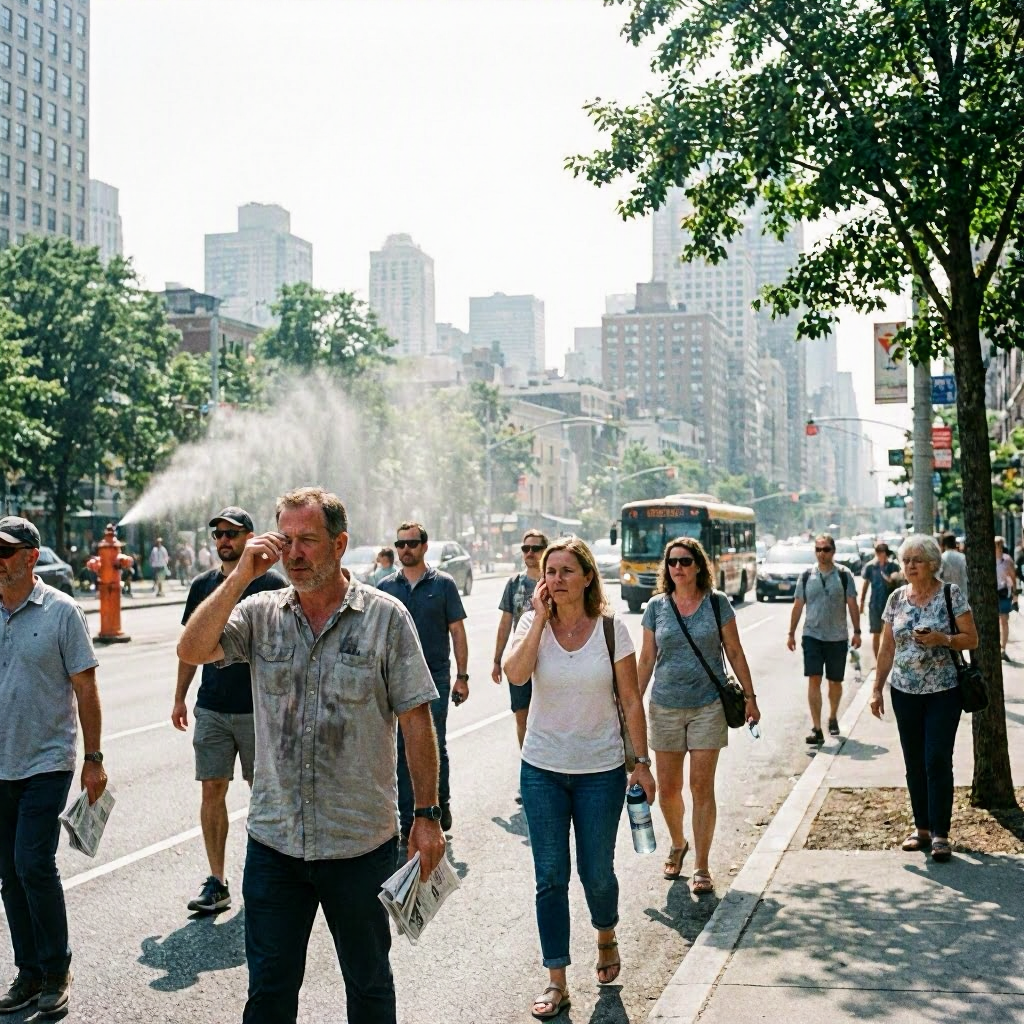
A dangerous heat wave is set to impact the eastern two-thirds of the United States as a heat dome intensifies this week. Major cities including New York, Philadelphia, Baltimore, and Washington are bracing for rising temperatures, prompting health officials to issue warnings.
Jessica Lane
June 30, 2026
02:33 PM
A dangerous heat wave is gripping much of the eastern United States as a heat dome builds over the region, just in time for the July Fourth holiday. Forecasters predict record-high temperatures in major cities, including New York, Philadelphia, Baltimore, and Washington D.C., raising concerns about heat-related illnesses.
The National Weather Service (NWS) reports that temperatures could soar above 100 degrees Fahrenheit in many areas starting this week. The combination of high humidity and oppressive heat will create a dangerous environment, particularly for vulnerable populations such as the elderly, children, and those with pre-existing health conditions.
In New York City, officials are urging residents to remain hydrated and seek air-conditioned spaces as the heat index is expected to make it feel even warmer. Mayor Eric Adams stated, "We are taking this heat wave seriously and urge everyone to prioritize their health and safety as temperatures rise." The city is opening cooling centers to provide relief.
Similarly, in Washington D.C., the mayor has declared a heat emergency, allowing for additional resources to be allocated to assist those without access to cooling facilities. In a press conference, he emphasized the importance of checking on neighbors and loved ones who may be affected by the extreme heat.
Health experts warn that prolonged exposure to high temperatures can lead to heat exhaustion and heatstroke. Dr. Jane Smith, a local physician, advised residents, "Stay indoors during the hottest parts of the day, wear light clothing, and drink plenty of water. It's vital to listen to your body and take breaks if you feel unwell."
The heat wave coincides with the nation’s celebration of Independence Day, leading to concerns about large gatherings and fireworks displays. Organizers of local events are being advised to monitor the weather closely and consider rescheduling festivities if conditions become too dangerous.
As this unprecedented heat wave continues to unfold, meteorologists are keeping a close eye on shifting weather patterns. The NWS encourages everyone in the affected areas to stay informed and take necessary precautions to ensure their safety during this extreme weather event.
अमेरिका के पूर्वी हिस्से के बड़े भाग में खतरनाक लू का असर बढ़ता जा रहा है। क्षेत्र के ऊपर ‘हीट डोम’ बनने से 4 जुलाई की छुट्टी के आसपास गर्मी और तीव्र होने की आशंका है। मौसम पूर्वानुमानकर्ताओं के अनुसार न्यूयॉर्क, फिलाडेल्फिया, बाल्टीमोर और वॉशिंगटन डी.सी. जैसे प्रमुख शहरों में रिकॉर्ड स्तर तक तापमान पहुंच सकता है, जिससे गर्मी से जुड़ी बीमारियों का खतरा बढ़ गया है।
नेशनल वेदर सर्विस (NWS) के मुताबिक, इस सप्ताह से कई इलाकों में तापमान 100 डिग्री फ़ारेनहाइट से ऊपर जा सकता है। अधिक नमी और झुलसाने वाली गर्मी का मेल हालात को और खतरनाक बना देगा, खासकर बुजुर्गों, बच्चों और पहले से स्वास्थ्य समस्याओं से जूझ रहे लोगों के लिए।
न्यूयॉर्क सिटी में अधिकारियों ने लोगों से पर्याप्त पानी पीते रहने और एयर-कंडीशंड जगहों में रहने की अपील की है, क्योंकि ‘हीट इंडेक्स’ के कारण गर्मी वास्तविक तापमान से भी अधिक महसूस हो सकती है। मेयर एरिक एडम्स ने कहा, “हम इस हीट वेव को गंभीरता से ले रहे हैं और तापमान बढ़ने के साथ सभी से आग्रह करते हैं कि वे अपने स्वास्थ्य और सुरक्षा को प्राथमिकता दें।” राहत के लिए शहर में कूलिंग सेंटर खोले जा रहे हैं।
इसी तरह वॉशिंगटन डी.सी. में मेयर ने ‘हीट इमरजेंसी’ घोषित की है, जिससे कूलिंग सुविधाओं तक पहुंच न रखने वालों की मदद के लिए अतिरिक्त संसाधन जुटाए जा सकेंगे। एक प्रेस कॉन्फ्रेंस में उन्होंने पड़ोसियों और परिजनों की कुशल-क्षेम लेने पर जोर देते हुए कहा कि अत्यधिक गर्मी से प्रभावित लोगों पर नजर रखना जरूरी है।
स्वास्थ्य विशेषज्ञों का कहना है कि लंबे समय तक ऊंचे तापमान के संपर्क में रहने से हीट एग्जॉशन और हीटस्ट्रोक जैसी गंभीर स्थितियां पैदा हो सकती हैं। स्थानीय चिकित्सक डॉ. जेन स्मिथ ने सलाह दी, “दिन के सबसे गर्म समय में घर के भीतर रहें, हल्के कपड़े पहनें और खूब पानी पिएं। शरीर के संकेतों पर ध्यान देना जरूरी है और अस्वस्थ महसूस होने पर तुरंत आराम करें।”
यह लू देश में स्वतंत्रता दिवस के समारोहों के साथ पड़ रही है, जिससे बड़े जमावड़ों और आतिशबाजी कार्यक्रमों को लेकर चिंता बढ़ गई है। स्थानीय आयोजनों के आयोजकों को मौसम पर करीबी नजर रखने और हालात ज्यादा खतरनाक होने पर कार्यक्रमों को पुनर्निर्धारित करने पर विचार करने की सलाह दी जा रही है।
जैसे-जैसे यह असाधारण गर्मी का दौर आगे बढ़ रहा है, मौसम वैज्ञानिक बदलते मौसम पैटर्न पर लगातार नजर बनाए हुए हैं। NWS ने प्रभावित इलाकों के लोगों से अपील की है कि वे ताजा अपडेट लेते रहें और इस चरम मौसम के दौरान अपनी सुरक्षा के लिए जरूरी सावधानियां अपनाएं।