World
Rising Tensions in the Middle East: A Looming Crisis
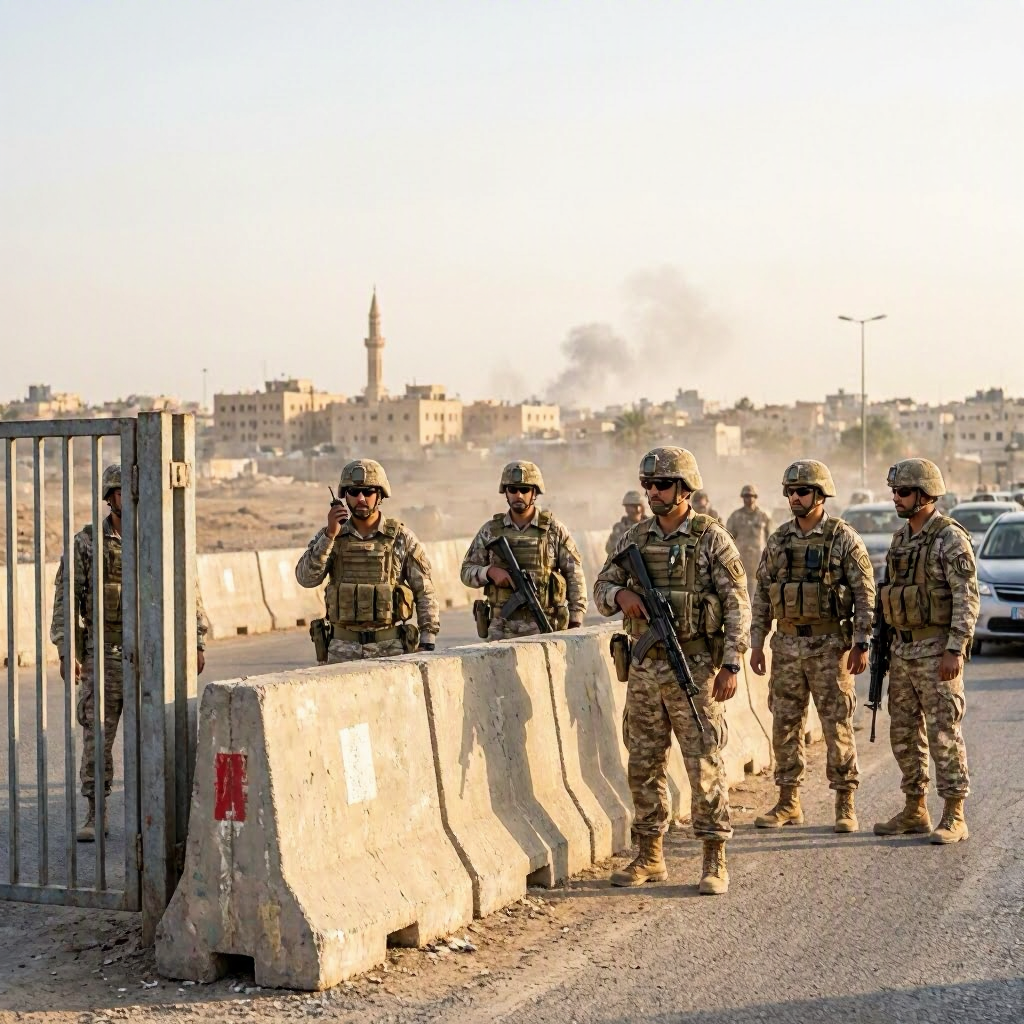
As conflicts escalate across the Middle East, global tensions are rising with implications for international security. Recent military maneuvers and diplomatic breakdowns have left many nations on high alert.
Jordan Miller
June 30, 2026
02:28 PM
The Middle East is witnessing a surge in tensions as multiple conflicts flare up, prompting concerns from global leaders regarding regional stability. The ongoing disputes in Israel, Syria, and Iraq, along with the involvement of external powers, have raised alarms about potential escalations into wider conflicts.
In Israel, the recent clashes between Israeli forces and Palestinian groups have intensified, leading to a sharp rise in casualties. According to reports, over 200 Palestinians have been killed in the past month alone, igniting protests and calls for international intervention. Israeli Prime Minister Naftali Bennett announced new military operations aimed at curbing what he termed ‘terrorist activities’ in the region.
Meanwhile, in Syria, the situation remains precarious as government forces clash with various rebel factions. The Syrian Observatory for Human Rights reported that recent airstrikes have displaced thousands of civilians, further complicating an already dire humanitarian crisis. U.S. officials have expressed concern, with Secretary of State Antony Blinken stating that “the situation in Syria remains a top priority for our administration.”
The involvement of Iran in these conflicts also adds another layer of complexity. Iranian-backed militia groups are increasingly active in Iraq and Syria, prompting fears of a broader regional conflict. In a recent conference, Iranian Foreign Minister Hossein Amir-Abdollahian warned that any threats against Iran would be met with a decisive response.
Global leaders are reacting to these developments with heightened diplomatic activity. The United Nations held an emergency meeting last week to address the escalating violence, with Secretary-General António Guterres urging all parties to exercise restraint. “We cannot afford another full-scale conflict in the Middle East,” he remarked.
As nations monitor these developments, the potential for economic repercussions is also a concern. Oil prices have already started to rise amidst fears of disruptions in supply chains due to military escalations. Analysts predict that unless diplomatic efforts yield results, the region could see further instability with global implications.
In conclusion, the Middle East is at a critical juncture where rising tensions could lead to significant consequences not just for the region, but for the world at large. As leaders engage in urgent discussions, the international community watches closely, hoping for a peaceful resolution to these pressing conflicts.
मध्य पूर्व में एक साथ कई संघर्ष भड़कने से तनाव में तेज उछाल देखा जा रहा है। क्षेत्रीय स्थिरता को लेकर वैश्विक नेताओं की चिंताएं बढ़ गई हैं। इज़राइल, सीरिया और इराक में जारी विवादों के साथ बाहरी शक्तियों की भूमिका ने इस आशंका को और मजबूत किया है कि हालात व्यापक टकराव में बदल सकते हैं।
इज़राइल में इज़राइली बलों और फ़िलिस्तीनी समूहों के बीच हालिया झड़पें और तीव्र हो गई हैं, जिससे हताहतों की संख्या में तेज बढ़ोतरी हुई है। रिपोर्टों के मुताबिक, बीते एक महीने में ही 200 से अधिक फ़िलिस्तीनी मारे गए हैं, जिसके बाद विरोध-प्रदर्शन तेज हुए और अंतरराष्ट्रीय हस्तक्षेप की मांग उठने लगी। इज़राइली प्रधानमंत्री नफ्ताली बेनेट ने क्षेत्र में, उनके शब्दों में, ‘आतंकी गतिविधियों’ पर लगाम लगाने के उद्देश्य से नए सैन्य अभियानों की घोषणा की।
उधर, सीरिया में हालात अब भी बेहद नाजुक बने हुए हैं, जहां सरकारी बलों और विभिन्न विद्रोही गुटों के बीच संघर्ष जारी है। सीरियन ऑब्ज़र्वेटरी फॉर ह्यूमन राइट्स के अनुसार, हालिया हवाई हमलों के चलते हजारों नागरिक विस्थापित हुए हैं, जिससे पहले से गंभीर मानवीय संकट और जटिल हो गया है। अमेरिकी अधिकारियों ने चिंता जताई है। विदेश मंत्री एंटनी ब्लिंकन ने कहा कि “सीरिया की स्थिति हमारे प्रशासन की शीर्ष प्राथमिकताओं में बनी हुई है।”
इन संघर्षों में ईरान की भूमिका एक और जटिल परत जोड़ती है। ईरान समर्थित मिलिशिया समूह इराक और सीरिया में लगातार अधिक सक्रिय हो रहे हैं, जिससे व्यापक क्षेत्रीय संघर्ष की आशंका बढ़ रही है। हालिया एक सम्मेलन में ईरानी विदेश मंत्री हुसैन अमीर-अब्दुल्लाहियान ने चेतावनी दी कि ईरान के खिलाफ किसी भी तरह की धमकी का “निर्णायक जवाब” दिया जाएगा।
इन घटनाक्रमों पर वैश्विक नेताओं की प्रतिक्रिया के तौर पर कूटनीतिक गतिविधियां तेज हो गई हैं। संयुक्त राष्ट्र ने बढ़ती हिंसा पर चर्चा के लिए पिछले सप्ताह आपात बैठक बुलाई, जिसमें महासचिव एंतोनियो गुतारेस ने सभी पक्षों से संयम बरतने की अपील की। उन्होंने कहा, “हम मध्य पूर्व में एक और पूर्ण पैमाने के संघर्ष का जोखिम नहीं उठा सकते।”
देशों के हालात पर नजर बनाए रखने के बीच आर्थिक असर की आशंका भी बढ़ रही है। सैन्य तनाव के चलते आपूर्ति शृंखलाओं में बाधा की चिंताओं के बीच तेल की कीमतों में पहले ही बढ़ोतरी शुरू हो गई है। विश्लेषकों का कहना है कि यदि कूटनीतिक प्रयास ठोस नतीजे नहीं दे पाए, तो क्षेत्र में अस्थिरता और बढ़ सकती है, जिसका असर वैश्विक स्तर पर पड़ेगा।
कुल मिलाकर, मध्य पूर्व एक निर्णायक मोड़ पर खड़ा है, जहां बढ़ता तनाव न केवल क्षेत्र के लिए, बल्कि दुनिया के लिए भी गंभीर परिणाम ला सकता है। नेता तात्कालिक बातचीत में जुटे हैं और अंतरराष्ट्रीय समुदाय इन दबावपूर्ण संघर्षों के शांतिपूर्ण समाधान की उम्मीद में घटनाक्रम पर करीबी नजर बनाए हुए है।