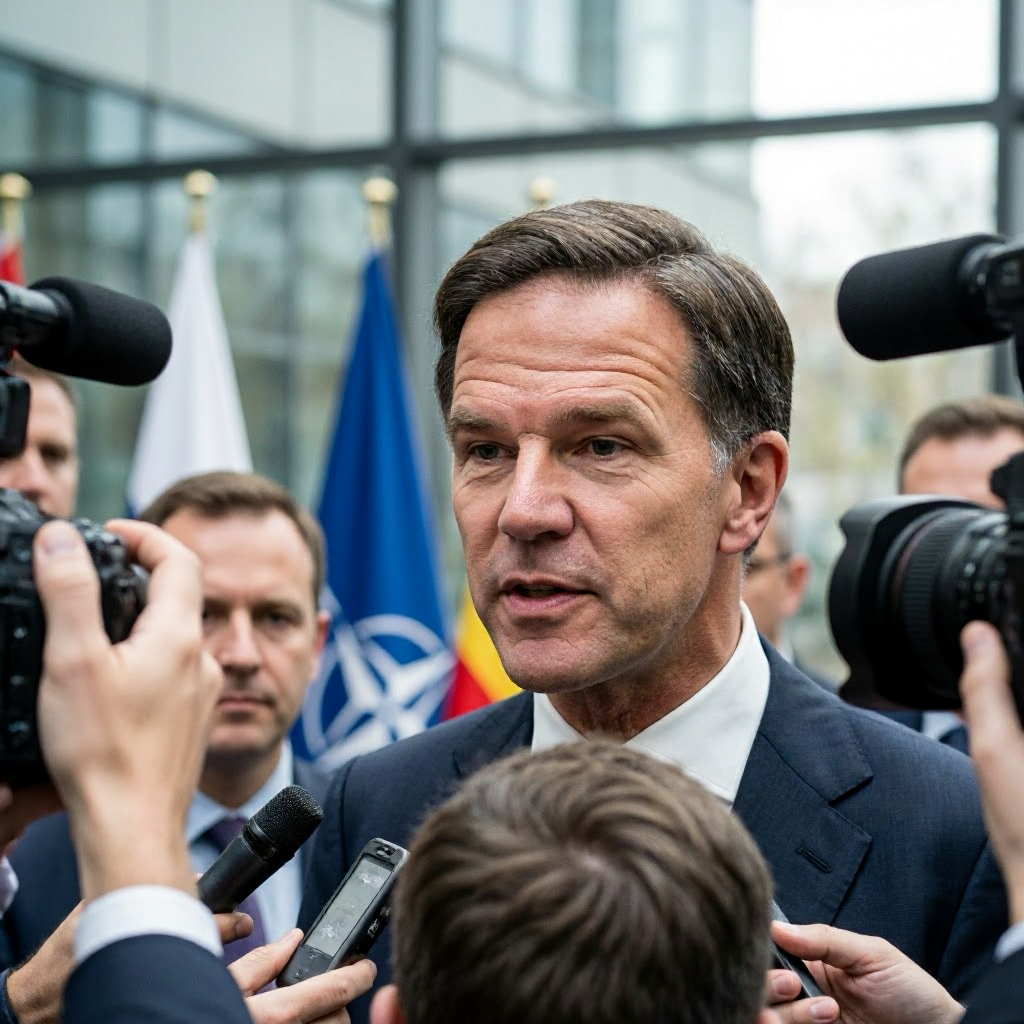
In a significant development at the NATO summit held in Ankara, NATO Secretary-General Mark Rutte expressed strong support for the recent US military strikes on Iran. Rutte characterized these actions as 'absolutely necessary' following Iran's alleged violations of a ceasefire agreement with the United States.
Rutte's remarks came amid a backdrop of international concern over Iran's aggressive stance, particularly its attacks on multiple shipping vessels in international waters. These incidents have raised alarms over the safety of maritime trade routes and prompted calls for a robust response from the international community.
Highlighting the importance of maintaining international agreements, Rutte stated, “When you have a ceasefire and Iran is basically violating the ceasefire, I think it is crucial to respond.” His support aligns with US President Donald Trump's stance, who has called for decisive action against Iran's provocations.
Despite Rutte's backing, many NATO member states remain hesitant to fully endorse military action against Iran, reflecting the complexity of the geopolitical landscape. The division among NATO allies underscores the challenges facing the alliance in formulating a unified response to threats in the Middle East.
As the discussions at the summit continue, the focus on Iran's activities is expected to dominate conversations regarding regional security. Rutte's comments may pave the way for further discussions on NATO's role in addressing such international challenges and the implications for collective defense agreements.
In conclusion, while Rutte's endorsement of US military actions may resonate with some members, it also highlights the ongoing debate within NATO about the most effective strategies for dealing with Iran's aggressive behavior. The alliance faces a critical juncture as it seeks to balance collective security with diplomatic resolutions.