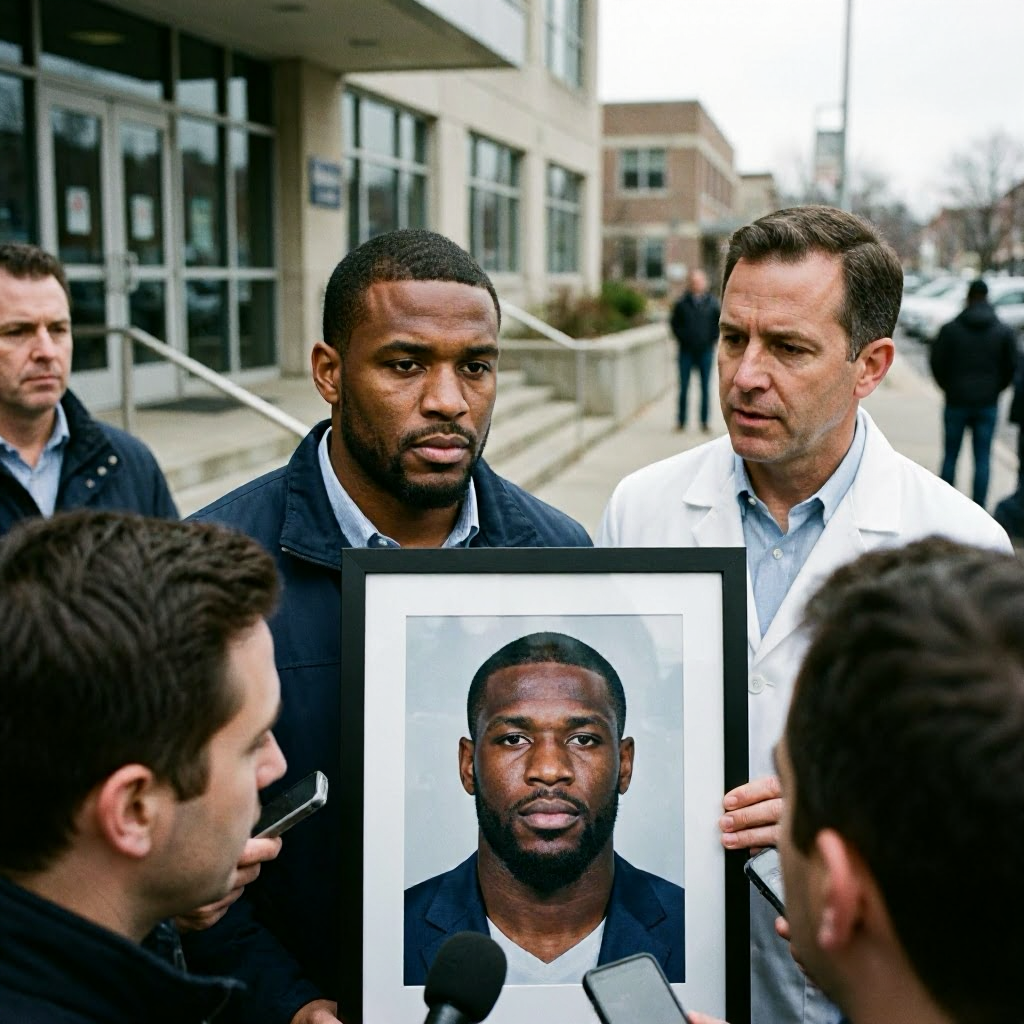
The family of former Dallas Cowboys defensive end Marshawn Kneeland has revealed that he was diagnosed with stage 1 chronic traumatic encephalopathy (CTE) after his untimely death in November 2025. Kneeland, who was just 24 years old at the time, took his own life, prompting his family to seek answers through a postmortem brain tissue analysis.
In a statement released through the Concussion & CTE Foundation, the family announced the findings from researchers at Boston University's CTE Center. Dr. Ann McKee, a leading expert in the field, conducted the analysis and expressed her grim recognition of the disease, stating, "Unfortunately, I was not surprised to find CTE in the brain of Mr. Kneeland, because we have found this progressive brain disease in nearly half of the athletes we've studied who have died before the age of 30."
This diagnosis underscores the alarming prevalence of CTE among young athletes, particularly those in contact sports like football. CTE is a degenerative brain condition linked to repeated head trauma, which can lead to severe cognitive impairments, mood disorders, and, tragically, suicide.
Kneeland's family has become advocates for increased awareness and research into CTE and its effects on athletes. They hope that sharing their son's story will lead to better preventative measures and treatments for current and future players. "We want to honor Marshawn's legacy by shining a light on this critical issue," they stated in their announcement.
The NFL has faced mounting pressure to address player safety and the long-term impacts of concussions in recent years. With the growing body of evidence linking CTE to football, there are calls for enhanced protocols to protect players at all levels.
As the sports community mourns the loss of Kneeland, his story is a poignant reminder of the hidden dangers associated with the game. The diagnosis may serve as a catalyst for change, sparking dialogue about how to better safeguard the health of athletes, particularly in high-impact sports.