politics
Karnataka Enforces No-Fly Zone in Belagavi for RSS Chief's Visit
Ahead of RSS Chief Mohan Bhagwat's visit, Belagavi has implemented a No-Fly Zone and increased security measures. The district administration has designated a 2-km radius around key venues as a Red Zone from July 6 to July 14 to ensure safety during the anticipated gatherings.
Rajesh Kumar
July 05, 2026
10:11 PM
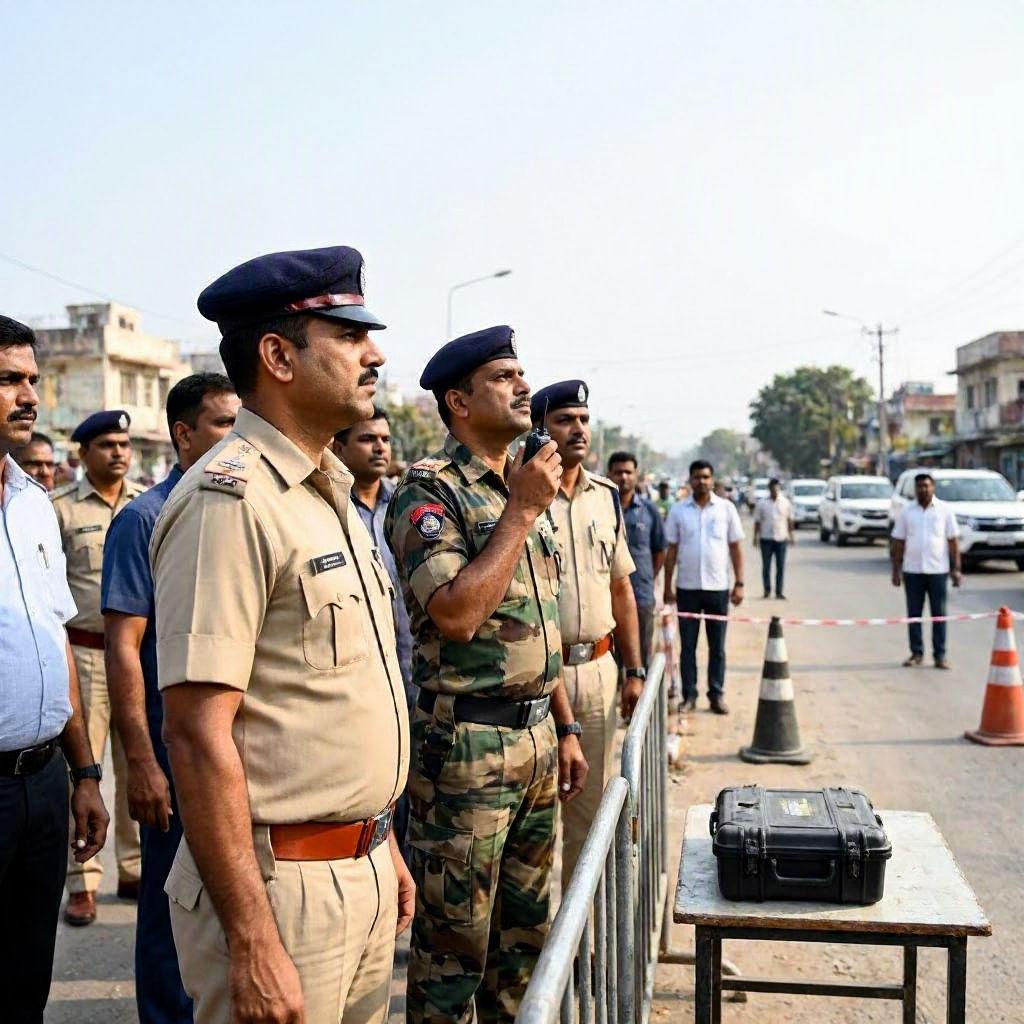
Belagavi, Karnataka – Security measures have been ramped up in Belagavi ahead of the upcoming visit of Rashtriya Swayamsevak Sangh (RSS) Chief Dr. Mohan Bhagwat. In a proactive effort to maintain safety, the district administration has declared a No-Fly Zone in the city, coinciding with a series of important RSS meetings.
The district's magistrate has issued an order under Section 163 of the Bharatiya Nagarik Suraksha Sanhita (BNSS), 2023, announcing that a 2-kilometer radius around three significant venues will be classified as a 'Red Zone' or 'No Fly Zone' from July 6 to July 14. This decision underscores the administration's commitment to ensuring a secure environment for both attendees and the general public.
The issuance of this order is part of a broader security strategy which includes the deployment of additional police personnel throughout Belagavi. Local authorities are keen to prevent any potential disruptions or unrest during the period of heightened activity, especially given the prominence of Dr. Bhagwat within the RSS.
In comments to the press, a spokesperson for the Belagavi district administration stated, "We are dedicated to upholding public safety and ensuring that all events proceed without incident. The measures we have put in place reflect our readiness to respond to any situation that may arise."
Community leaders and RSS supporters are also preparing for the visit, with many expressing enthusiasm about the opportunity to engage with the RSS Chief. Local supporters are expected to gather in large numbers at the designated venues, further necessitating the security measures put in place.
As the visit date approaches, residents are advised to remain informed about the regulations and traffic restrictions associated with the No-Fly Zone. Authorities are working to ensure that any inconvenience to local residents is minimized during this crucial period.
With the anticipation of Dr. Bhagwat's visit, Belagavi is bracing itself for a week of intense activity and considerable public interest, underlining the significant role that the RSS plays in the region's socio-political landscape.
बेलगावी, कर्नाटक – राष्ट्रीय स्वयंसेवक संघ (आरएसएस) के सरसंघचालक डॉ. मोहन भागवत के आगामी दौरे को देखते हुए बेलगावी में सुरक्षा व्यवस्था और कड़ी कर दी गई है। एहतियात के तौर पर जिला प्रशासन ने शहर में नो-फ्लाई जोन घोषित किया है, जो आरएसएस की महत्वपूर्ण बैठकों की श्रृंखला के साथ लागू रहेगा।
जिले के मजिस्ट्रेट ने भारतीय नागरिक सुरक्षा संहिता (बीएनएसएस), 2023 की धारा 163 के तहत आदेश जारी करते हुए कहा है कि तीन प्रमुख स्थलों के आसपास 2 किलोमीटर के दायरे को 6 जुलाई से 14 जुलाई तक ‘रेड जोन’ या ‘नो-फ्लाई जोन’ के रूप में वर्गीकृत किया जाएगा। यह फैसला कार्यक्रमों में शामिल होने वाले लोगों और आम नागरिकों—दोनों की सुरक्षा सुनिश्चित करने के प्रशासन के संकल्प को दर्शाता है।
यह आदेश व्यापक सुरक्षा रणनीति का हिस्सा है, जिसके तहत बेलगावी में अतिरिक्त पुलिस बल की तैनाती भी की जा रही है। स्थानीय प्रशासन का फोकस इस अवधि में किसी भी संभावित व्यवधान या तनाव की आशंका को रोकने पर है, खासकर आरएसएस में डॉ. भागवत की प्रमुख भूमिका को देखते हुए।
प्रेस से बातचीत में बेलगावी जिला प्रशासन के एक प्रवक्ता ने कहा, “हम सार्वजनिक सुरक्षा बनाए रखने और यह सुनिश्चित करने के लिए प्रतिबद्ध हैं कि सभी कार्यक्रम बिना किसी घटना के संपन्न हों। हमने जो कदम उठाए हैं, वे किसी भी स्थिति से निपटने की हमारी तैयारी को दर्शाते हैं।”
इस बीच, समुदाय के नेता और आरएसएस समर्थक भी दौरे की तैयारियों में जुटे हैं। कई लोगों ने आरएसएस प्रमुख से संवाद का अवसर मिलने को लेकर उत्साह जताया है। निर्धारित स्थलों पर बड़ी संख्या में समर्थकों के जुटने की संभावना है, जिससे सुरक्षा उपायों की जरूरत और बढ़ गई है।
दौरे की तारीख नजदीक आने के साथ ही निवासियों को सलाह दी गई है कि वे नो-फ्लाई जोन से जुड़े नियमों और यातायात प्रतिबंधों की जानकारी लेते रहें। प्रशासन का कहना है कि स्थानीय लोगों को होने वाली असुविधा को न्यूनतम रखने के लिए प्रयास किए जा रहे हैं।
डॉ. भागवत के दौरे को लेकर बढ़ती हलचल के बीच बेलगावी एक सप्ताह तक तीव्र गतिविधियों और व्यापक जन-रुचि के लिए तैयार हो रहा है, जो क्षेत्र के सामाजिक-राजनीतिक परिदृश्य में आरएसएस की महत्वपूर्ण भूमिका को रेखांकित करता है।