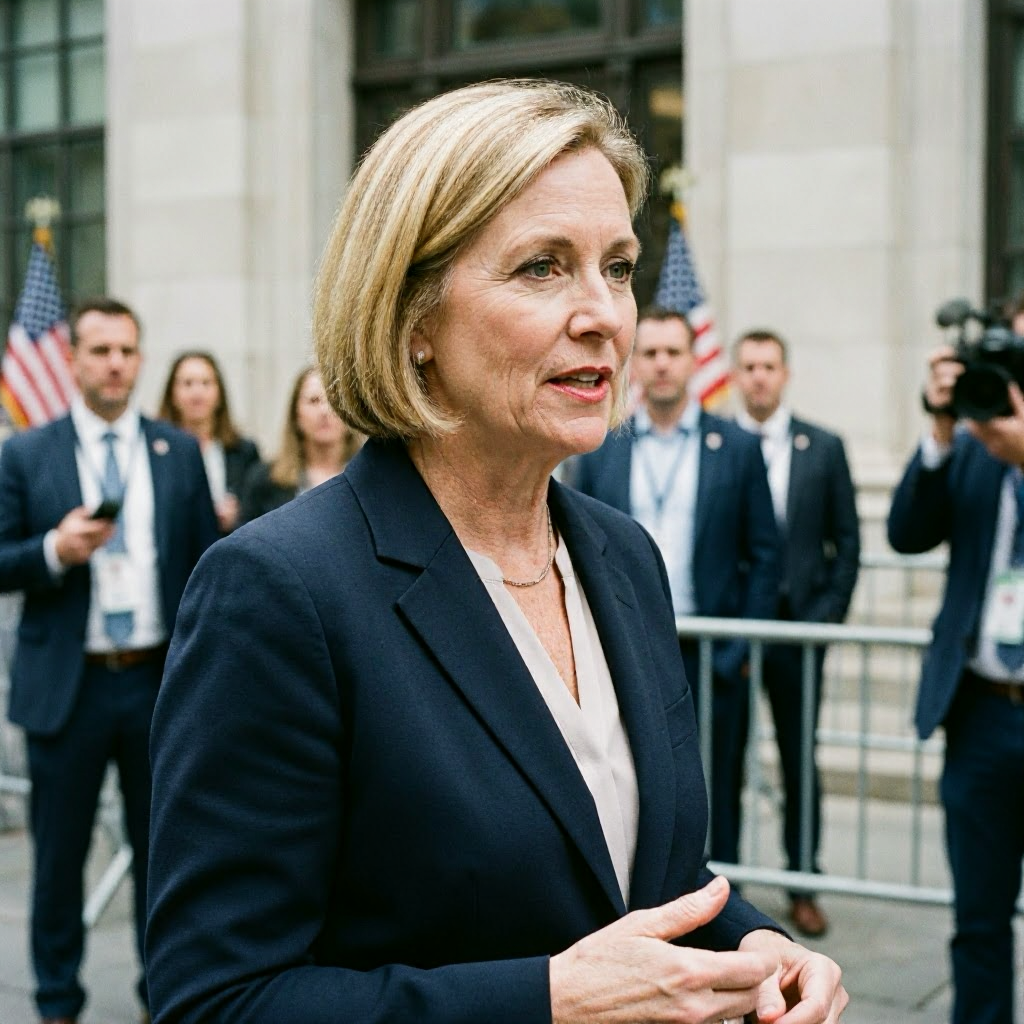
This July Fourth, as Americans celebrated their independence, underlying political tensions came to the forefront, particularly for the Democratic Party. Liz Peek, a political analyst, pointed out that the Democrats' staunch opposition to former President Donald Trump has created a significant policy vacuum. This has prompted a rise in radical leftist proposals, raising questions about the party's direction and its relationship with the American public.
Peek noted that the Democratic Party's current trajectory is being influenced heavily by a faction of democratic socialists who are pushing for extreme reforms. This includes proposals to abolish prisons and reimagine the criminal justice system. Such radical ideas may alienate moderate voters and those who identify with the 'silent majority'—a demographic that traditionally favors law and order.
The silent majority, a term popularized during previous political eras, refers to a significant group of Americans who often remain quiet about their political preferences but are crucial in elections. As Peek explains, the Democrats' focus on progressive policies risks losing the support of these individuals, who might not align with the party's increasingly leftist agenda.
July Fourth serves as a reminder of American values, with the holiday symbolizing unity and patriotism. However, the sharp divide in political ideologies suggests that many Americans are feeling disenfranchised. Peek argues that the disconnect between the Democratic leadership and the silent majority could have dire consequences in upcoming elections if not addressed.
Moreover, public sentiment appears to be shifting. Recent surveys indicate that a significant portion of the electorate is concerned about rising crime rates and the perceived lack of accountability in progressive policy initiatives. These issues resonate more with moderate and conservative voters, painting a troubling picture for Democrats who are often seen as leaning toward radical solutions.
In conclusion, the July Fourth festivities not only celebrated American independence but also highlighted the challenges facing the Democratic Party. As Peek warns, unless the party reassesses its strategies to engage the silent majority, it risks further alienating a crucial voter bloc that could determine future election outcomes.