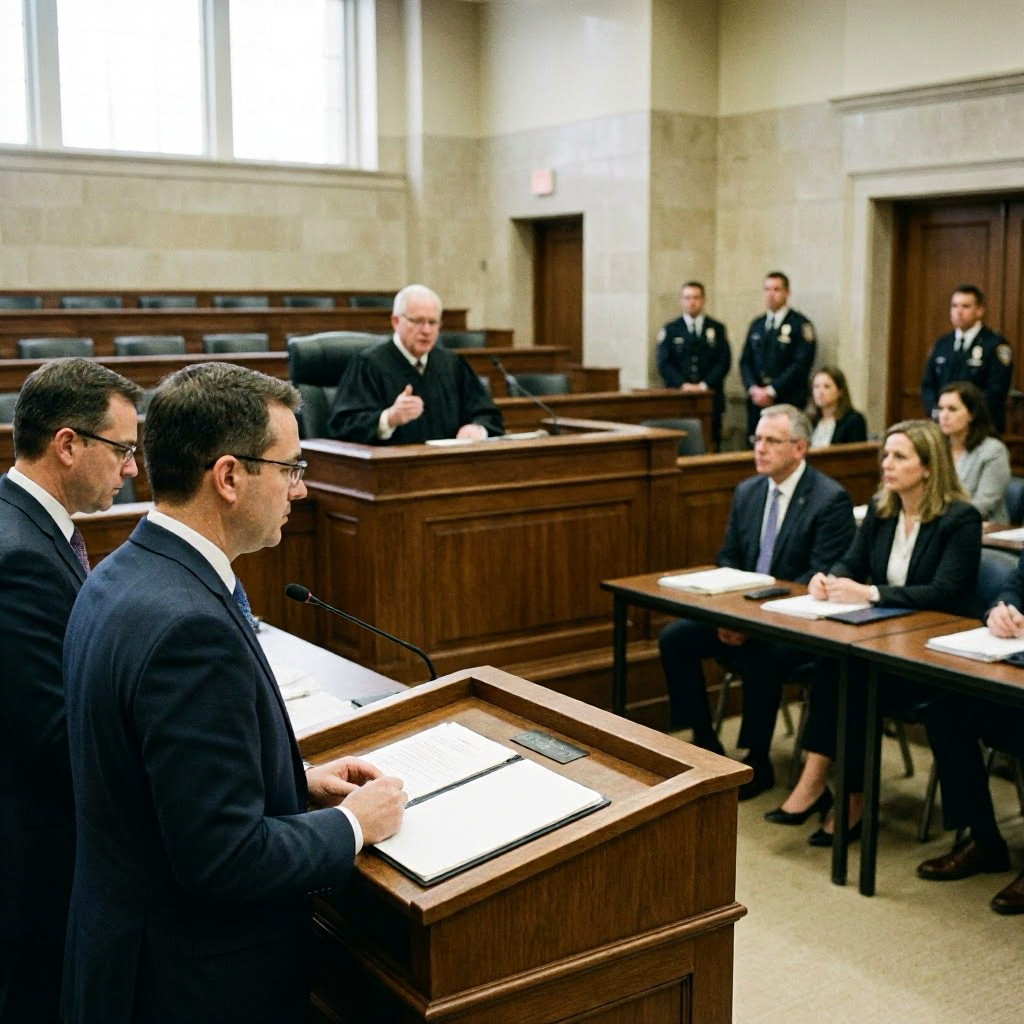
A significant legal development took place on Friday when a federal judge agreed to the Department of Justice's (DOJ) request to vacate the convictions of four members of the Proud Boys, a far-right group involved in the January 6 Capitol riot. U.S. District Judge Timothy J. Kelly, appointed by former President Donald Trump, ruled to dismiss the cases against Ethan Nordean, Joseph Biggs, Zachary Rehl, and Dominic Pezzola, with prejudice, thereby permanently closing the cases.
The judge's decision comes in the wake of widespread scrutiny and debate surrounding the January 6 insurrection and the subsequent legal ramifications for those involved. During his ruling, Judge Kelly noted that while the federal government has the authority to seek the dismissal of convictions, it also reflects an ongoing reassessment of the legal consequences stemming from the events of that day.
The cases against the Proud Boys were among the last of the high-profile prosecutions connected to the Capitol attack, which sought to overturn the results of the 2020 presidential election. The dismissed convictions had previously resulted from a federal jury finding the four members guilty of various charges related to their actions during the riot.
In recent months, discussions have intensified regarding the implications of mass pardons granted by Trump to certain individuals involved in the January 6 events. This ruling contributes to a growing trend where courts are reevaluating the prosecutorial approaches taken against rioters, echoing calls for a more nuanced understanding of their actions in the context of political unrest.
The DOJ's motion to dismiss these convictions reflects a strategic move to consolidate its approach to prosecuting those linked to the riot. Legal experts suggest that the decision could set a precedent for future cases, particularly as discussions about accountability and justice for participants in the insurrection continue to evolve.
As the nation grapples with the legacy of January 6, the dismissal of these convictions raises important questions about justice, accountability, and the broader implications of political actions in the United States. Observers will be watching closely to see how this ruling influences future legal proceedings regarding the Capitol riot and its participants.