politics
Israeli PMO Denies Allegations of Threats to Iranian Negotiators
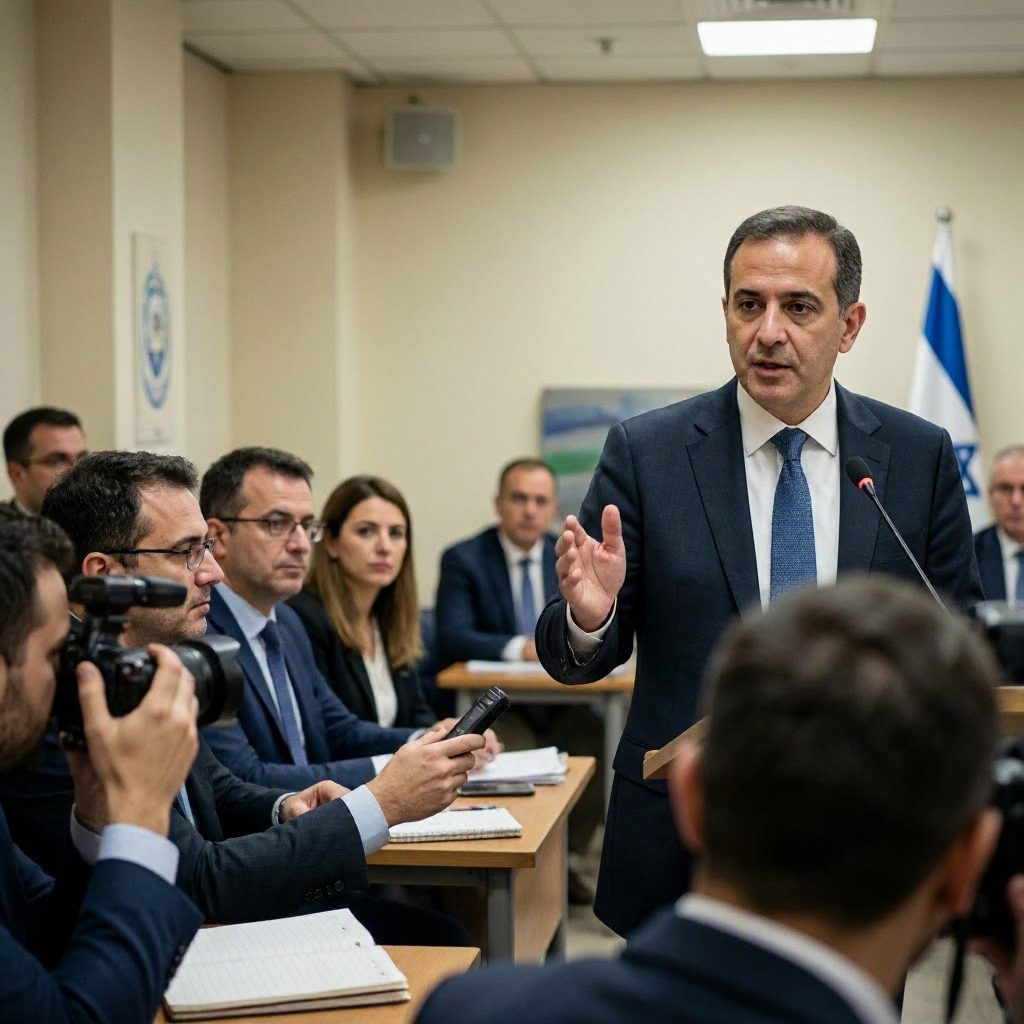
The Israeli Prime Minister's Office has rejected claims that Israeli officials targeted Iranian negotiators during U.S.-led talks. The PMO labeled the accusations as 'fake news,' criticizing a recent report by The New York Times.
Emily Rosen
July 04, 2026
02:38 PM
The Israeli Prime Minister's Office (PMO) has strongly dismissed a recent report that alleged a threat to senior Iranian negotiators during discussions in Islamabad earlier this year. In a statement issued on social media platform X, the PMO referred to the claims as 'fake news' and a 'complete fabrication of reality.' This response follows concerns raised by U.S. officials regarding Israel's potential actions toward Iranian diplomats.
The controversy began when The New York Times published a story suggesting that U.S. intelligence had detected possible threats from Israel aimed at senior Iranian negotiators involved in diplomatic discussions. This assertion quickly drew attention, leading to heightened scrutiny of Israel's role in the ongoing negotiations with Iran.
In its rebuttal, the Israeli PMO emphasized that such reports are part of a broader narrative aimed at discrediting Israel’s position in international diplomacy. The statement noted, 'As usual, The New York Times' latest story about Israel and the Iranian negotiators is fake news.' The PMO's reaction underscores its commitment to countering narratives it deems misleading.
The diplomatic relations between Iran and Israel have historically been tense, particularly concerning Iran's nuclear program and its regional influence. Israel has consistently voiced its opposition to any agreements that would allow Iran to advance its nuclear capabilities, insisting on stringent measures to ensure its national security.
Despite the PMO's firm rejection of the allegations, the incident highlights the ongoing complexities of international negotiations involving Iran. The tension between the U.S. and its allies, including Israel, continues to shape the discourse surrounding the Iranian nuclear deal and related diplomatic efforts.
As the situation evolves, analysts are watching closely to see how these developments may impact future negotiations. The insistence on the part of the Israeli government to refute such allegations may indicate deeper concerns about how narratives can influence international perceptions and diplomatic strategies.
इज़राइल के प्रधानमंत्री कार्यालय (पीएमओ) ने इस साल की शुरुआत में इस्लामाबाद में हुई चर्चाओं के दौरान वरिष्ठ ईरानी वार्ताकारों को कथित रूप से धमकी दिए जाने संबंधी एक हालिया रिपोर्ट को सख्ती से खारिज कर दिया है। सोशल मीडिया मंच ‘एक्स’ पर जारी बयान में पीएमओ ने इन दावों को ‘फेक न्यूज़’ और ‘हकीकत की पूरी तरह मनगढ़ंत तस्वीर’ करार दिया। यह प्रतिक्रिया उन चिंताओं के बाद आई है, जिनमें अमेरिकी अधिकारियों ने ईरानी राजनयिकों के प्रति इज़राइल की संभावित कार्रवाइयों को लेकर आशंका जताई थी।
विवाद तब शुरू हुआ जब द न्यूयॉर्क टाइम्स ने एक खबर प्रकाशित की, जिसमें कहा गया कि अमेरिकी खुफिया एजेंसियों ने राजनयिक बातचीत में शामिल वरिष्ठ ईरानी वार्ताकारों के खिलाफ इज़राइल की ओर से संभावित धमकियों के संकेत पकड़े हैं। इस दावे ने तेजी से ध्यान खींचा और ईरान के साथ जारी वार्ताओं में इज़राइल की भूमिका पर निगरानी बढ़ गई।
अपने खंडन में इज़राइली पीएमओ ने कहा कि ऐसी रिपोर्टें अंतरराष्ट्रीय कूटनीति में इज़राइल के रुख को बदनाम करने वाली व्यापक कथा का हिस्सा हैं। बयान में कहा गया, “हमेशा की तरह, द न्यूयॉर्क टाइम्स की इज़राइल और ईरानी वार्ताकारों पर ताज़ा कहानी फेक न्यूज़ है।” पीएमओ की प्रतिक्रिया से संकेत मिलता है कि वह जिन कथाओं को भ्रामक मानता है, उनके खिलाफ खुलकर जवाब देने के लिए प्रतिबद्ध है।
ईरान और इज़राइल के बीच कूटनीतिक संबंध ऐतिहासिक रूप से तनावपूर्ण रहे हैं, खासकर ईरान के परमाणु कार्यक्रम और क्षेत्रीय प्रभाव को लेकर। इज़राइल लगातार ऐसे किसी भी समझौते का विरोध करता रहा है, जिससे ईरान अपनी परमाणु क्षमताओं को आगे बढ़ा सके, और राष्ट्रीय सुरक्षा सुनिश्चित करने के लिए कड़े प्रावधानों पर जोर देता है।
हालांकि पीएमओ ने आरोपों को दृढ़ता से नकार दिया है, लेकिन यह प्रकरण ईरान से जुड़ी अंतरराष्ट्रीय वार्ताओं की जटिलताओं को रेखांकित करता है। अमेरिका और उसके सहयोगियों, जिनमें इज़राइल भी शामिल है, के बीच तनाव ईरानी परमाणु समझौते और उससे जुड़ी कूटनीतिक कोशिशों पर होने वाली बहस को लगातार प्रभावित करता रहा है।
स्थिति के आगे बढ़ने के साथ विश्लेषक इस पर करीबी नजर रखे हुए हैं कि ये घटनाक्रम भविष्य की वार्ताओं को किस तरह प्रभावित कर सकते हैं। इज़राइली सरकार का ऐसे आरोपों को सिरे से खारिज करना इस बात का संकेत भी हो सकता है कि अंतरराष्ट्रीय धारणा और कूटनीतिक रणनीतियों पर कथानकों के असर को लेकर उसकी चिंताएं गहरी हैं।