World
Iran's Envoy Promises Special Hormuz Fee Treatment for Friendly Nations
Iran's ambassador to China announced that new transit fees for the Strait of Hormuz will be introduced, but friendly nations will receive preferential treatment. This comes amidst ongoing tensions with the U.S. and discussions on maritime navigation agreements.
Emma Johnson
July 05, 2026
11:26 PM
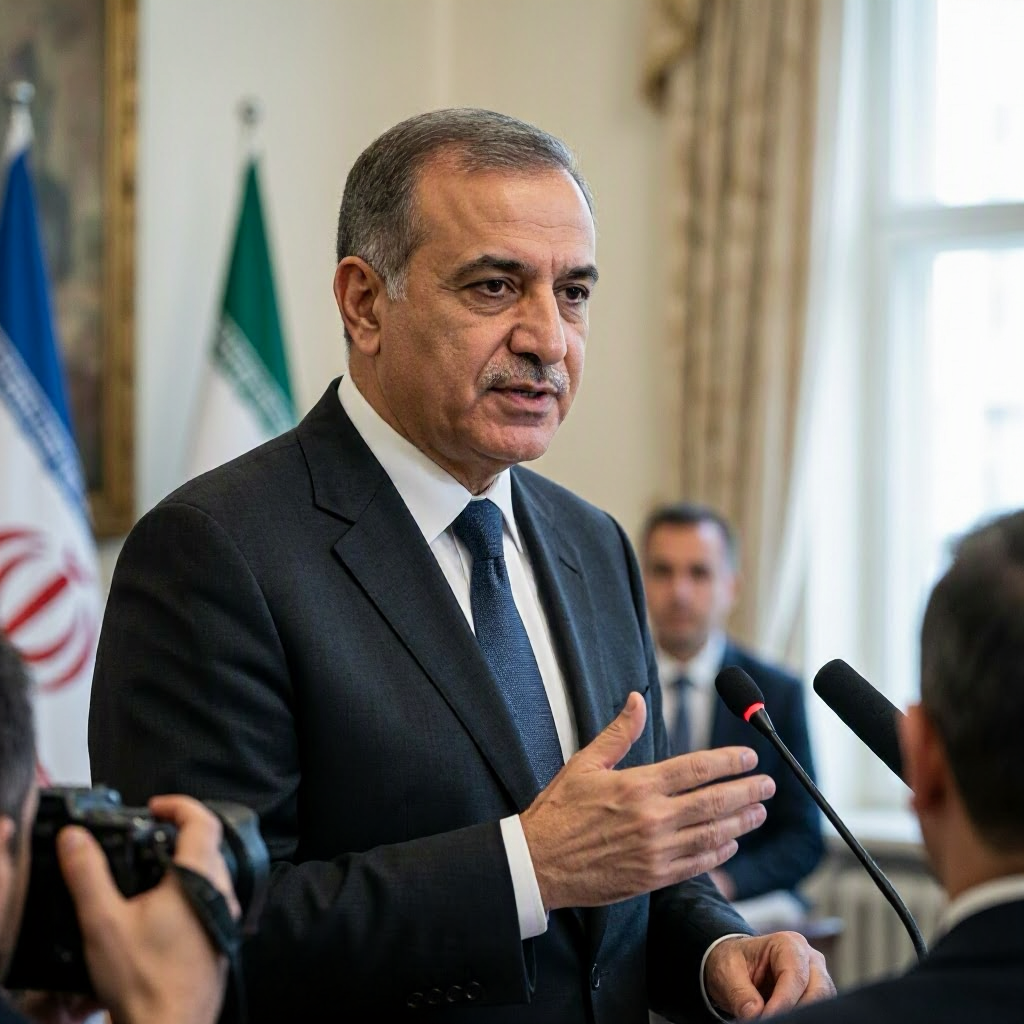
BEIJING – In a recent statement, Iran's ambassador to China, Abdolreza Rahmani Fazli, revealed that upcoming fees for ships transiting the strategically significant Strait of Hormuz will be implemented. However, he assured that nations considered 'friendly' to Iran will benefit from special treatment regarding these charges.
The declaration was made during the World Peace Forum, where Fazli emphasized that Iran is striving for cooperation and collaboration with its allies. He stated, "While we will be introducing fees for maritime transit through Hormuz, our friends will see more favorable conditions, reflecting our commitment to strengthening ties with those who support us."
This announcement follows a previous agreement between Iran and the United States, which temporarily allowed commercial ships to cross the strait free of charge for an initial period of 60 days. As this grace period nears its conclusion, details surrounding the new fee structure remain vague, leading to speculation about the implications for global shipping routes.
The Strait of Hormuz is a critical conduit for oil and gas shipments, with approximately 20% of the world's oil passing through its waters. Any disruption in transit fees or regulations could have significant ramifications for global energy markets, raising concerns among international stakeholders.
Fazli's remarks come at a time when tensions between Iran and the U.S. are high, particularly concerning military presence and shipping security in the region. Washington has dismissed the notion of new fees, viewing them as a potential barrier to free navigation, an essential principle for international maritime law.
As Iran navigates its diplomatic relations, the envoy's comments highlight its strategy to foster alliances and support among nations that align with its geopolitical interests. Observers will be closely monitoring how these fee structures evolve and whether they will affect trade dynamics in the region.
बीजिंग – हालिया बयान में चीन में ईरान के राजदूत अब्दोलरेज़ा रहमानी फ़ज़ली ने कहा कि रणनीतिक रूप से अहम होर्मुज़ जलडमरूमध्य से गुजरने वाले जहाजों पर जल्द ही नए शुल्क लागू किए जाएंगे। हालांकि उन्होंने भरोसा दिलाया कि ईरान के ‘मित्र’ माने जाने वाले देशों को इन शुल्कों के मामले में विशेष रियायत दी जाएगी।
यह घोषणा वर्ल्ड पीस फ़ोरम के दौरान की गई, जहां फ़ज़ली ने जोर देकर कहा कि ईरान अपने सहयोगियों के साथ सहयोग और समन्वय बढ़ाने की दिशा में काम कर रहा है। उन्होंने कहा, “हम होर्मुज़ से समुद्री पारगमन पर शुल्क लागू करेंगे, लेकिन हमारे मित्रों के लिए शर्तें अधिक अनुकूल होंगी—यह उन देशों के साथ रिश्ते मजबूत करने की हमारी प्रतिबद्धता को दर्शाता है जो हमारा समर्थन करते हैं।”
यह बयान ईरान और अमेरिका के बीच हुए एक पूर्व समझौते के बाद आया है, जिसके तहत शुरुआती 60 दिनों के लिए वाणिज्यिक जहाजों को बिना शुल्क जलडमरूमध्य पार करने की अस्थायी अनुमति दी गई थी। यह रियायती अवधि समाप्ति के करीब है, लेकिन नए शुल्क ढांचे का स्वरूप अभी स्पष्ट नहीं है, जिससे वैश्विक शिपिंग मार्गों पर इसके असर को लेकर अटकलें तेज हो गई हैं।
होर्मुज़ जलडमरूमध्य तेल और गैस की ढुलाई के लिए बेहद अहम मार्ग है और दुनिया के लगभग 20% तेल का परिवहन इसी रास्ते से होता है। पारगमन शुल्क या नियमों में किसी भी बदलाव का वैश्विक ऊर्जा बाजारों पर बड़ा असर पड़ सकता है, जिससे अंतरराष्ट्रीय हितधारकों की चिंताएं बढ़ गई हैं।
फ़ज़ली की टिप्पणी ऐसे समय आई है जब ईरान और अमेरिका के बीच तनाव ऊंचा है, खासकर क्षेत्र में सैन्य मौजूदगी और शिपिंग सुरक्षा को लेकर। वॉशिंगटन ने नए शुल्क की अवधारणा को खारिज करते हुए इसे मुक्त नौवहन में संभावित बाधा बताया है, जिसे अंतरराष्ट्रीय समुद्री कानून का एक अहम सिद्धांत माना जाता है।
कूटनीतिक समीकरणों के बीच ईरानी दूत के बयान से संकेत मिलता है कि तेहरान उन देशों के साथ गठजोड़ और समर्थन मजबूत करने की रणनीति अपना रहा है जो उसके भू-राजनीतिक हितों के अनुरूप हैं। पर्यवेक्षक अब इस बात पर नजर रखेंगे कि शुल्क व्यवस्था किस तरह विकसित होती है और क्या इससे क्षेत्रीय व्यापार की गतिशीलता प्रभावित होती है।