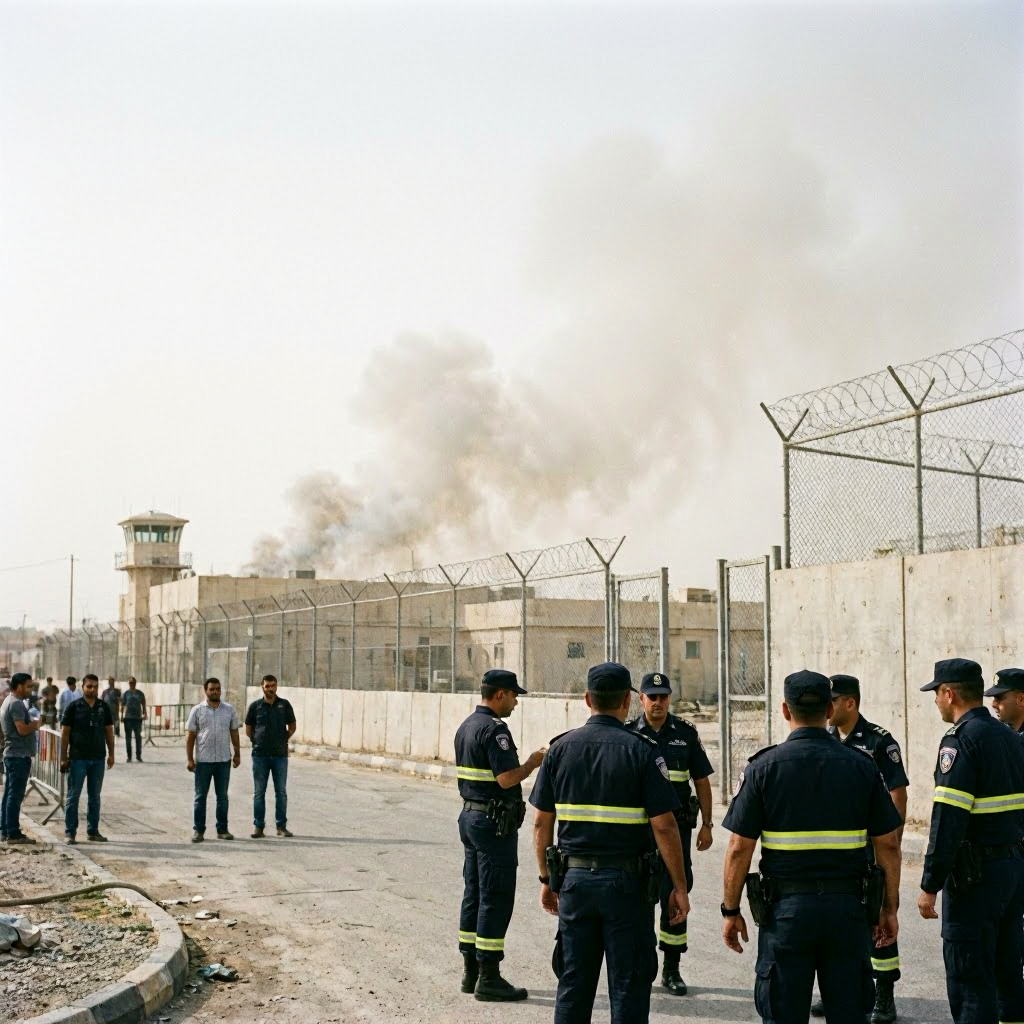
In a dramatic escalation of regional hostilities, Iran has claimed responsibility for a coordinated missile and drone assault on military sites in Bahrain and Kuwait. This aggressive move by the Islamic Revolutionary Guard Corps (IRGC) follows a wave of airstrikes conducted by US forces, signaling a further deterioration of the already precarious cease-fire agreement.
The IRGC stated that the operation was a direct response to the recent US strikes, which targeted Iranian interests and allied forces in the region. Commanders from the IRGC emphasized that their actions are intended to demonstrate Iran's capability and resolve to defend its sovereignty and protect its allies, amid increasing pressure from the United States.
Bahraini and Kuwaiti military authorities have reported damage to several installations, although specific details regarding casualties have yet to be disclosed. Both countries are closely allied with the US, making them strategic targets in the ongoing conflict. The escalation has raised concerns about the potential for wider military engagement in the Gulf region.
Regional analysts suggest that this latest episode may undermine diplomatic efforts aimed at stabilizing the situation. “The IRGC's bold move could provoke a stronger US response,” said Dr. Maya Al-Zahrani, a Middle East expert. “It highlights the complexities of the geopolitical landscape in which both local and foreign powers are vying for influence.”
In response to the strikes, US officials condemned Iran’s actions, reiterating their commitment to protect allied forces and maintain freedom of navigation in the Gulf. A spokesperson for the Pentagon indicated that the US military is closely monitoring the situation and remains prepared to take necessary actions to safeguard its interests and allies in the region.
The latest developments come amid ongoing discussions about a potential cease-fire and peace negotiations, which appear to be increasingly fragile in light of these recent hostilities. Observers fear that unless diplomatic channels are reinforced, the region could face a new cycle of violence that would further destabilize an already volatile landscape.