World
Iran Issues Warning to Oil Tankers in Strait of Hormuz Amid Rising Tensions
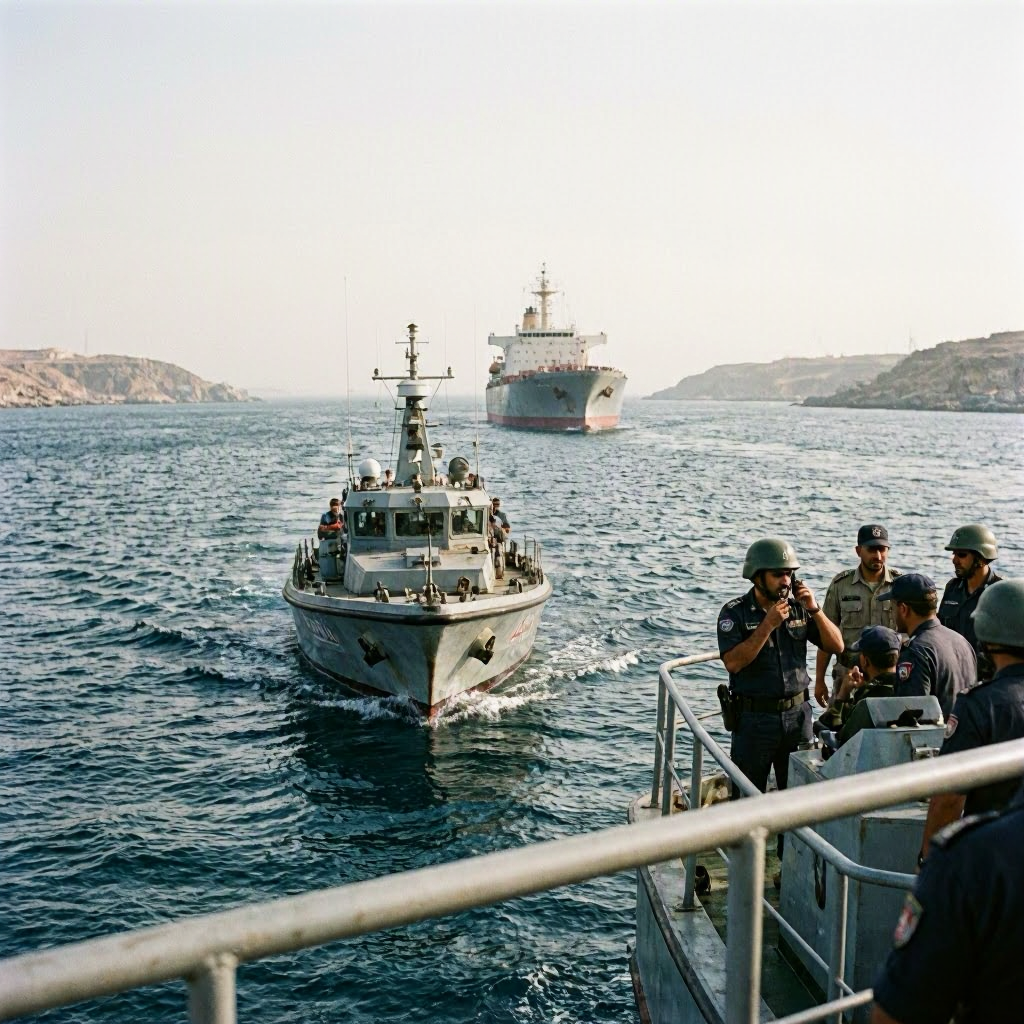
Iran's military command has warned that oil tankers must adhere to designated routes in the Strait of Hormuz or face a 'forceful response.' This development escalates ongoing tensions in a region critical for global energy supply.
Sofia Karim
July 04, 2026
06:43 PM
In a significant escalation of regional tensions, Iran's joint military command issued a stern warning on July 2, 2026, instructing all oil tankers traversing the Strait of Hormuz to strictly follow approved maritime routes. Failure to comply could result in a 'forceful response' from Iranian forces, highlighting the precarious nature of this vital waterway.
The Strait of Hormuz, a narrow passage linking the Persian Gulf to the Arabian Sea, is a crucial transit point for a substantial portion of the world's oil supply. The Iranian warning comes amid ongoing conflicts and negotiations related to the Iran war, underscoring the strait's significance in international energy security.
Military analysts suggest that Iran's warning reflects its desire to assert control over the strait, particularly in light of heightened tensions with Western nations and regional adversaries. The military's statement was a direct reminder of Iran's influence in a geopolitical landscape that is increasingly fraught with challenges.
Iran's Supreme Leader, Mojataba Khamenei, did not attend a recent funeral, drawing public speculation regarding his wellbeing and potential implications for Iran's leadership amidst the ongoing conflict. His absence raises questions about the future direction of Iran's military and foreign policy, particularly concerning strategic waterways.
As diplomatic efforts continue to seek a resolution to the Iran war, the Strait of Hormuz remains a focal point for negotiations. With the global energy market's stability hanging in the balance, stakeholders are watching closely to see how these developments will unfold.
Industry experts warn that any disruptions in the strait could have significant ramifications for oil prices globally, affecting markets already sensitive to geopolitical uncertainties. As tensions mount, the situation in the Strait of Hormuz is expected to remain a critical issue for both regional and international leaders.
क्षेत्रीय तनाव में उल्लेखनीय बढ़ोतरी के बीच ईरान के संयुक्त सैन्य कमान ने 2 जुलाई, 2026 को कड़ा संदेश जारी करते हुए होर्मुज़ जलडमरूमध्य से गुजरने वाले सभी तेल टैंकरों को निर्देश दिया कि वे स्वीकृत समुद्री मार्गों का सख्ती से पालन करें। आदेश की अनदेखी करने पर ईरानी बलों की ओर से ‘कड़ा जवाब’ दिए जाने की चेतावनी दी गई है, जिससे इस अहम जलमार्ग की नाजुक स्थिति और उजागर होती है।
फारस की खाड़ी को अरब सागर से जोड़ने वाला होर्मुज़ जलडमरूमध्य एक संकरा लेकिन अत्यंत महत्वपूर्ण मार्ग है, जहां से दुनिया के तेल आपूर्ति का बड़ा हिस्सा गुजरता है। ईरान की यह चेतावनी ईरान युद्ध से जुड़े जारी संघर्ष और वार्ताओं के बीच आई है, जो अंतरराष्ट्रीय ऊर्जा सुरक्षा में इस जलडमरूमध्य की भूमिका को रेखांकित करती है।
सैन्य विश्लेषकों का कहना है कि यह चेतावनी जलडमरूमध्य पर अपना प्रभाव और नियंत्रण जताने की ईरान की कोशिश को दर्शाती है, खासकर पश्चिमी देशों और क्षेत्रीय प्रतिद्वंद्वियों के साथ बढ़े तनाव के संदर्भ में। सैन्य बयान को बदलते और चुनौतीपूर्ण भू-राजनीतिक परिदृश्य में ईरान की पकड़ का सीधा संकेत माना जा रहा है।
इस बीच ईरान के सर्वोच्च नेता मोजतबा खामेनेई हाल ही में एक अंतिम संस्कार में शामिल नहीं हुए, जिससे उनके स्वास्थ्य को लेकर सार्वजनिक अटकलें तेज हो गईं और जारी संघर्ष के बीच नेतृत्व पर संभावित असर को लेकर चर्चा शुरू हो गई। उनकी अनुपस्थिति ने ईरान की सैन्य और विदेश नीति की आगे की दिशा, खासकर रणनीतिक जलमार्गों को लेकर, नए सवाल खड़े किए हैं।
ईरान युद्ध के समाधान के लिए कूटनीतिक प्रयास जारी रहने के साथ ही होर्मुज़ जलडमरूमध्य बातचीत का प्रमुख केंद्र बना हुआ है। वैश्विक ऊर्जा बाजार की स्थिरता दांव पर होने के कारण संबंधित पक्षों की नजर इस पर टिकी है कि आगे हालात किस दिशा में जाते हैं।
उद्योग विशेषज्ञों ने चेताया है कि जलडमरूमध्य में किसी भी तरह की बाधा वैश्विक स्तर पर तेल कीमतों पर बड़ा असर डाल सकती है, खासकर ऐसे समय में जब बाजार पहले से ही भू-राजनीतिक अनिश्चितताओं के प्रति संवेदनशील हैं। तनाव बढ़ने के साथ होर्मुज़ जलडमरूमध्य की स्थिति क्षेत्रीय और अंतरराष्ट्रीय नेतृत्व के लिए एक अहम मुद्दा बनी रहने की संभावना है।