politics
Iran Allegedly Coerces Citizens to Attend Khamenei's Funeral
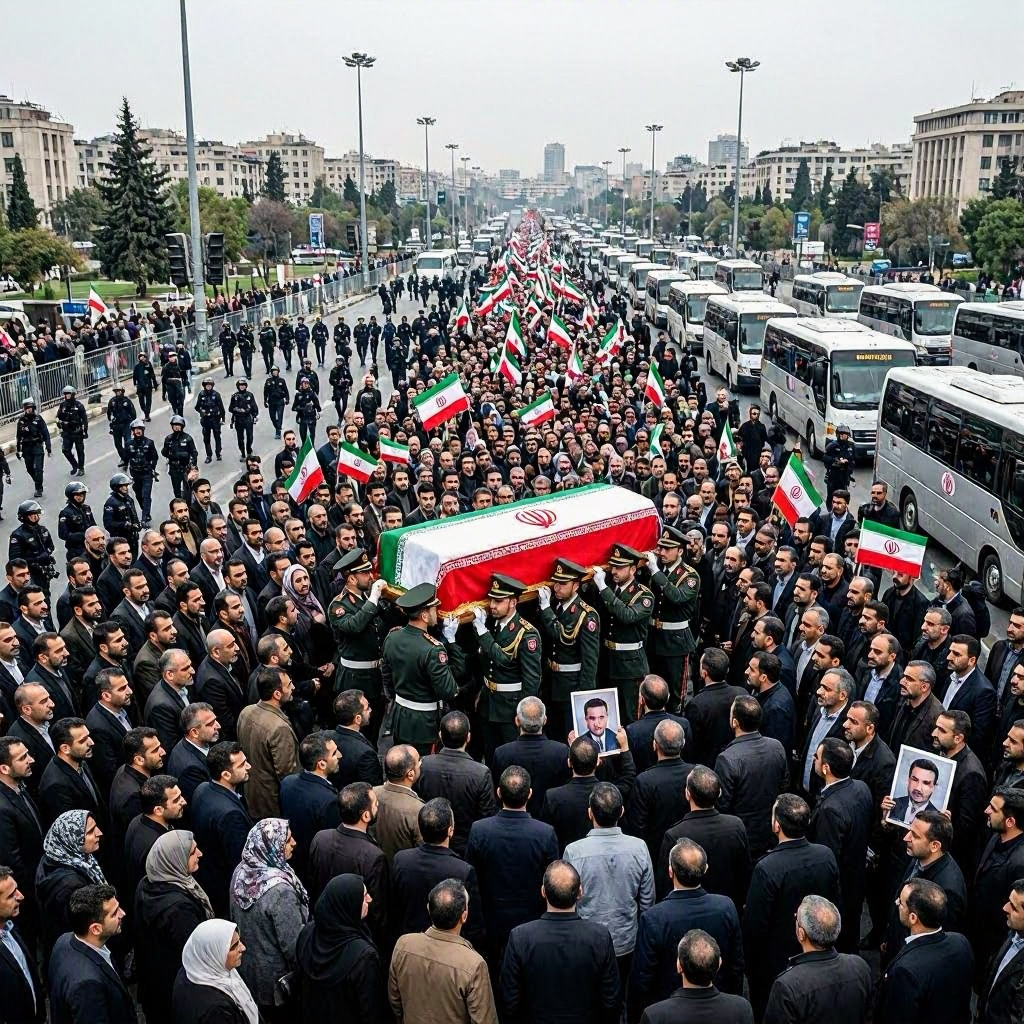
Reports suggest that Iranian authorities are pressuring citizens to participate in the funeral of Supreme Leader Ayatollah Ali Khamenei. Allegations of workplace directives and business closures have surfaced amid the mourning period, raising concerns about the legitimacy of public attendance.
Sarah Johnson
July 04, 2026
01:41 PM
As Iran prepares to bid farewell to its late Supreme Leader Ayatollah Ali Khamenei, alarming reports have surfaced indicating that state authorities may be coercing citizens to participate in the funeral ceremonies. According to Iran International, various letters from state-linked institutions reveal a systematic effort to ensure large crowds at the event.
Eyewitness accounts highlight a campaign of pressure aimed at workers and businesses, including directives that reportedly require employees to attend the funeral. One individual shared a message from the real estate union, which explicitly stated that their offices would remain closed during the funeral days, with attendance to the ceremonies being mandatory.
This phenomenon of forced attendance raises significant questions about the authenticity of the public displays of grief and loyalty to Khamenei. Observers note that such practices are not unprecedented in the Iranian political landscape, where state influence often extends into the personal choices of citizens.
In the days leading up to the funeral, reports indicated that many businesses were compelled to shut their doors, creating logistical challenges for those who might wish to avoid participation. These actions appear to be part of a broader effort by the Iranian authorities to project an image of unity and support for the regime during a time of transition.
The allegations have drawn international attention, with human rights advocates calling for scrutiny of the Iranian government's methods. Critics argue that the coercive tactics employed undermine the very fabric of public mourning, making it difficult to discern genuine sorrow from state-mandated attendance.
As the nation mourns the loss of Khamenei, who led Iran for over three decades, the implications of these reports could resonate beyond the immediate funeral proceedings. The perception of a manipulated public sentiment could impact the regime’s legitimacy as it navigates the future without its longstanding leader.
ईरान अपने दिवंगत सर्वोच्च नेता अयातुल्ला अली खामेनेई को अंतिम विदाई देने की तैयारी कर रहा है, इसी बीच चिंताजनक रिपोर्टें सामने आई हैं कि सरकारी तंत्र अंतिम संस्कार समारोहों में नागरिकों को शामिल होने के लिए मजबूर कर सकता है। ‘ईरान इंटरनेशनल’ के अनुसार, राज्य से जुड़े संस्थानों के विभिन्न पत्रों से संकेत मिलता है कि कार्यक्रम में बड़ी भीड़ जुटाने के लिए एक व्यवस्थित प्रयास किया जा रहा है।
प्रत्यक्षदर्शियों के बयानों में कर्मचारियों और कारोबारियों पर दबाव की मुहिम का जिक्र है, जिसमें कथित तौर पर ऐसे निर्देश शामिल हैं जिनके तहत कर्मचारियों को अंतिम संस्कार में उपस्थित होना अनिवार्य किया गया। एक व्यक्ति ने रियल एस्टेट यूनियन का संदेश साझा किया, जिसमें स्पष्ट लिखा था कि अंतिम संस्कार के दिनों में उनके कार्यालय बंद रहेंगे और समारोहों में उपस्थिति अनिवार्य होगी।
जबरन उपस्थिति की यह प्रवृत्ति खामेनेई के प्रति शोक और निष्ठा के सार्वजनिक प्रदर्शन की प्रामाणिकता पर गंभीर सवाल खड़े करती है। पर्यवेक्षकों का कहना है कि ईरान के राजनीतिक परिदृश्य में ऐसी प्रथाएं नई नहीं हैं, जहां राज्य का प्रभाव अक्सर नागरिकों के निजी निर्णयों तक फैल जाता है।
अंतिम संस्कार से पहले के दिनों में यह भी रिपोर्ट किया गया कि कई व्यवसायों को दुकानें बंद करने के लिए बाध्य किया गया, जिससे उन लोगों के लिए व्यावहारिक मुश्किलें पैदा हुईं जो भागीदारी से बचना चाहते हों। ये कदम संक्रमण के दौर में शासन के लिए एकजुटता और समर्थन की छवि पेश करने की व्यापक कोशिश का हिस्सा प्रतीत होते हैं।
इन आरोपों ने अंतरराष्ट्रीय स्तर पर भी ध्यान खींचा है। मानवाधिकार समर्थकों ने ईरानी सरकार के तरीकों की जांच की मांग की है। आलोचकों का तर्क है कि दबाव की ये रणनीतियां सार्वजनिक शोक की मूल भावना को कमजोर करती हैं और वास्तविक दुख को राज्य-निर्देशित उपस्थिति से अलग कर पाना मुश्किल बना देती हैं।
तीन दशकों से अधिक समय तक ईरान का नेतृत्व करने वाले खामेनेई के निधन पर देश शोक में है, लेकिन इन रिपोर्टों के निहितार्थ अंतिम संस्कार की औपचारिकताओं से आगे तक जा सकते हैं। जनभावना के ‘प्रबंधित’ होने की धारणा, लंबे समय से नेतृत्व कर रहे नेता के बिना भविष्य की राह तय कर रहे शासन की वैधता पर असर डाल सकती है।