World
Iran Launches Attacks on Kuwait and Bahrain Following US Military Strikes
In a dramatic escalation of tensions in the Gulf region, Iran has launched attacks on Kuwait and Bahrain in retaliation for recent US military actions. The Iranian government claims these strikes are a necessary response to protect its sovereignty and deter further aggression.
James Thompson
June 28, 2026
01:44 PM
In a significant escalation of regional tensions, Iran has conducted military strikes against Kuwait and Bahrain in response to recent United States military actions in the Gulf. The Iranian government characterized these attacks as a direct retaliation for what they describe as violations of their sovereignty.
The Iranian Revolutionary Guard Corps (IRGC) issued a statement following the attacks, asserting, "We will not allow our national security to be compromised. The actions taken today serve as a warning to those who think they can threaten Iran with impunity." This statement reflects the heightened tensions between Iran and the US, particularly since President Biden's administration has ramped up military support for Gulf allies.
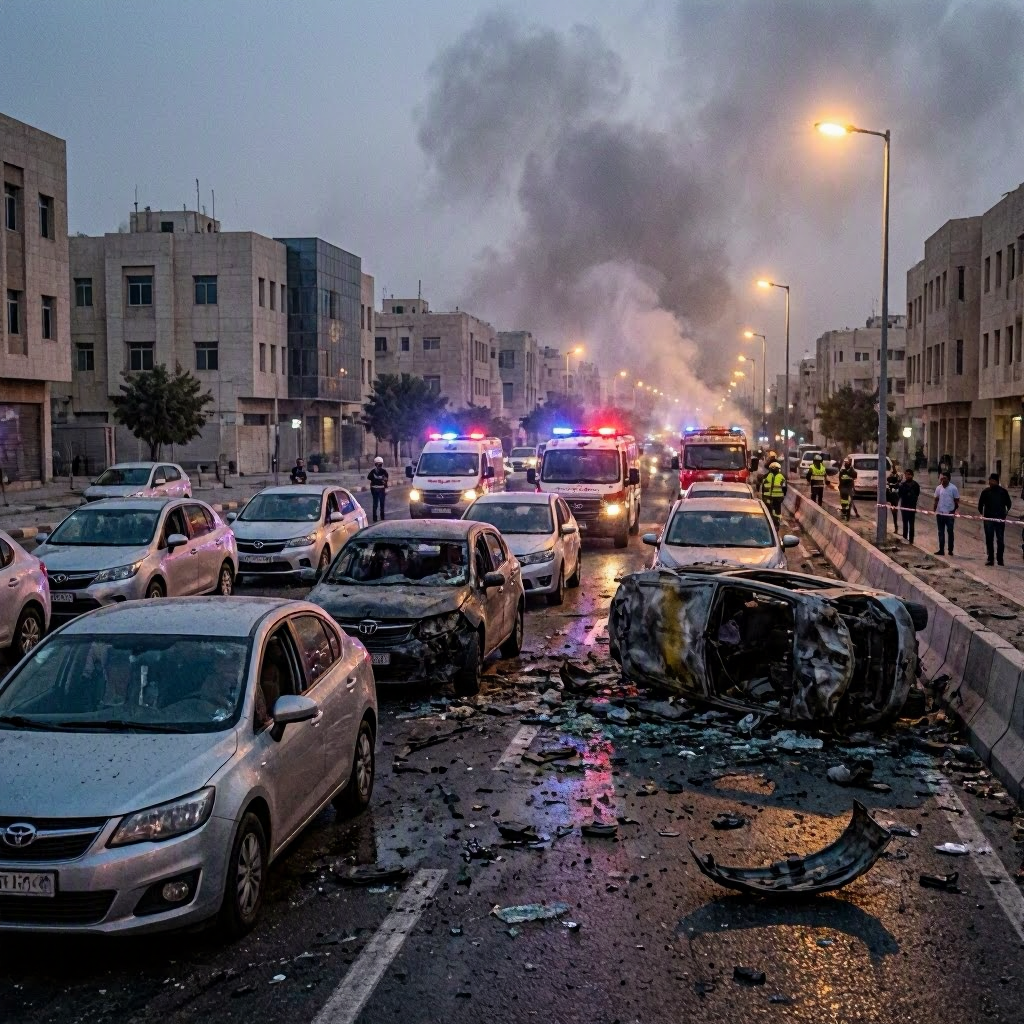
Casualty reports from Bahrain indicate that several military and civilian structures have been damaged, with at least a dozen individuals injured. Kuwait's military has also reported minor damage to its infrastructure. The governments of both countries condemned the attacks, with Kuwait's Ministry of Defense stating, "We will not tolerate aggression against our territory and will take all necessary measures to protect our citizens."
The US has responded swiftly to these developments, with Pentagon officials confirming an increase in military readiness in the region. A spokesperson stated, "The United States stands firm in its commitment to defend its allies and deter Iranian aggression. We are closely monitoring the situation and are prepared to take action if necessary."
Diplomatic analysts warn that this cycle of retaliation could spiral into a larger conflict. Dr. Fatima Al-Mansouri, a Middle East policy expert, commented, "The trajectory of these events suggests that unless diplomatic solutions are explored, the situation could escalate beyond control. The international community needs to intervene to prevent further bloodshed."
Meanwhile, regional leaders are convening for an emergency summit to address the escalating violence and discuss potential collective security measures. The Gulf Cooperation Council (GCC) has called for a united front against aggression and reiterated the importance of dialogue to resolve disputes.
The attacks come amid ongoing tensions surrounding Iran's nuclear program and its perceived threat to regional stability. As the situation evolves, many are left wondering whether further military actions will follow, and what impact this will have on the fragile peace in the region.
क्षेत्रीय तनाव में बड़े उछाल के बीच ईरान ने खाड़ी में हालिया अमेरिकी सैन्य कार्रवाई के जवाब में कुवैत और बहरीन पर सैन्य हमले किए हैं। ईरानी सरकार ने इन हमलों को अपनी संप्रभुता के कथित उल्लंघन के खिलाफ सीधी जवाबी कार्रवाई बताया है।
हमलों के बाद ईरानी रिवोल्यूशनरी गार्ड कॉर्प्स (आईआरजीसी) ने बयान जारी कर कहा, "हम अपनी राष्ट्रीय सुरक्षा से समझौता नहीं होने देंगे। आज की कार्रवाई उन लोगों के लिए चेतावनी है जो सोचते हैं कि वे बिना किसी कीमत के ईरान को धमका सकते हैं।" यह बयान ईरान और अमेरिका के बीच बढ़ते तनाव को दर्शाता है, खासकर तब जब राष्ट्रपति जो बाइडेन के प्रशासन ने खाड़ी सहयोगी देशों के लिए सैन्य समर्थन बढ़ाया है।
बहरीन से मिली शुरुआती रिपोर्टों के अनुसार कई सैन्य और नागरिक ढांचों को नुकसान पहुंचा है और कम से कम एक दर्जन लोग घायल हुए हैं। कुवैत की सेना ने भी अपने बुनियादी ढांचे को मामूली क्षति होने की जानकारी दी है। दोनों देशों की सरकारों ने हमलों की निंदा की। कुवैत के रक्षा मंत्रालय ने कहा, "हम अपने क्षेत्र पर आक्रामकता बर्दाश्त नहीं करेंगे और अपने नागरिकों की सुरक्षा के लिए सभी आवश्यक कदम उठाएंगे।"
इन घटनाक्रमों पर अमेरिका ने तेजी से प्रतिक्रिया दी है। पेंटागन अधिकारियों ने क्षेत्र में सैन्य तैयारियों का स्तर बढ़ाने की पुष्टि की। एक प्रवक्ता ने कहा, "संयुक्त राज्य अमेरिका अपने सहयोगियों की रक्षा और ईरानी आक्रामकता को रोकने की प्रतिबद्धता पर अडिग है। हम स्थिति पर करीबी नजर रख रहे हैं और जरूरत पड़ने पर कार्रवाई के लिए तैयार हैं।"
राजनयिक विश्लेषकों ने चेतावनी दी है कि जवाबी कार्रवाइयों का यह सिलसिला बड़े संघर्ष में बदल सकता है। मध्य पूर्व नीति विशेषज्ञ डॉ. फातिमा अल-मंसूरी ने कहा, "घटनाओं की दिशा बताती है कि यदि कूटनीतिक समाधान नहीं तलाशे गए, तो स्थिति नियंत्रण से बाहर जा सकती है। अंतरराष्ट्रीय समुदाय को आगे आकर और रक्तपात रोकने के लिए हस्तक्षेप करना चाहिए।"
इस बीच, क्षेत्रीय नेता बढ़ती हिंसा पर चर्चा करने और संभावित सामूहिक सुरक्षा उपायों पर विचार के लिए आपात शिखर बैठक बुला रहे हैं। खाड़ी सहयोग परिषद (जीसीसी) ने आक्रामकता के खिलाफ एकजुट रुख अपनाने का आह्वान किया है और विवादों के समाधान के लिए संवाद के महत्व को दोहराया है।
ये हमले ऐसे समय में हुए हैं जब ईरान के परमाणु कार्यक्रम और क्षेत्रीय स्थिरता के लिए उसके कथित खतरे को लेकर तनाव पहले से बना हुआ है। हालात बदलते रहने के बीच यह सवाल भी उठ रहा है कि क्या आगे और सैन्य कार्रवाई होगी और इसका क्षेत्र की नाजुक शांति पर क्या असर पड़ेगा।