Business
Indian Potash Ltd and UPL Partner to Enhance Sugarcane Farming in Gujarat
Indian Potash Ltd has joined forces with UPL Ltd to improve sugarcane yields around its Kodinar Sugar Mill in Gujarat. This three-year initiative focuses on sustainable farming techniques and advanced resource management across 2,000 acres.
Rajesh Patel
July 04, 2026
09:17 PM
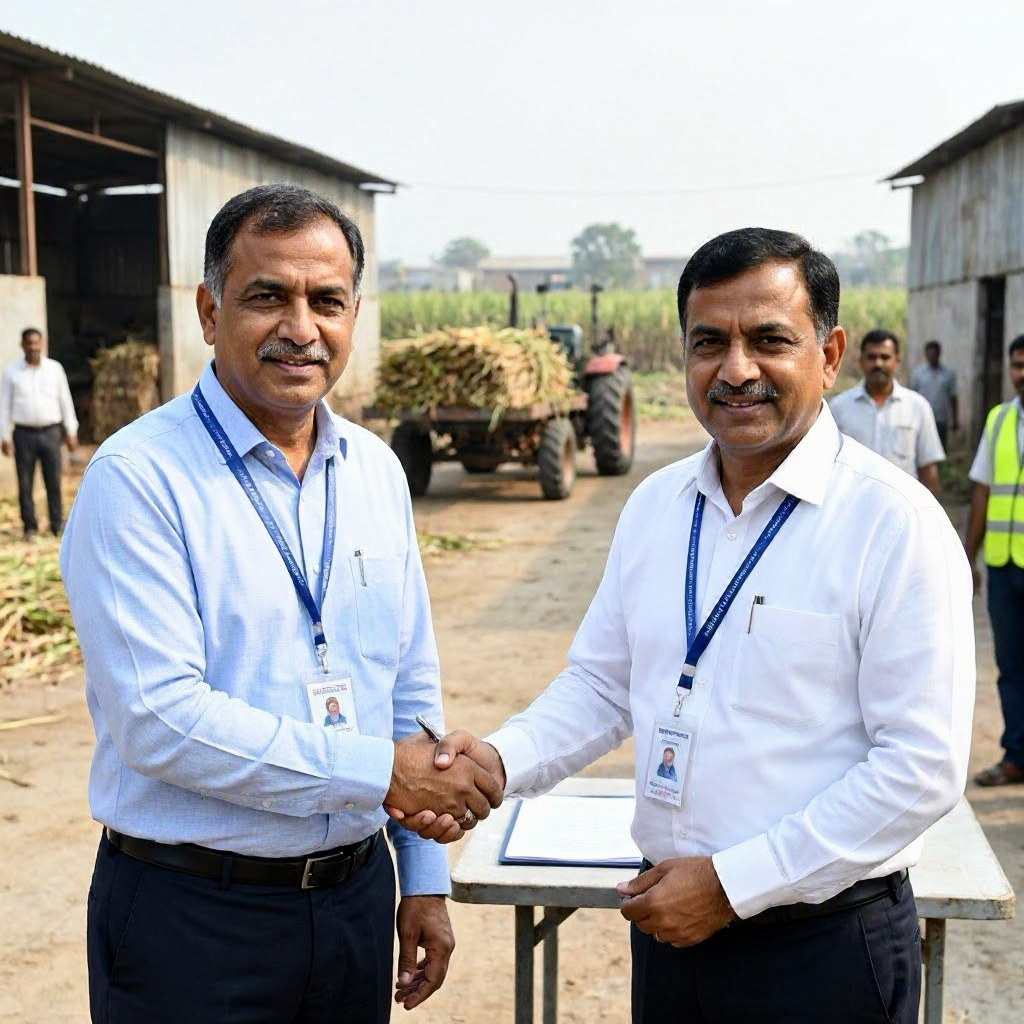
In a significant move aimed at boosting agricultural productivity, Indian Potash Ltd has announced a strategic partnership with UPL Ltd, a prominent player in agribusiness. This collaboration is set to enhance sugarcane yields around the Kodinar Sugar Mill in Gujarat over the next three years.
The initiative will cover approximately 2,000 acres of farmland, where the two companies will implement advanced farming techniques that emphasize regenerative practices. This approach not only aims to increase crop output but also to promote sustainable farming methods that align with environmental conservation efforts.
As part of this partnership, farmers will gain access to innovative agricultural technology and digital tools that facilitate better resource management. By utilizing scientific agronomy, the collaboration seeks to empower local farmers, ultimately leading to improved economic prospects for the community surrounding the sugar mill.
UPL has extensive experience in agricultural solutions and their expertise will be crucial in educating farmers about best practices and modern farming techniques. This knowledge transfer is expected to play a vital role in enhancing overall farm productivity in the region.
Officials from both companies emphasized the importance of sustainability and farmer welfare in this initiative. A spokesperson for Indian Potash Ltd stated, “Our partnership with UPL is driven by a shared vision of improving the livelihoods of farmers while ensuring sustainable practices are at the forefront of agricultural development.”
With sugarcane being a major crop in Gujarat, this initiative is expected to have a lasting impact not only on local economies but also on the broader agricultural landscape of the region.
As this collaboration unfolds, stakeholders will be closely monitoring its progress to evaluate the effectiveness of the implemented strategies in achieving higher sugarcane yields and promoting sustainability in farming practices.
कृषि उत्पादकता बढ़ाने की दिशा में एक अहम कदम उठाते हुए इंडियन पोटाश लिमिटेड ने एग्रीबिजनेस क्षेत्र की प्रमुख कंपनी यूपीएल लिमिटेड के साथ रणनीतिक साझेदारी की घोषणा की है। इस सहयोग के तहत अगले तीन वर्षों में गुजरात के कोडिनार शुगर मिल के आसपास गन्ने की उपज बढ़ाने पर काम किया जाएगा।
यह पहल करीब 2,000 एकड़ कृषि भूमि को कवर करेगी, जहां दोनों कंपनियां पुनर्योजी (रेजेनरेटिव) कृषि पर केंद्रित उन्नत खेती तकनीकों को लागू करेंगी। इसका उद्देश्य न केवल उत्पादन बढ़ाना है, बल्कि पर्यावरण संरक्षण के अनुरूप टिकाऊ खेती पद्धतियों को भी बढ़ावा देना है।
साझेदारी के तहत किसानों को नवोन्मेषी कृषि तकनीक और डिजिटल टूल्स तक पहुंच मिलेगी, जिससे संसाधनों का बेहतर प्रबंधन संभव हो सकेगा। वैज्ञानिक कृषि-विज्ञान (एग्रोनॉमी) के उपयोग के जरिए स्थानीय किसानों को सशक्त बनाने की योजना है, ताकि शुगर मिल के आसपास के समुदाय की आर्थिक संभावनाएं भी बेहतर हों।
कृषि समाधान के क्षेत्र में यूपीएल का व्यापक अनुभव है और उसकी विशेषज्ञता किसानों को सर्वोत्तम प्रथाओं तथा आधुनिक खेती तकनीकों के बारे में प्रशिक्षित करने में महत्वपूर्ण भूमिका निभाएगी। उम्मीद है कि यह ज्ञान हस्तांतरण क्षेत्र में समग्र कृषि उत्पादकता बढ़ाने में निर्णायक साबित होगा।
दोनों कंपनियों के अधिकारियों ने इस पहल में टिकाऊपन और किसान कल्याण को प्राथमिकता देने पर जोर दिया। इंडियन पोटाश लिमिटेड के एक प्रवक्ता ने कहा, “यूपीएल के साथ हमारी साझेदारी किसानों की आजीविका सुधारने और कृषि विकास में टिकाऊ पद्धतियों को केंद्र में रखने की साझा सोच से प्रेरित है।”
गुजरात में गन्ना एक प्रमुख फसल होने के चलते, इस पहल के स्थानीय अर्थव्यवस्था के साथ-साथ क्षेत्र के व्यापक कृषि परिदृश्य पर भी दीर्घकालिक प्रभाव पड़ने की उम्मीद है।
जैसे-जैसे यह सहयोग आगे बढ़ेगा, हितधारक इसकी प्रगति पर करीबी नजर रखेंगे, ताकि लागू की गई रणनीतियों की प्रभावशीलता का आकलन किया जा सके और यह देखा जा सके कि वे गन्ने की अधिक उपज हासिल करने तथा खेती में टिकाऊपन बढ़ाने के लक्ष्य को किस हद तक पूरा करती हैं।