Politics
India Elections 2024: Key Updates and Predictions Ahead of Polls
As India gears up for the 2024 elections, political parties are intensifying their campaigns. With critical issues like the economy and national security at stake, voters are keenly observing party strategies and candidate selections.
Ravi Singh
July 04, 2026
01:22 PM
The stage is set for the 2024 general elections in India, with political parties ramping up their preparations ahead of the crucial voting period. Scheduled for April-May 2024, this election is expected to be one of the most significant in recent history, as it may shape India's political landscape for years to come.
In recent weeks, major political parties, including the ruling Bharatiya Janata Party (BJP) and the opposition Indian National Congress (INC), have begun unveiling their manifestos. The BJP is focusing on its achievements over the past decade, particularly in areas such as infrastructure development and digital services, while the INC aims to highlight issues such as unemployment and inflation, which have been major concerns for voters.
According to a recent opinion poll conducted by XYZ Research, the BJP is projected to secure around 40% of the vote share, while the INC is expected to garner approximately 25%. Regional parties are also predicted to play a crucial role, particularly in states like Uttar Pradesh and West Bengal, where they could sway the election outcome.
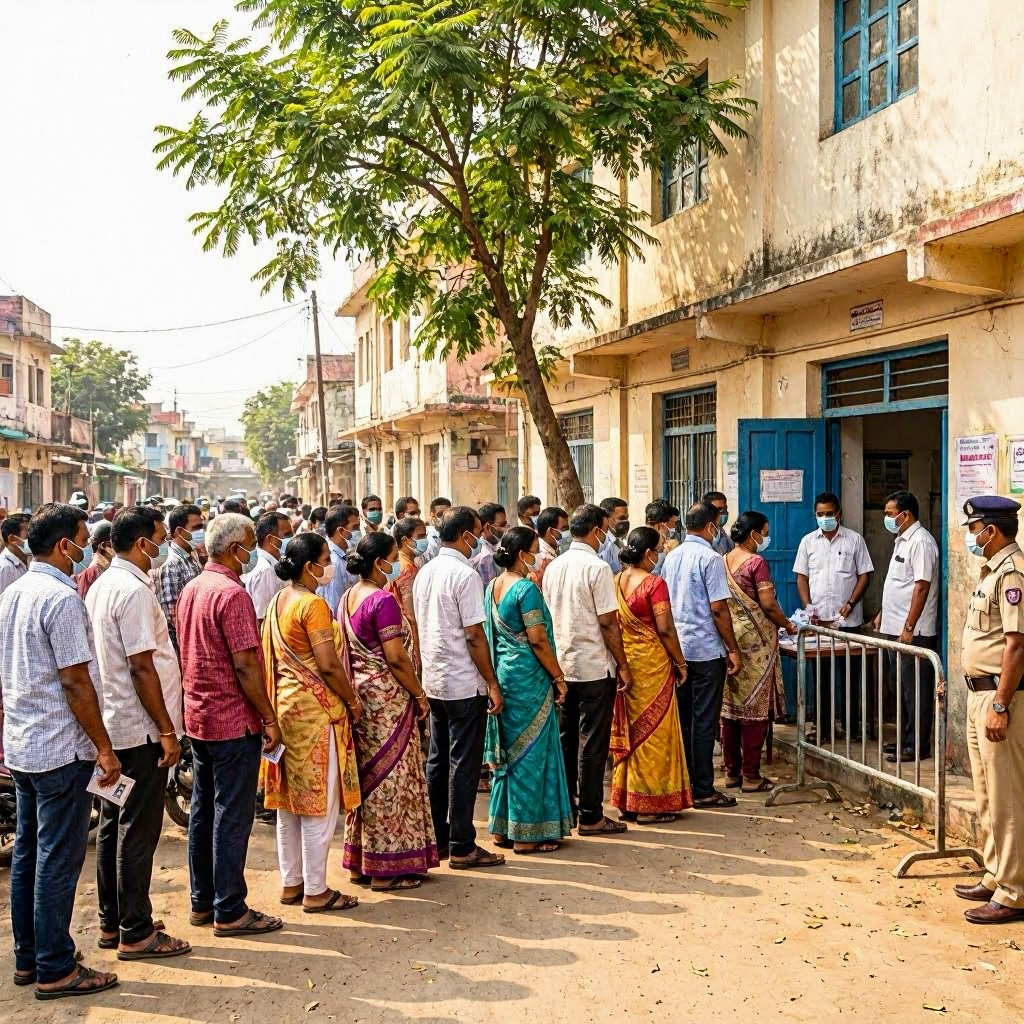
Political analysts note that voter turnout is likely to be a critical factor this election cycle. In the 2019 elections, the turnout was around 67%, and experts predict that with increased voter engagement through social media and grassroots campaigns, this could rise significantly. "Engagement from young voters, especially those aged 18-24, will be pivotal," stated Dr. Suresh Kumar, a political scientist at the University of Delhi.
Moreover, the Election Commission of India has announced several reforms aimed at ensuring fair elections, including measures to enhance transparency in the voting process. "We are committed to conducting free and fair elections and will implement all necessary measures to maintain the integrity of the electoral process," said Chief Election Commissioner Rajiv Kumar.
As campaigning heats up, issues such as communal harmony, climate change, and women’s empowerment are expected to dominate discussions. Candidates are urged to address these critical themes to resonate with the electorate.
With the political climate in flux, all eyes will be on the upcoming rallies, public debates, and candidate announcements that will ultimately influence voter sentiment leading up to the elections. As we move closer to the election date, the stakes are higher than ever, and the potential for unexpected outcomes remains palpable.
भारत में 2024 के आम चुनावों का मंच सज चुका है और निर्णायक मतदान अवधि से पहले राजनीतिक दल अपनी तैयारियों को तेज कर रहे हैं। अप्रैल-मई 2024 में प्रस्तावित यह चुनाव हाल के वर्षों के सबसे अहम चुनावों में माना जा रहा है, क्योंकि इसके नतीजे आने वाले वर्षों तक देश की राजनीतिक दिशा तय कर सकते हैं।
बीते कुछ हफ्तों में सत्तारूढ़ भारतीय जनता पार्टी (भाजपा) और विपक्षी भारतीय राष्ट्रीय कांग्रेस (कांग्रेस) सहित प्रमुख दलों ने अपने घोषणापत्रों की रूपरेखा सामने रखनी शुरू कर दी है। भाजपा पिछले एक दशक की उपलब्धियों, खासकर बुनियादी ढांचे के विकास और डिजिटल सेवाओं जैसे क्षेत्रों पर जोर दे रही है, जबकि कांग्रेस बेरोजगारी और महंगाई जैसे मुद्दों को केंद्र में रखकर सरकार को घेरने की रणनीति अपना रही है, जो मतदाताओं की बड़ी चिंताओं में शामिल रहे हैं।
XYZ रिसर्च के हालिया ओपिनियन पोल के मुताबिक, भाजपा को करीब 40% वोट शेयर मिलने का अनुमान जताया गया है, जबकि कांग्रेस के खाते में लगभग 25% वोट शेयर आने की संभावना बताई गई है। साथ ही, क्षेत्रीय दलों की भूमिका भी निर्णायक मानी जा रही है—खासकर उत्तर प्रदेश और पश्चिम बंगाल जैसे राज्यों में, जहां वे चुनावी नतीजों को प्रभावित कर सकते हैं।
राजनीतिक विश्लेषकों का कहना है कि इस चुनाव चक्र में मतदान प्रतिशत एक अहम कारक साबित हो सकता है। 2019 के चुनावों में मतदान करीब 67% रहा था और विशेषज्ञों का अनुमान है कि सोशल मीडिया तथा जमीनी स्तर के अभियानों के जरिए बढ़ी भागीदारी के चलते यह आंकड़ा उल्लेखनीय रूप से बढ़ सकता है। दिल्ली विश्वविद्यालय के राजनीतिक वैज्ञानिक डॉ. सुरेश कुमार ने कहा, “युवा मतदाताओं, खासकर 18-24 आयु वर्ग की भागीदारी निर्णायक होगी।”
इस बीच, भारत निर्वाचन आयोग ने निष्पक्ष चुनाव सुनिश्चित करने के उद्देश्य से कई सुधारों की घोषणा की है, जिनमें मतदान प्रक्रिया में पारदर्शिता बढ़ाने के उपाय भी शामिल हैं। मुख्य निर्वाचन आयुक्त राजीव कुमार ने कहा, “हम स्वतंत्र और निष्पक्ष चुनाव कराने के लिए प्रतिबद्ध हैं और चुनावी प्रक्रिया की शुचिता बनाए रखने के लिए सभी आवश्यक कदम उठाए जाएंगे।”
जैसे-जैसे प्रचार तेज होगा, सांप्रदायिक सौहार्द, जलवायु परिवर्तन और महिला सशक्तिकरण जैसे मुद्दों के चर्चा के केंद्र में रहने की संभावना है। उम्मीदवारों से अपेक्षा की जा रही है कि वे मतदाताओं से जुड़ने के लिए इन अहम विषयों पर स्पष्ट रुख और ठोस एजेंडा पेश करें।
बदलते राजनीतिक माहौल के बीच आने वाली रैलियों, सार्वजनिक बहसों और उम्मीदवारों की घोषणाओं पर सबकी नजर रहेगी, जो अंततः चुनाव से पहले मतदाता धारणा को प्रभावित करेंगी। मतदान की तारीख नजदीक आने के साथ दांव पहले से कहीं ज्यादा बढ़ गए हैं और अप्रत्याशित नतीजों की संभावना भी बनी हुई है।