Science
Historic Space Mission Successfully Achieves Milestone Objectives
A groundbreaking space mission has successfully completed its primary objectives, marking a significant achievement in space exploration. The mission, launched six months ago, has returned valuable data that may reshape our understanding of the cosmos.
Johnathan A. Smith
July 07, 2026
05:59 AM
In a remarkable achievement for space exploration, the recent mission launched by the National Aeronautics and Space Administration (NASA) has successfully completed its primary objectives, unveiling new insights into the universe. The spacecraft, named Star Voyager, was launched six months ago and has exceeded expectations by gathering critical data from its observations.
Star Voyager's mission included a detailed study of the asteroid belt between Mars and Jupiter, with a focus on the composition and behavior of these ancient celestial bodies. During its journey, the spacecraft encountered over 30 asteroids, providing unprecedented high-resolution images and spectroscopic data. According to Dr. Emily Chen, the lead scientist of the mission, "The data we've received will help us understand the building blocks of our solar system better than ever before."
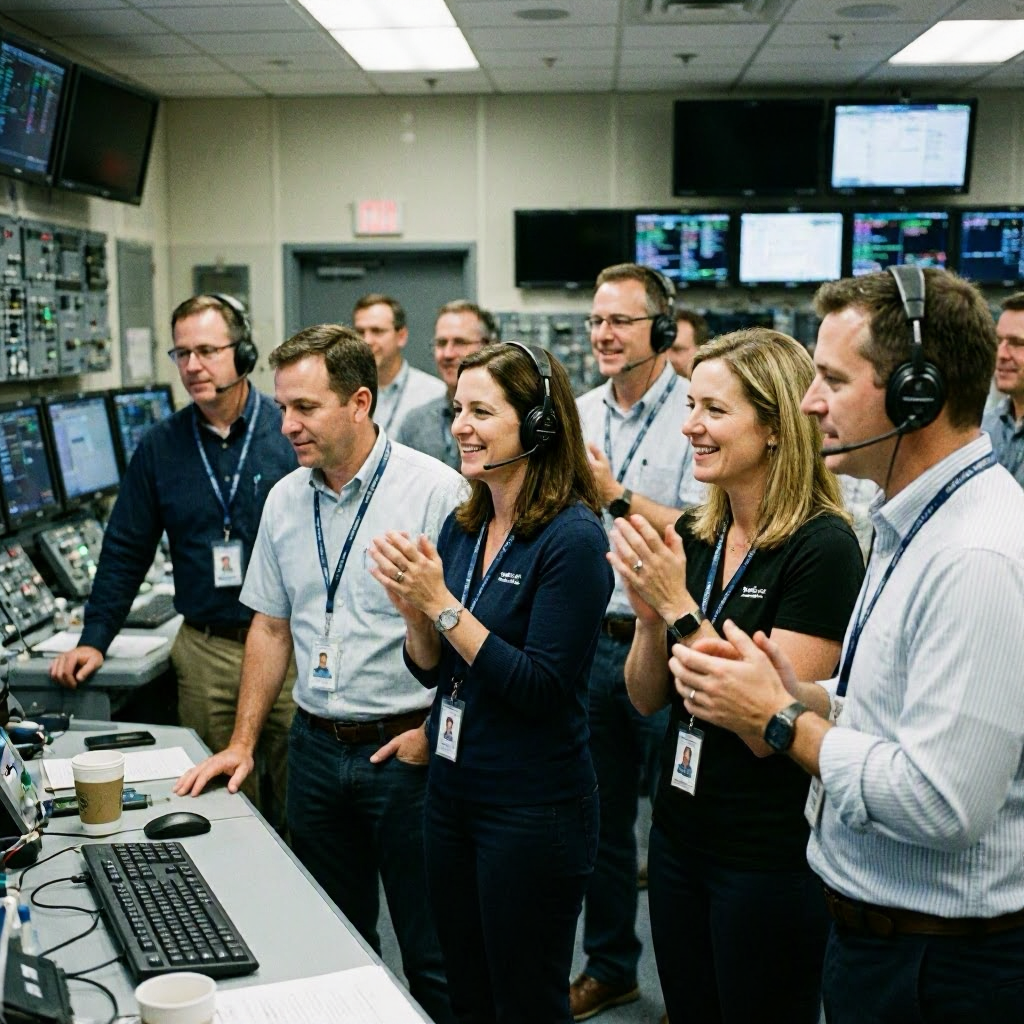
The mission's success was celebrated in a press conference at NASA's headquarters, where officials confirmed that the spacecraft's instruments operated flawlessly throughout the mission. The project, which cost approximately $500 million, was designed to push the boundaries of deep space exploration and has already been hailed as one of NASA's most successful missions to date.
As part of its objectives, Star Voyager also measured cosmic radiation levels and identified potential water sources on asteroids, which may one day support future human missions to Mars. This aspect of the mission has garnered significant interest from scientists and engineers alike, as it paves the way for sustainable human presence beyond Earth.
The data collected will be shared with scientists worldwide, enabling collaborative research across various disciplines. Notably, the mission team is already planning to publish their findings in several leading scientific journals, emphasizing the importance of international cooperation in space science.
With its successful completion, NASA plans to discuss potential future missions that may build upon the insights gained from Star Voyager. "This mission is just the beginning of a new era for planetary exploration," said NASA Administrator Bill Nelson. "We are excited to explore even further into our solar system and beyond, as each mission brings us closer to understanding our place in the universe."
The success of Star Voyager is a testament to human ingenuity and determination, inspiring the next generation of scientists and engineers to continue pushing forward in the quest for knowledge beyond our planet.
अंतरिक्ष अन्वेषण के क्षेत्र में एक उल्लेखनीय उपलब्धि के तहत, नेशनल एरोनॉटिक्स एंड स्पेस एडमिनिस्ट्रेशन (नासा) द्वारा हाल में शुरू किए गए मिशन ने अपने प्रमुख उद्देश्यों को सफलतापूर्वक पूरा कर लिया है और ब्रह्मांड को लेकर नई जानकारियां सामने आई हैं। ‘स्टार वॉयेजर’ नामक यह अंतरिक्ष यान छह महीने पहले प्रक्षेपित किया गया था और इसने अपेक्षाओं से बढ़कर अपने अवलोकनों के जरिए महत्वपूर्ण डेटा जुटाया है।
स्टार वॉयेजर के मिशन में मंगल और बृहस्पति के बीच स्थित क्षुद्रग्रह पट्टी का विस्तृत अध्ययन शामिल था, जिसमें इन प्राचीन खगोलीय पिंडों की संरचना और व्यवहार पर विशेष ध्यान दिया गया। यात्रा के दौरान यान ने 30 से अधिक क्षुद्रग्रहों के पास से गुजरते हुए अभूतपूर्व उच्च-रिज़ॉल्यूशन तस्वीरें और स्पेक्ट्रोस्कोपिक डेटा उपलब्ध कराया। मिशन की प्रमुख वैज्ञानिक डॉ. एमिली चेन के अनुसार, “हमें जो डेटा मिला है, वह हमारे सौरमंडल के निर्माण खंडों को पहले से कहीं बेहतर समझने में मदद करेगा।”
मिशन की सफलता का जश्न नासा मुख्यालय में आयोजित प्रेस कॉन्फ्रेंस में मनाया गया, जहां अधिकारियों ने पुष्टि की कि पूरे मिशन के दौरान अंतरिक्ष यान के उपकरण बिना किसी बाधा के सुचारू रूप से काम करते रहे। करीब 500 मिलियन डॉलर की लागत वाली इस परियोजना का उद्देश्य गहरे अंतरिक्ष अन्वेषण की सीमाओं को आगे बढ़ाना था और इसे अब तक के नासा के सबसे सफल मिशनों में से एक माना जा रहा है।
अपने लक्ष्यों के तहत स्टार वॉयेजर ने कॉस्मिक रेडिएशन के स्तर भी मापे और क्षुद्रग्रहों पर संभावित जल स्रोतों की पहचान की, जो भविष्य में मंगल पर मानव मिशनों के लिए सहायक हो सकते हैं। मिशन का यह पहलू वैज्ञानिकों और इंजीनियरों के बीच खासा चर्चा में है, क्योंकि यह पृथ्वी से परे टिकाऊ मानव उपस्थिति की दिशा में रास्ता खोलता है।
एकत्रित डेटा को दुनिया भर के वैज्ञानिकों के साथ साझा किया जाएगा, जिससे विभिन्न क्षेत्रों में सहयोगात्मक शोध को बढ़ावा मिलेगा। खास बात यह है कि मिशन टीम अपने निष्कर्षों को कई प्रमुख वैज्ञानिक पत्रिकाओं में प्रकाशित करने की तैयारी कर रही है, और अंतरिक्ष विज्ञान में अंतरराष्ट्रीय सहयोग के महत्व पर जोर दे रही है।
मिशन के सफल समापन के बाद नासा अब उन संभावित भविष्य मिशनों पर चर्चा करने की योजना बना रहा है, जो स्टार वॉयेजर से मिली जानकारियों पर आगे निर्माण कर सकें। नासा प्रशासक बिल नेल्सन ने कहा, “यह मिशन ग्रहों के अन्वेषण के एक नए युग की शुरुआत भर है। हम अपने सौरमंडल और उससे आगे तक और गहराई से खोज करने को उत्साहित हैं, क्योंकि हर मिशन हमें ब्रह्मांड में अपनी जगह समझने के और करीब ले जाता है।”
स्टार वॉयेजर की सफलता मानव प्रतिभा और दृढ़ संकल्प का प्रमाण है, जो अगली पीढ़ी के वैज्ञानिकों और इंजीनियरों को हमारे ग्रह से परे ज्ञान की खोज में आगे बढ़ने के लिए प्रेरित करेगी।