Health
Gujarat Advances Towards Region-Specific Anti-Venom Production
Gujarat is set to produce its own region-specific anti-snake venom following the transfer of venom samples from the Snake Research Institute to a licensed manufacturer. This initiative aims to enhance snakebite treatment and align with India's national goal of reducing snakebite fatalities by 50% by 2030.
Priya Sharma
July 05, 2026
08:51 PM
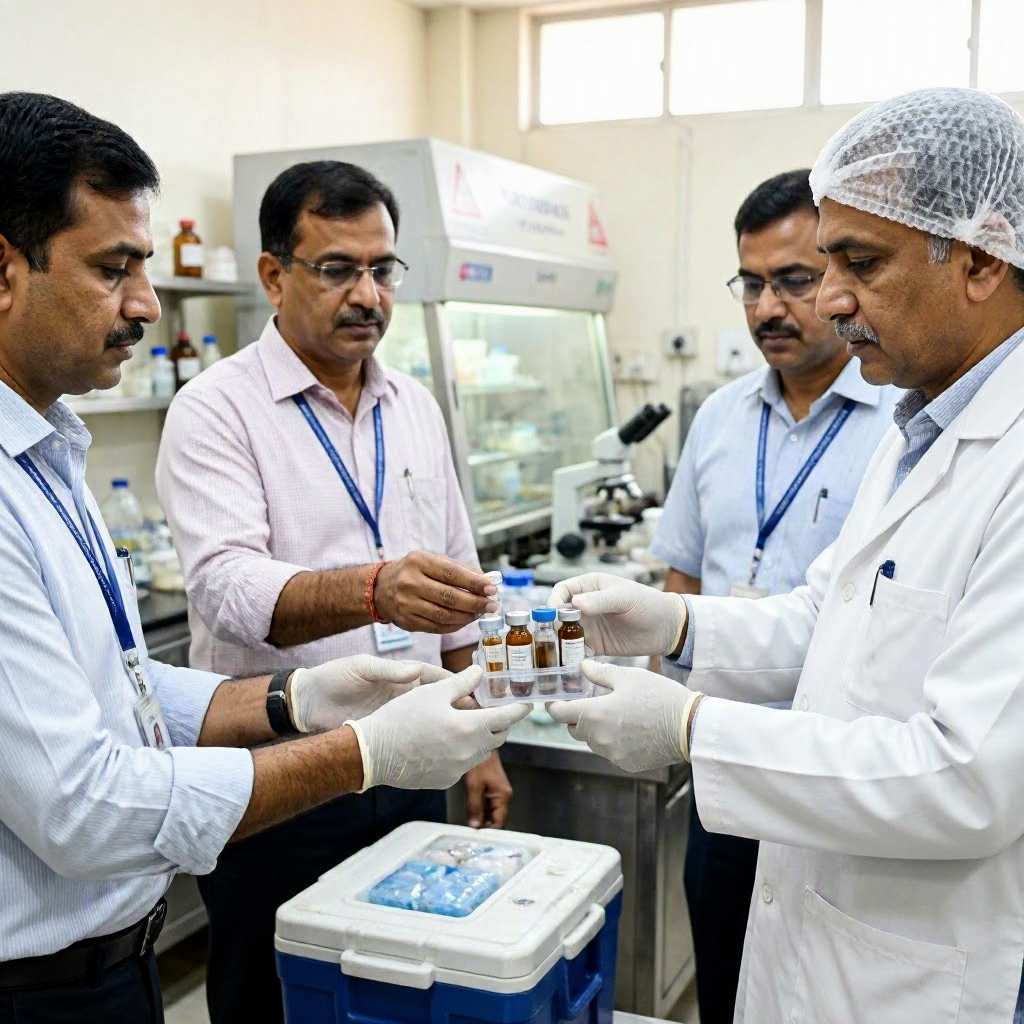
Gandhinagar, Gujarat – In a significant development for public health, Gujarat has taken a crucial step towards creating a region-specific anti-snake venom. The state's Dharampur-based Snake Research Institute (SRI) has handed over lyophilised, or freeze-dried, venom samples from four major venomous snake species indigenous to the region to a licensed anti-venom production company.
This milestone was announced in a press release issued by the Chief Minister's Office in Gujarat. The transfer of venom marks the beginning of a new chapter in snakebite treatment within the state, which has one of the highest incidences of snakebite cases in India. The initiative not only aims to provide more effective treatment options but also addresses the specific needs of the local population, who often encounter these snakes.
The development aligns with the broader national goal to reduce snakebite-related deaths in India by 50% by the year 2030. According to health officials, approximately 50,000 people die from snakebites each year in India, highlighting the critical need for effective anti-venom solutions tailored to regional snake species.
Dr. Ramesh Patel, Director of the SRI, expressed optimism about the future of snakebite treatment in Gujarat. “This initiative is a game-changer not just for our state but for the entire country. With this venom, we can ensure that the anti-venom produced will be more effective against the local species, thereby increasing survival rates,” he stated.
The four venomous snakes involved in this initiative include the Indian cobra, common krait, Russell's viper, and saw-scaled viper, all of which are prevalent in various habitats across Gujarat. By focusing on these species, the research aims to develop a more effective anti-venom that can be deployed swiftly in medical emergencies.
The licensed manufacturer is expected to commence production of the anti-venom shortly, with regulatory approvals already in place. As part of the project, there will also be a concerted effort to raise awareness about snakebites and the importance of immediate medical attention among local communities.
Overall, this initiative represents a crucial step towards combating snakebite fatalities in Gujarat and sets a precedent for similar efforts across other states in India, which face similar challenges.
गांधीनगर, गुजरात – जनस्वास्थ्य के लिहाज से एक अहम घटनाक्रम में गुजरात ने क्षेत्र-विशिष्ट एंटी-स्नेक वेनम विकसित करने की दिशा में बड़ा कदम उठाया है। राज्य के धरमपुर स्थित स्नेक रिसर्च इंस्टीट्यूट (एसआरआई) ने क्षेत्र में पाई जाने वाली चार प्रमुख विषैली सांप प्रजातियों के लायोफिलाइज़्ड (फ्रीज़-ड्राइड) विष के नमूने एक लाइसेंस प्राप्त एंटी-वेनम निर्माण कंपनी को सौंप दिए हैं।
इस उपलब्धि की जानकारी गुजरात के मुख्यमंत्री कार्यालय की ओर से जारी प्रेस विज्ञप्ति में दी गई। विष के नमूनों का यह हस्तांतरण राज्य में सर्पदंश उपचार के लिए एक नए अध्याय की शुरुआत माना जा रहा है। गुजरात उन राज्यों में शामिल है जहां सर्पदंश के मामलों की संख्या देश में सबसे अधिक रहती है। यह पहल न केवल अधिक प्रभावी उपचार विकल्प उपलब्ध कराने का लक्ष्य रखती है, बल्कि स्थानीय आबादी की जरूरतों को भी ध्यान में रखती है, क्योंकि लोगों का इन सांपों से अक्सर सामना होता है।
यह कदम 2030 तक भारत में सर्पदंश से होने वाली मौतों में 50% कमी लाने के व्यापक राष्ट्रीय लक्ष्य के अनुरूप है। स्वास्थ्य अधिकारियों के अनुसार, देश में हर साल करीब 50,000 लोगों की मौत सर्पदंश के कारण होती है, जो क्षेत्रीय प्रजातियों के अनुरूप प्रभावी एंटी-वेनम समाधान की तात्कालिक जरूरत को रेखांकित करता है।
एसआरआई के निदेशक डॉ. रमेश पटेल ने गुजरात में सर्पदंश उपचार के भविष्य को लेकर भरोसा जताया। उन्होंने कहा, “यह पहल सिर्फ हमारे राज्य के लिए नहीं, बल्कि पूरे देश के लिए गेम-चेंजर है। इस विष के जरिए हम सुनिश्चित कर सकेंगे कि तैयार होने वाला एंटी-वेनम स्थानीय प्रजातियों के खिलाफ अधिक प्रभावी हो, जिससे मरीजों के बचने की संभावना बढ़ेगी।”
इस परियोजना में जिन चार विषैली प्रजातियों को शामिल किया गया है, उनमें इंडियन कोबरा (नाग), कॉमन क्रेट, रसेल्स वाइपर और सॉ-स्केल्ड वाइपर शामिल हैं। ये सभी गुजरात के विभिन्न आवासीय क्षेत्रों में व्यापक रूप से पाई जाती हैं। इन प्रजातियों पर फोकस करके शोध का लक्ष्य ऐसा एंटी-वेनम विकसित करना है, जिसे आपातकालीन स्थितियों में तेजी से इस्तेमाल किया जा सके।
लाइसेंस प्राप्त निर्माता से अपेक्षा है कि वह जल्द ही एंटी-वेनम का उत्पादन शुरू करेगा, और आवश्यक नियामकीय मंजूरियां पहले से मौजूद हैं। परियोजना के तहत स्थानीय समुदायों में सर्पदंश के प्रति जागरूकता बढ़ाने और तुरंत चिकित्सकीय सहायता लेने के महत्व पर भी विशेष अभियान चलाया जाएगा।
कुल मिलाकर, यह पहल गुजरात में सर्पदंश से होने वाली मौतों पर अंकुश लगाने की दिशा में एक निर्णायक कदम है और देश के अन्य राज्यों के लिए भी एक मिसाल पेश करती है, जहां इसी तरह की चुनौतियां मौजूद हैं।