Health
France Sees 30% Surge in Deaths Amid Record-Breaking Heatwave
During the intense heatwave from June 22, France reported a nearly 30% increase in deaths. Public Health France indicated that this rise, amounting to 2,025 additional fatalities, may be an underestimate, especially in severely affected areas like Paris.
Marie Dupont
July 04, 2026
10:01 PM
In a troubling revelation, France's public health authority reported a staggering rise in mortality rates during the recent heatwave, which peaked around June 22. The data shows a 29.1% increase in deaths, translating to an additional 2,025 fatalities compared to the previous week. This alarming statistic has prompted concerns about the country's preparedness for extreme weather events.
The report from Public Health France highlights the severe toll of the unprecedented heatwave, which marked one of the hottest periods in the nation’s history. The capital city of Paris experienced an even more pronounced spike, with deaths increasing by 62% during the same week. Such figures have raised urgent questions regarding climate resilience and public health measures in the face of rising temperatures.
Officials noted that the reported figures might actually underrepresent the total impact, as many deaths could go unrecorded or misattributed. "We believe these numbers reflect a broader trend that could be much worse than reported," said a spokesperson from Public Health France. The organization is currently reviewing data from healthcare facilities to provide a more comprehensive overview.
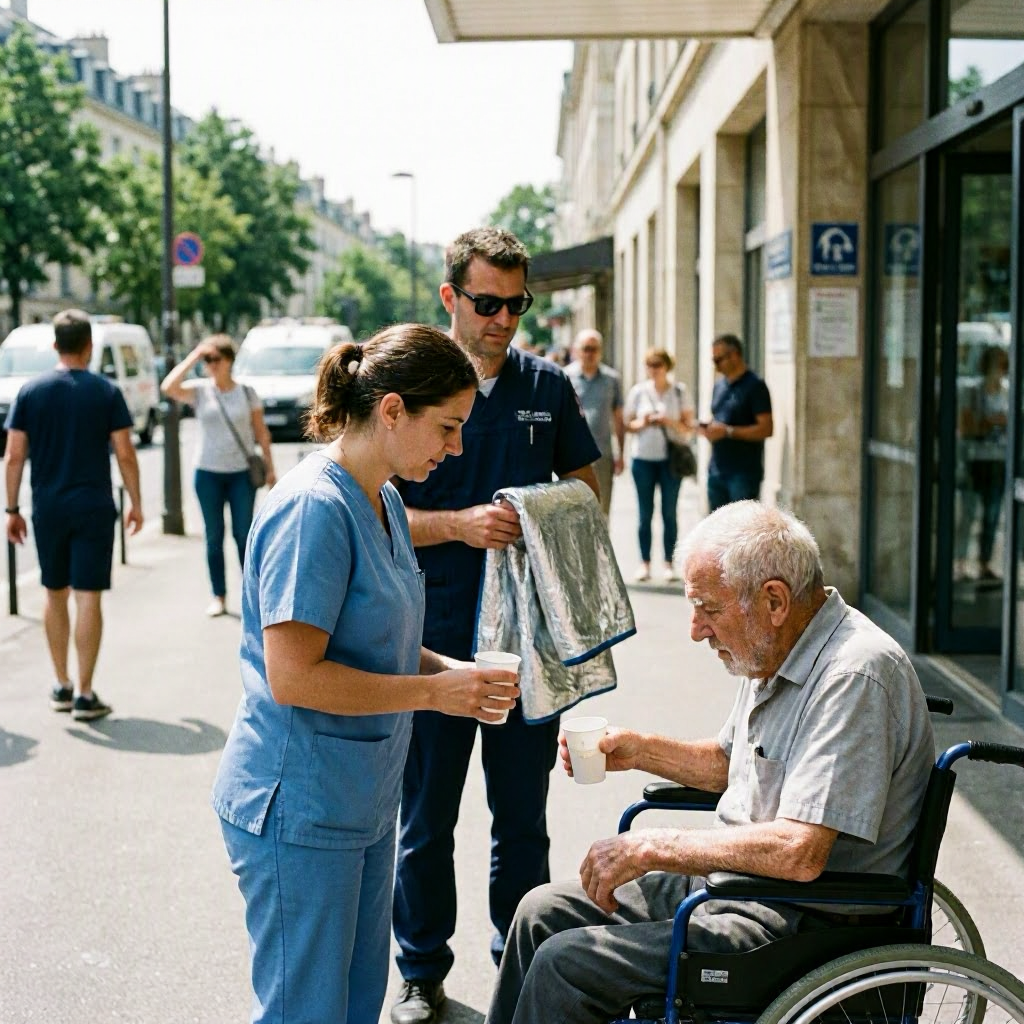
The health implications of heatwaves are stark, especially for vulnerable populations such as the elderly and those with pre-existing health conditions. As temperatures soared, hospitals across the country faced increased admissions related to heat-related illnesses. Medical professionals urged citizens to remain vigilant against the dangers of extreme heat.
In addition to the immediate health crisis, the heatwave's long-term effects on public health policy are now under scrutiny. Experts argue that the government must develop more robust responses to climate change, which has been linked to the frequency and intensity of extreme weather events. "We need to rethink our approach to public health and infrastructure in light of these changing climate patterns," noted a climate scientist.
As France grapples with the aftermath of this heatwave, it faces the dual challenge of addressing immediate health concerns and planning for future climate-related emergencies. The lessons learned from this experience may shape the country's health policies for years to come.
चिंताजनक खुलासे में फ्रांस की सार्वजनिक स्वास्थ्य एजेंसी ने बताया कि हालिया लू के दौरान, जो 22 जून के आसपास चरम पर थी, देश में मृत्यु दर में तेज उछाल दर्ज किया गया। आंकड़ों के अनुसार मौतों में 29.1% की वृद्धि हुई, यानी पिछले सप्ताह की तुलना में 2,025 अतिरिक्त लोगों की जान गई। इस गंभीर स्थिति ने चरम मौसम घटनाओं से निपटने की देश की तैयारियों पर सवाल खड़े कर दिए हैं।
पब्लिक हेल्थ फ्रांस की रिपोर्ट में कहा गया है कि यह अभूतपूर्व गर्मी देश के इतिहास के सबसे गर्म दौरों में से एक रही। राजधानी पेरिस में स्थिति और भी गंभीर रही, जहां उसी सप्ताह मौतों में 62% की बढ़ोतरी दर्ज की गई। इन आंकड़ों ने बढ़ते तापमान के बीच जलवायु-लचीलापन और जनस्वास्थ्य उपायों की प्रभावशीलता को लेकर तात्कालिक चिंताएं बढ़ा दी हैं।
अधिकारियों ने यह भी संकेत दिया कि दर्ज किए गए आंकड़े कुल असर को कम करके दिखा सकते हैं, क्योंकि कई मौतें दर्ज नहीं हो पातीं या उनके कारणों का गलत आकलन हो सकता है। पब्लिक हेल्थ फ्रांस के एक प्रवक्ता ने कहा, “हमें लगता है कि ये आंकड़े एक व्यापक रुझान की ओर इशारा करते हैं, जो रिपोर्ट में दिख रहे स्तर से कहीं अधिक गंभीर हो सकता है।” एजेंसी फिलहाल स्वास्थ्य संस्थानों से मिले डेटा की समीक्षा कर रही है ताकि अधिक समग्र तस्वीर सामने लाई जा सके।
लू के स्वास्थ्य प्रभाव खासकर बुजुर्गों और पहले से बीमारियों से जूझ रहे लोगों के लिए बेहद गंभीर होते हैं। तापमान बढ़ने के साथ देशभर के अस्पतालों में गर्मी से जुड़ी बीमारियों के मामलों में भर्ती बढ़ी। चिकित्सकों ने नागरिकों से अत्यधिक गर्मी के खतरे को लेकर सतर्क रहने की अपील की।
तत्काल स्वास्थ्य संकट के अलावा, इस गर्मी के दीर्घकालिक असर और जनस्वास्थ्य नीति पर इसके प्रभाव की भी समीक्षा शुरू हो गई है। विशेषज्ञों का कहना है कि सरकार को जलवायु परिवर्तन के प्रति अधिक मजबूत रणनीति बनानी होगी, क्योंकि चरम मौसम घटनाओं की आवृत्ति और तीव्रता बढ़ने का संबंध जलवायु परिवर्तन से जोड़ा जा रहा है। एक जलवायु वैज्ञानिक ने कहा, “बदलते जलवायु पैटर्न को देखते हुए हमें जनस्वास्थ्य और बुनियादी ढांचे के प्रति अपने दृष्टिकोण पर पुनर्विचार करना होगा।”
इस लू के बाद के हालात से जूझते फ्रांस के सामने दोहरी चुनौती है—तत्काल स्वास्थ्य चिंताओं का समाधान और भविष्य की जलवायु-संबंधी आपात स्थितियों के लिए तैयारी। इस अनुभव से मिले सबक आने वाले वर्षों में देश की स्वास्थ्य नीतियों की दिशा तय कर सकते हैं।