politics
Former Diplomat Warns Pakistan Is on the Brink of Failure
Bilahari Kausikan, a former Singaporean diplomat, offered a stark evaluation of Pakistan, stating it is 'teetering on the brink of failure.' He emphasized the significance of nuclear weapons in shaping global perceptions of the country during a recent discussion.
Jane Doe
July 04, 2026
07:17 PM
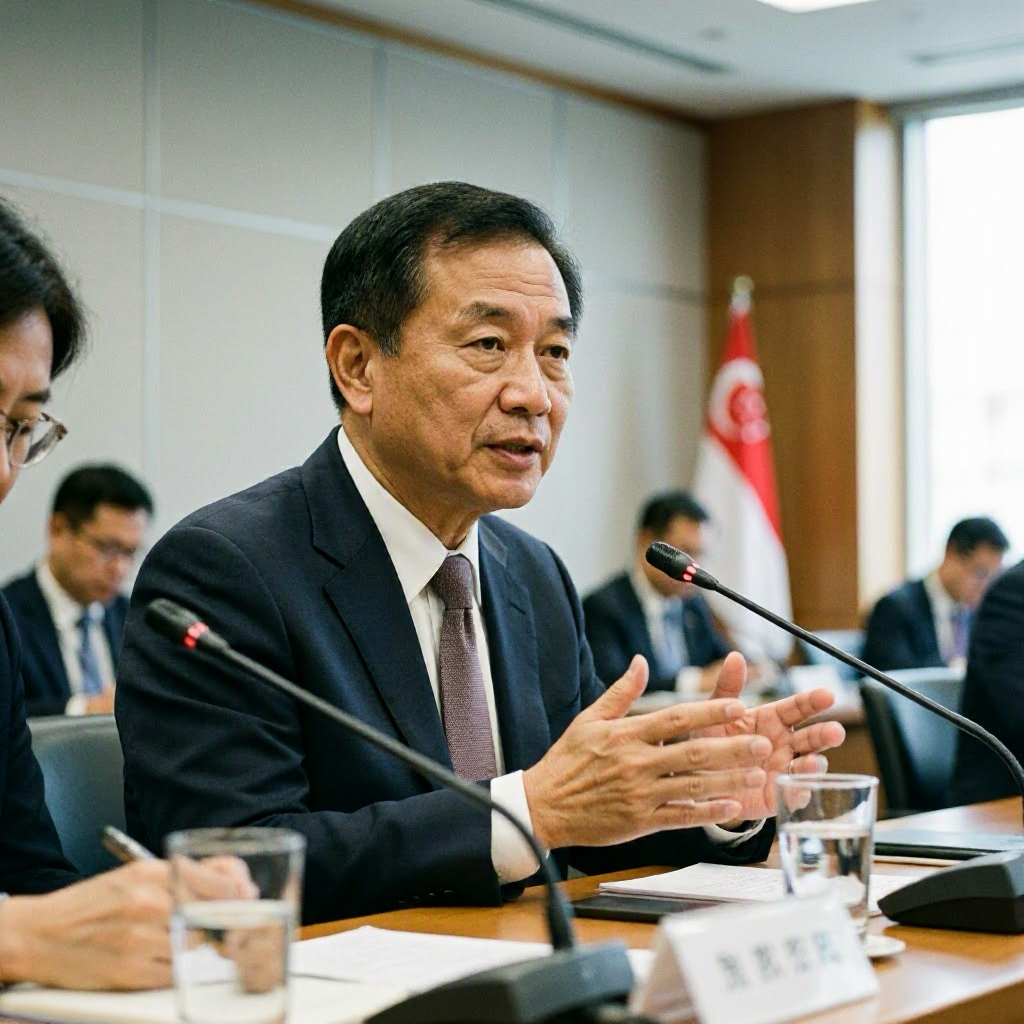
In a striking assessment of Pakistan's current state, Bilahari Kausikan, former Singaporean diplomat and Chairman of the Middle East Institute, expressed grave concerns about the nation's stability. Speaking at the National Press Foundation's International Reporting Fellowship, Kausikan described Pakistan as 'teetering on the brink of failure,' underscoring the precarious nature of its political and economic landscape.
Kausikan's remarks highlighted the paradox of Pakistan's nuclear arsenal, suggesting that without these weapons, the international community would largely disregard the nation. 'If you had no nuclear weapons, nobody would care,' he stated, emphasizing how these capabilities overshadow the multitude of challenges faced by the country.
Pakistan has been grappling with severe economic challenges, including high inflation, a depreciating currency, and mounting debt. The country's political instability, marked by leadership changes and ongoing protests, has further compounded these issues, leading many analysts to question the government's ability to maintain order and deliver essential services to its citizens.
Amidst this turmoil, Kausikan's comments resonate with both regional and global implications. He pointed out that the ongoing struggles within Pakistan could have far-reaching consequences for South Asia, as well as for international security, especially given the nation’s nuclear capabilities.
The former diplomat's critique places significant emphasis on the urgent need for Pakistan to address its internal crises. He urged the international community to engage with Pakistan not only on military and security fronts but also to support sustainable economic reform and political stability.
As Pakistan continues to navigate these treacherous waters, Kausikan's insights may serve as a wake-up call for both Pakistani leaders and the global community, reminding them that the stakes are not just about nuclear deterrence but also about the fundamental resilience of a nation.
पाकिस्तान की मौजूदा स्थिति पर तीखी टिप्पणी करते हुए सिंगापुर के पूर्व राजनयिक और मिडिल ईस्ट इंस्टीट्यूट के चेयरमैन बिलाहारी कौसिकन ने देश की स्थिरता को लेकर गंभीर चिंता जताई। नेशनल प्रेस फाउंडेशन की इंटरनेशनल रिपोर्टिंग फेलोशिप में बोलते हुए कौसिकन ने पाकिस्तान को 'विफलता के कगार पर डगमगाता' बताया और उसके राजनीतिक व आर्थिक परिदृश्य की नाजुकता पर जोर दिया।
कौसिकन की टिप्पणियों में पाकिस्तान के परमाणु शस्त्रागार का विरोधाभास भी सामने आया। उनका संकेत था कि यदि पाकिस्तान के पास परमाणु हथियार न होते, तो अंतरराष्ट्रीय समुदाय बड़े पैमाने पर उसे नजरअंदाज कर देता। उन्होंने कहा, 'अगर आपके पास परमाणु हथियार न हों, तो किसी को परवाह नहीं होगी,' और यह भी रेखांकित किया कि ये क्षमताएं देश के सामने मौजूद अनेक चुनौतियों पर भारी पड़ जाती हैं।
पाकिस्तान गंभीर आर्थिक संकट से जूझ रहा है, जिसमें ऊंची महंगाई, कमजोर होती मुद्रा और बढ़ता कर्ज शामिल है। नेतृत्व में बदलाव और लगातार प्रदर्शनों से चिह्नित राजनीतिक अस्थिरता ने इन समस्याओं को और गहरा किया है। इसके चलते कई विश्लेषक सरकार की कानून-व्यवस्था बनाए रखने और नागरिकों को आवश्यक सेवाएं उपलब्ध कराने की क्षमता पर सवाल उठा रहे हैं।
इस उथल-पुथल के बीच कौसिकन की बातें क्षेत्रीय और वैश्विक—दोनों स्तरों पर असर डालने वाली मानी जा रही हैं। उन्होंने कहा कि पाकिस्तान के भीतर जारी संकट दक्षिण एशिया के लिए दूरगामी परिणाम पैदा कर सकता है, साथ ही अंतरराष्ट्रीय सुरक्षा पर भी प्रभाव डाल सकता है—खासकर देश की परमाणु क्षमता को देखते हुए।
पूर्व राजनयिक की आलोचना में पाकिस्तान के लिए अपने आंतरिक संकटों से तत्काल निपटने की जरूरत पर खास जोर रहा। उन्होंने अंतरराष्ट्रीय समुदाय से आग्रह किया कि पाकिस्तान के साथ संवाद केवल सैन्य और सुरक्षा मुद्दों तक सीमित न रहे, बल्कि टिकाऊ आर्थिक सुधार और राजनीतिक स्थिरता के समर्थन पर भी केंद्रित हो।
जब पाकिस्तान इन जोखिमभरे हालात से गुजर रहा है, तब कौसिकन के आकलन को पाकिस्तानी नेतृत्व और वैश्विक समुदाय—दोनों के लिए चेतावनी के रूप में देखा जा सकता है। उनका संदेश यह है कि दांव केवल परमाणु प्रतिरोधक क्षमता का नहीं, बल्कि एक देश की बुनियादी मजबूती और टिकाऊपन का भी है।