politics
Eight Arrested in Ram Temple Donation Embezzlement Probe
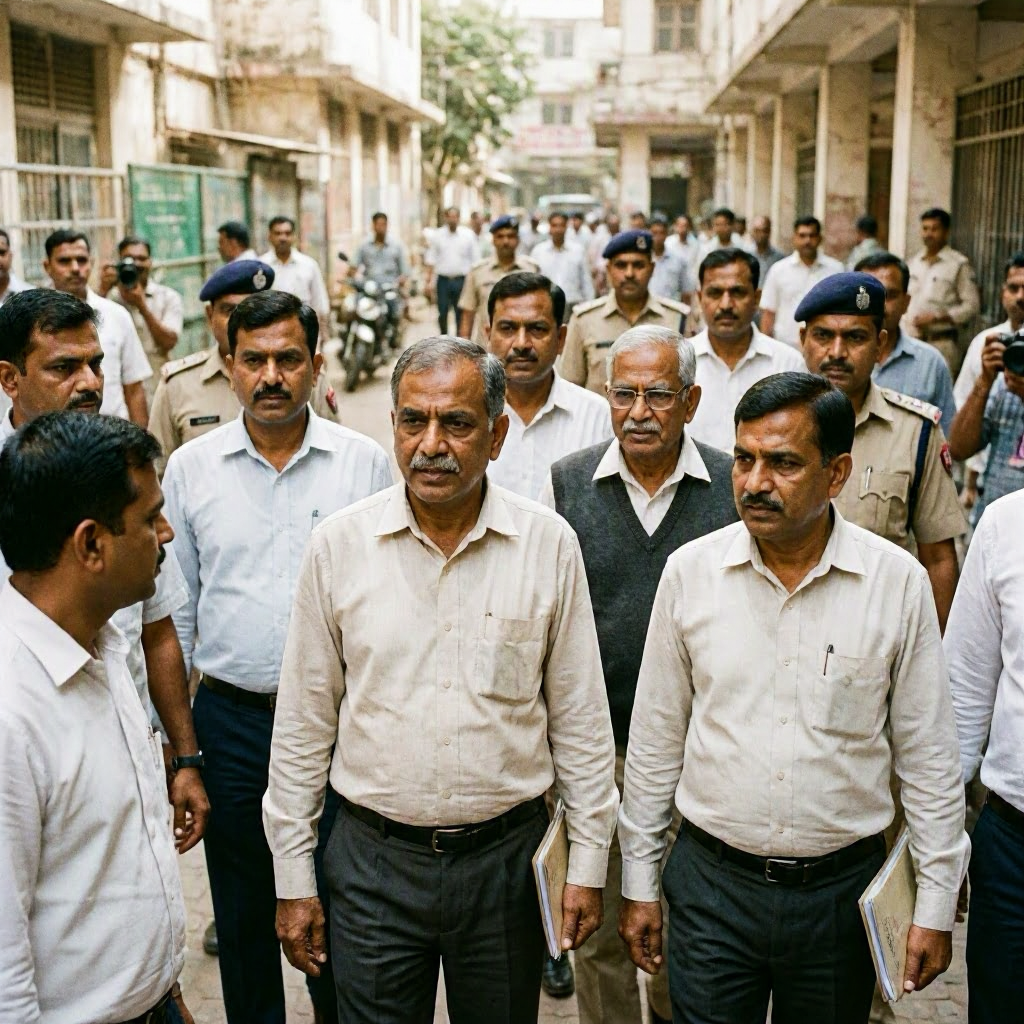
Authorities have arrested eight individuals, including a schoolteacher and a retired banker, in connection with the alleged embezzlement of donations meant for the Ram Temple in Ayodhya. Investigators suspect these individuals misused their positions to divert funds over time.
Rajesh Sharma
July 05, 2026
07:50 PM
In a significant development regarding the alleged embezzlement of donations for the Ram Temple in Ayodhya, police have arrested eight individuals linked to the Shri Ram Janmabhoomi Teerth Kshetra Trust. Among those detained are a primary school teacher, a former car mechanic, a retired bank employee, and a trusted aide of a senior Trust functionary.
According to police sources, these individuals, primarily employed as contract workers through an outsourcing agency, exploited their roles within the temple’s donation management system. They reportedly siphoned off cash offerings intended for the temple over an extended period.
The investigation has revealed that these suspects manipulated financial processes to misappropriate funds, raising serious concerns about the oversight within the temple's financial management. Authorities are now scrutinizing the financial transactions and assets of the accused to uncover the full extent of the alleged embezzlement.
In a statement, a police spokesperson emphasized the seriousness of the case, stating, “We are committed to ensuring that every penny donated to the Ram Temple is accounted for and that those responsible for any wrongdoing will face justice.”
The arrests have drawn attention to the broader implications of financial governance in religious institutions, especially those receiving substantial public donations. As the investigation progresses, community leaders and Trust officials are under pressure to address transparency and accountability in donation management.
Furthermore, this case has sparked discussions among devotees and stakeholders about the need for reform in how such institutions operate. Many are calling for more stringent regulations to prevent similar incidents in the future.
As the legal proceedings unfold, the focus remains on ensuring that the sanctity of the Ram Temple and its financial integrity are preserved. The investigation continues as authorities work diligently to uncover any additional individuals who may be implicated in this scandal.
अयोध्या में राम मंदिर के लिए जुटाए गए दान के कथित गबन मामले में बड़ी कार्रवाई करते हुए पुलिस ने श्रीराम जन्मभूमि तीर्थ क्षेत्र ट्रस्ट से जुड़े आठ लोगों को गिरफ्तार किया है। हिरासत में लिए गए लोगों में एक प्राथमिक विद्यालय का शिक्षक, एक पूर्व कार मैकेनिक, एक सेवानिवृत्त बैंककर्मी और ट्रस्ट के एक वरिष्ठ पदाधिकारी का करीबी सहयोगी शामिल है।
पुलिस सूत्रों के मुताबिक, ये लोग मुख्य रूप से एक आउटसोर्सिंग एजेंसी के जरिए अनुबंध पर काम कर रहे थे और मंदिर के दान प्रबंधन तंत्र में अपनी भूमिका का फायदा उठाते रहे। आरोप है कि उन्होंने लंबे समय तक मंदिर के लिए चढ़ावे के रूप में आई नकदी में से रकम निकालकर गबन किया।
जांच में सामने आया है कि संदिग्धों ने वित्तीय प्रक्रियाओं में हेरफेर कर धन की हड़प की, जिससे मंदिर के वित्तीय प्रबंधन में निगरानी और नियंत्रण को लेकर गंभीर सवाल खड़े हुए हैं। अब एजेंसियां आरोपियों के वित्तीय लेन-देन और संपत्तियों की भी पड़ताल कर रही हैं, ताकि कथित गबन की वास्तविक राशि और दायरा स्पष्ट हो सके।
पुलिस प्रवक्ता ने मामले की गंभीरता रेखांकित करते हुए कहा, “हम यह सुनिश्चित करने के लिए प्रतिबद्ध हैं कि राम मंदिर के लिए दान किया गया हर पैसा हिसाब में आए और किसी भी तरह की गड़बड़ी के जिम्मेदार लोगों को कानून के मुताबिक सजा मिले।”
इन गिरफ्तारियों के बाद धार्मिक संस्थानों में वित्तीय प्रशासन और जवाबदेही के व्यापक मुद्दे पर भी ध्यान गया है, खासकर उन संस्थानों में जहां बड़ी मात्रा में सार्वजनिक दान आता है। जांच आगे बढ़ने के साथ समुदाय के नेताओं और ट्रस्ट अधिकारियों पर दान प्रबंधन में पारदर्शिता और जवाबदेही सुनिश्चित करने का दबाव बढ़ गया है।
इसके अलावा, इस प्रकरण ने श्रद्धालुओं और अन्य हितधारकों के बीच यह बहस भी तेज कर दी है कि ऐसी संस्थाओं के संचालन में सुधार की जरूरत है। कई लोग भविष्य में ऐसी घटनाओं को रोकने के लिए अधिक कड़े नियम और निगरानी व्यवस्था लागू करने की मांग कर रहे हैं।
कानूनी प्रक्रिया आगे बढ़ने के साथ फोकस इस बात पर बना हुआ है कि राम मंदिर की पवित्रता और वित्तीय ईमानदारी बनी रहे। जांच जारी है और अधिकारी यह पता लगाने में जुटे हैं कि इस कथित घोटाले में कहीं और लोग भी तो शामिल नहीं हैं।