politics
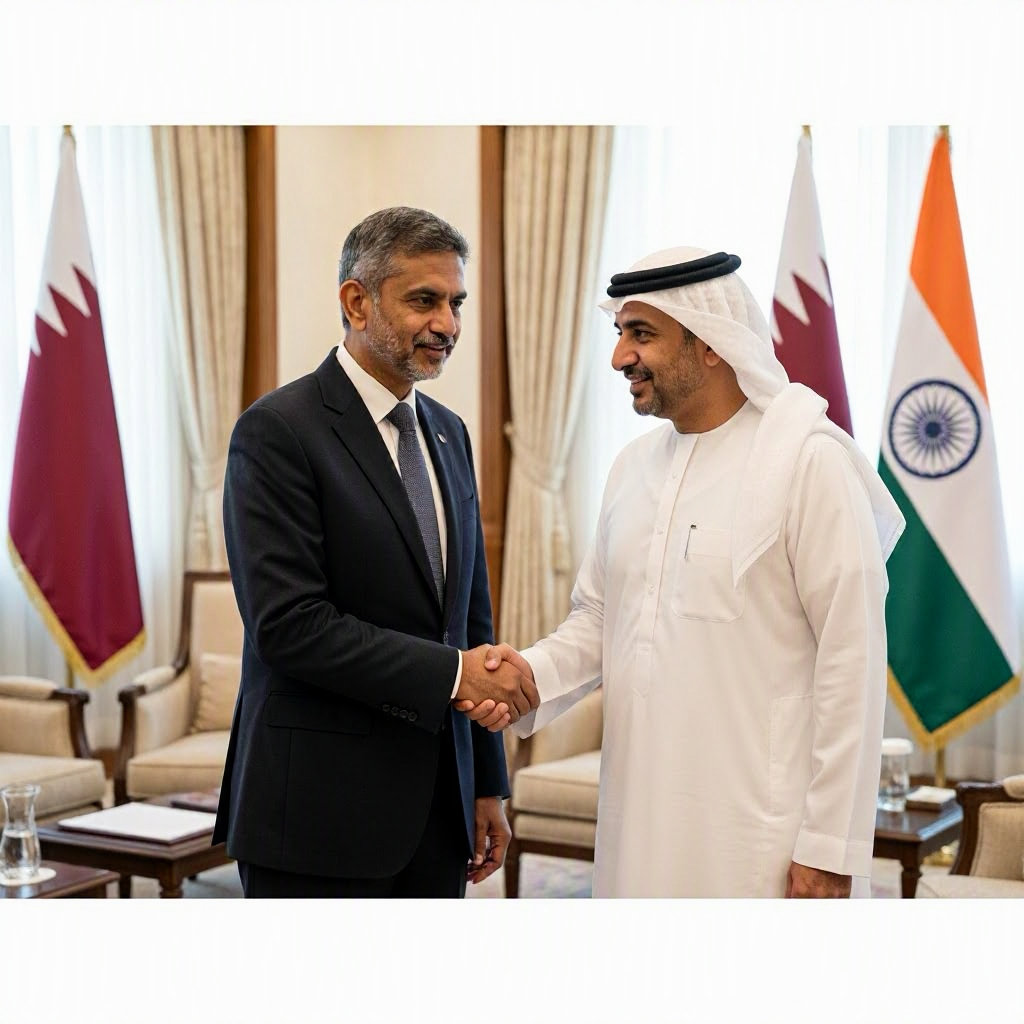
EAM Jaishankar Engages with Qatar PM on Bilateral Cooperation
During his visit to Doha, External Affairs Minister S. Jaishankar met with Qatar's Prime Minister Mohammed bin Abdulrahman Al-Thani. They discussed enhancing bilateral ties in energy, trade, and security, amid evolving regional dynamics following the US-Iran agreement.
Ravi Kumar
July 05, 2026
07:49 PM
External Affairs Minister S. Jaishankar met with Qatar's Prime Minister Mohammed bin Abdulrahman Al-Thani in Doha on Sunday, marking a significant step in strengthening the bilateral relations between India and Qatar. The discussions focused on various key areas, including energy, trade, investments, connectivity, and security initiatives.
Jaishankar's visit to Qatar is part of a broader diplomatic tour covering several Gulf nations, including Bahrain, Kuwait, and Oman, from July 5 to 10. This trip comes against the backdrop of shifting political dynamics in West Asia, particularly following a recent agreement aimed at ameliorating tensions between the United States and Iran.
During the meeting, Jaishankar expressed gratitude to the Qatari leadership for their continued support and for ensuring the safety and well-being of the Indian community residing in Qatar. The minister highlighted the importance of the Indian diaspora, which plays a crucial role in the socio-economic fabric of the Gulf nation.
Both leaders acknowledged the deep-rooted ties between their countries, which have been bolstered by mutual interests in energy security and economic cooperation. Qatar is a significant supplier of liquefied natural gas (LNG) to India, and discussions on future collaborations are expected to enhance this relationship further.
In addition to energy, trade was a focal point of the dialogue, with both sides expressing optimism about increasing bilateral trade volumes. Investments were also discussed, with an emphasis on creating a conducive environment for businesses from both countries to thrive.
Security cooperation emerged as another pivotal topic, particularly in the context of regional stability. The leaders recognized the need for collaborative efforts to address shared challenges in the area.
Jaishankar's engagement with Qatari officials signifies India's commitment to deepening its ties with Gulf Cooperation Council (GCC) nations, reflecting a strategic approach to fostering regional partnerships in a rapidly changing geopolitical landscape.
विदेश मंत्री एस. जयशंकर ने रविवार को दोहा में कतर के प्रधानमंत्री मोहम्मद बिन अब्दुलरहमान अल-थानी से मुलाकात की। इसे भारत-कतर संबंधों को और सुदृढ़ करने की दिशा में एक अहम कदम माना जा रहा है। बातचीत में ऊर्जा, व्यापार, निवेश, कनेक्टिविटी और सुरक्षा पहलों सहित कई प्रमुख क्षेत्रों पर ध्यान केंद्रित किया गया।
कतर यात्रा जयशंकर के व्यापक कूटनीतिक दौरे का हिस्सा है, जिसके तहत वह 5 से 10 जुलाई के बीच बहरीन, कुवैत और ओमान समेत खाड़ी के कई देशों का भी दौरा कर रहे हैं। यह यात्रा पश्चिम एशिया में बदलते राजनीतिक समीकरणों की पृष्ठभूमि में हो रही है, खासकर अमेरिका और ईरान के बीच तनाव कम करने के उद्देश्य से हुए हालिया समझौते के बाद।
बैठक के दौरान जयशंकर ने कतर नेतृत्व का निरंतर सहयोग और कतर में रह रहे भारतीय समुदाय की सुरक्षा व कल्याण सुनिश्चित करने के लिए आभार जताया। मंत्री ने भारतीय प्रवासी समुदाय के महत्व को रेखांकित करते हुए कहा कि वह खाड़ी देश के सामाजिक-आर्थिक ताने-बाने में महत्वपूर्ण भूमिका निभाता है।
दोनों नेताओं ने स्वीकार किया कि दोनों देशों के बीच संबंध गहरे और लंबे समय से स्थापित हैं, जिन्हें ऊर्जा सुरक्षा और आर्थिक सहयोग में साझा हितों ने और मजबूती दी है। कतर भारत को तरलीकृत प्राकृतिक गैस (एलएनजी) का एक प्रमुख आपूर्तिकर्ता है और भविष्य के सहयोग पर हुई चर्चा से इस साझेदारी के और विस्तार की उम्मीद जताई गई।
ऊर्जा के अलावा व्यापार भी संवाद का प्रमुख केंद्र रहा। दोनों पक्षों ने द्विपक्षीय व्यापार के आंकड़े बढ़ाने को लेकर आशावाद व्यक्त किया। निवेश पर भी चर्चा हुई, जिसमें दोनों देशों के व्यवसायों के लिए अनुकूल माहौल बनाने पर जोर दिया गया ताकि वे बेहतर ढंग से आगे बढ़ सकें।
क्षेत्रीय स्थिरता के संदर्भ में सुरक्षा सहयोग भी एक महत्वपूर्ण विषय के रूप में उभरा। नेताओं ने साझा चुनौतियों से निपटने के लिए समन्वित प्रयासों की आवश्यकता पर सहमति जताई।
कतर के अधिकारियों के साथ जयशंकर की यह बातचीत खाड़ी सहयोग परिषद (जीसीसी) देशों के साथ संबंधों को गहरा करने की भारत की प्रतिबद्धता को दर्शाती है। तेजी से बदलते भू-राजनीतिक परिदृश्य में क्षेत्रीय साझेदारियों को मजबूत करने की रणनीतिक सोच के तहत इसे महत्वपूर्ण माना जा रहा है।