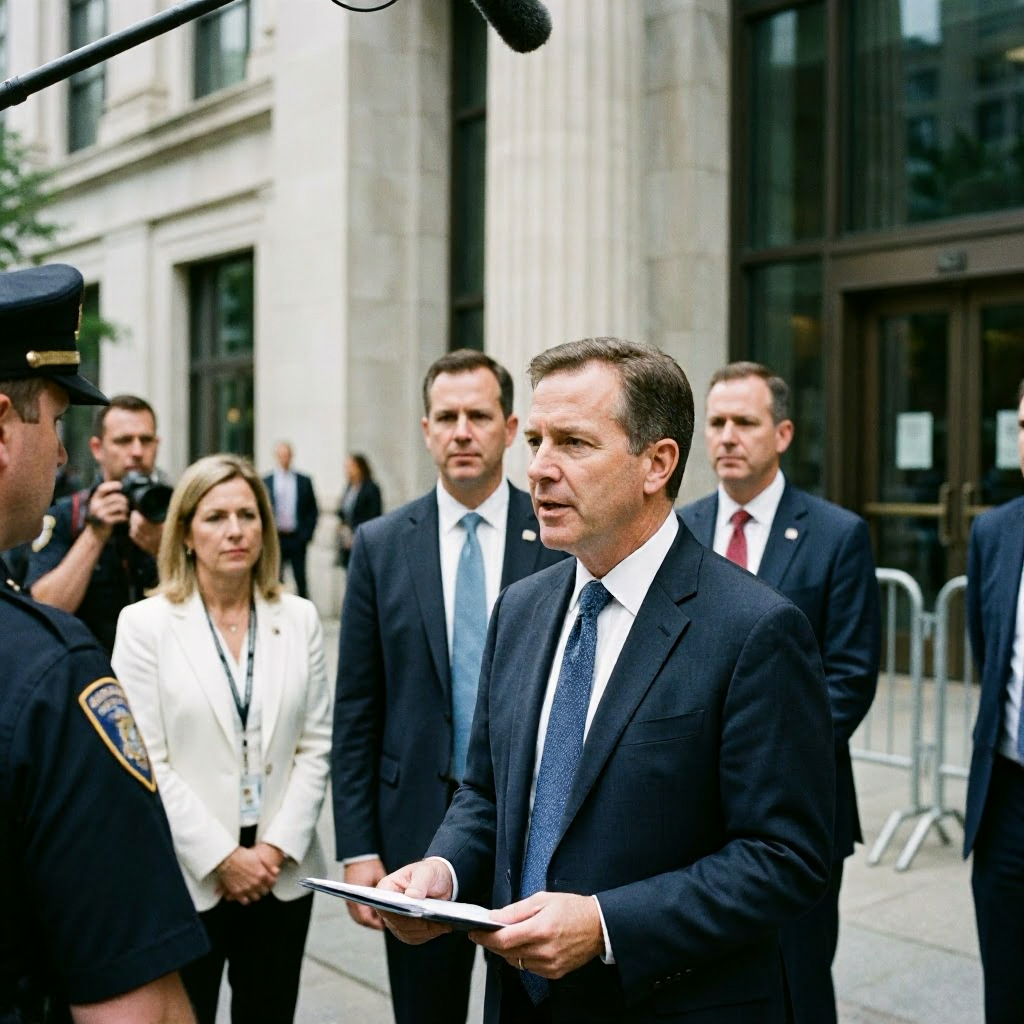
The Department of Justice (DOJ) has issued a critical warning to state election officials about the potential for criminal penalties if they do not take adequate measures to prevent noncitizens from voting. This alert from the head of the DOJ's civil rights division underscores the government’s commitment to ensuring the integrity of the electoral process.
In a statement, the DOJ highlighted the responsibilities of state officials in maintaining accurate voter registration lists and ensuring that only eligible voters participate in elections. The warning comes amid ongoing debates over voting rights and the legality of ballots cast by noncitizens, which have emerged as a contentious issue in various states.
Officials are being urged to implement rigorous checks to verify the citizenship status of voters. The DOJ's message is clear: failure to act could result in not just legal repercussions for individuals but also significant implications for the integrity of the electoral system as a whole.
“We will not tolerate any efforts that undermine the fundamental principle of our democracy,” stated a DOJ spokesperson. “It is imperative that every vote cast is legitimate and that our electoral system is protected from any form of fraud.”
This warning aligns with the DOJ's broader initiatives to safeguard voting rights, especially following a series of state-level laws aimed at tightening voter identification requirements and restricting mail-in voting. Critics of these laws argue they disproportionately affect marginalized communities, but proponents assert they are necessary to ensure election integrity.
As the 2024 elections approach, the DOJ's warning serves as a timely reminder for state officials to remain vigilant in their duties. Observers are closely monitoring how states will respond to this notification and whether they will intensify their measures to comply with federal expectations regarding voter eligibility.
Legal experts suggest that the implications of this warning could lead to increased scrutiny of state election processes and a push for clearer standards regarding voter registration and verification. The DOJ's stance may also ignite further discussions about the balance between ensuring electoral security and protecting voting rights for all citizens.