politics
DMK MLA Anitha Radhakrishnan Arrested Over Defamatory Remarks Against TN CM Vijay
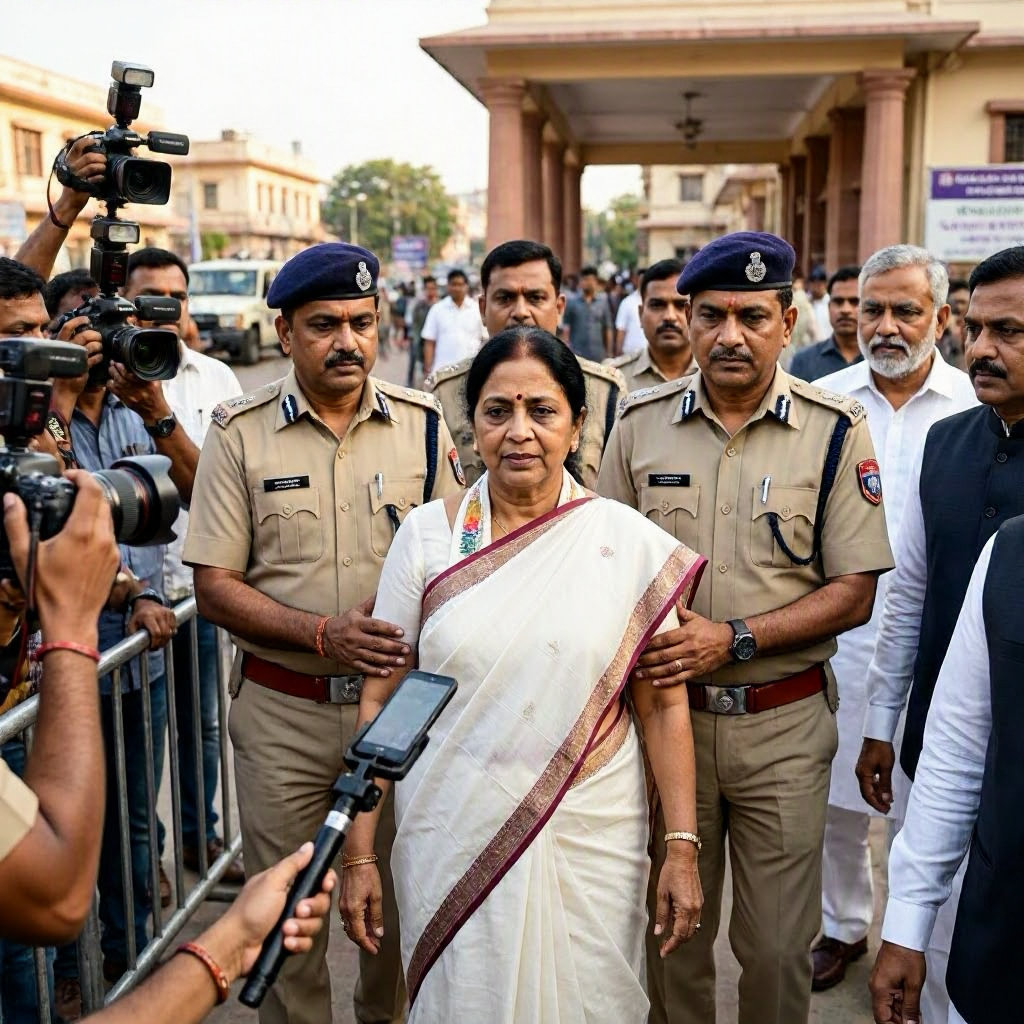
Anitha Radhakrishnan, a former DMK minister and MLA, was arrested after the Madras High Court rejected his bail plea. The case stems from remarks he made during a public meeting that were deemed inflammatory towards Chief Minister C. Joseph Vijay.
Rajendran Kumar
July 03, 2026
11:16 AM
In a significant political development in Tamil Nadu, Anitha Radhakrishnan, a member of the Dravida Munnetra Kazhagam (DMK) and former minister, was arrested on Friday. This action follows the Madras High Court's dismissal of his anticipatory bail petition regarding allegations of making defamatory remarks against Chief Minister C. Joseph Vijay.
The controversy erupted from a speech delivered by Radhakrishnan during a public gathering in Athur, near Tiruchendur, which coincided with the birth anniversary celebrations of the late Chief Minister M. Karunanidhi. According to police reports, Radhakrishnan's comments were perceived as inflammatory and derogatory towards the Chief Minister, prompting legal action.
Law enforcement officials indicated that the remarks could potentially incite public unrest, leading to the filing of a case against him. The police had initially sought to investigate the matter further, which ultimately culminated in Radhakrishnan's arrest after his bail plea was rejected.
The DMK has been a dominant force in Tamil Nadu politics, and Radhakrishnan's arrest raises questions about political freedom and the limits of speech within the state's political discourse. In response to his detention, several party members expressed their discontent, arguing that the action against Radhakrishnan is a tactic to suppress dissent.
In a quick response to the arrest, some political analysts in the state have pointed out the implications for political rhetoric in Tamil Nadu. They suggest that this incident could serve as a warning to other politicians about the consequences of making provocative statements against the ruling government.
As the situation unfolds, the DMK party is expected to rally in support of Radhakrishnan, while the opposition may leverage this incident to criticize the ruling administration's stance on free speech. The legal proceedings and political ramifications of this case will likely dominate the news cycle in the coming days.
तमिलनाडु की राजनीति में एक अहम घटनाक्रम के तहत द्रविड़ मुनेत्र कड़गम (डीएमके) के विधायक और पूर्व मंत्री अनिता राधाकृष्णन को शुक्रवार को गिरफ्तार कर लिया गया। यह कार्रवाई मद्रास हाईकोर्ट द्वारा मुख्यमंत्री सी. जोसेफ विजय के खिलाफ कथित मानहानिकारक टिप्पणी के मामले में उनकी अग्रिम जमानत याचिका खारिज किए जाने के बाद की गई।
विवाद की शुरुआत तिरुचेंदूर के पास आथूर में आयोजित एक सार्वजनिक कार्यक्रम में राधाकृष्णन के भाषण से हुई। यह कार्यक्रम दिवंगत मुख्यमंत्री एम. करुणानिधि की जयंती के अवसर पर आयोजित किया गया था। पुलिस के अनुसार, राधाकृष्णन की टिप्पणियों को मुख्यमंत्री के प्रति भड़काऊ और अपमानजनक माना गया, जिसके बाद उनके खिलाफ कानूनी कार्रवाई शुरू की गई।
कानून-व्यवस्था से जुड़े अधिकारियों का कहना है कि ऐसे बयान सार्वजनिक अशांति भड़का सकते हैं, इसी आधार पर उनके खिलाफ मामला दर्ज किया गया। पुलिस ने पहले मामले की आगे जांच की जरूरत बताई थी, और अंततः जमानत याचिका खारिज होने के बाद राधाकृष्णन की गिरफ्तारी हुई।
तमिलनाडु की राजनीति में डीएमके लंबे समय से प्रभावशाली ताकत रही है। ऐसे में राधाकृष्णन की गिरफ्तारी ने राजनीतिक स्वतंत्रता और राज्य के राजनीतिक विमर्श में अभिव्यक्ति की सीमाओं को लेकर सवाल खड़े कर दिए हैं। उनकी हिरासत के बाद पार्टी के कई नेताओं ने नाराजगी जताई और आरोप लगाया कि यह कदम असहमति की आवाज दबाने की कोशिश है।
गिरफ्तारी पर त्वरित प्रतिक्रिया देते हुए राज्य के कुछ राजनीतिक विश्लेषकों ने तमिलनाडु में राजनीतिक बयानबाजी पर इसके असर की ओर इशारा किया। उनका कहना है कि यह घटना अन्य नेताओं के लिए भी संकेत हो सकती है कि सत्तारूढ़ सरकार के खिलाफ उकसाने वाले बयानों के क्या परिणाम हो सकते हैं।
आगे की घटनाक्रम पर नजर रखते हुए माना जा रहा है कि डीएमके राधाकृष्णन के समर्थन में लामबंद हो सकती है, जबकि विपक्ष इस मुद्दे को लेकर अभिव्यक्ति की स्वतंत्रता पर सरकार के रुख की आलोचना कर सकता है। इस मामले की कानूनी प्रक्रिया और इसके राजनीतिक निहितार्थ आने वाले दिनों में खबरों के केंद्र में बने रहने की संभावना है।