PROVO, Utah (AP) — The courtroom drama surrounding the assassination of conservative activist Charlie Kirk is intensifying as the defense for Tyler Robinson, the man charged with the killing, raises doubts about the DNA evidence presented by prosecutors. This weeklong hearing, which began on Tuesday, is expected to delve deeper into the forensic techniques used to place Robinson in connection with the murder weapon.
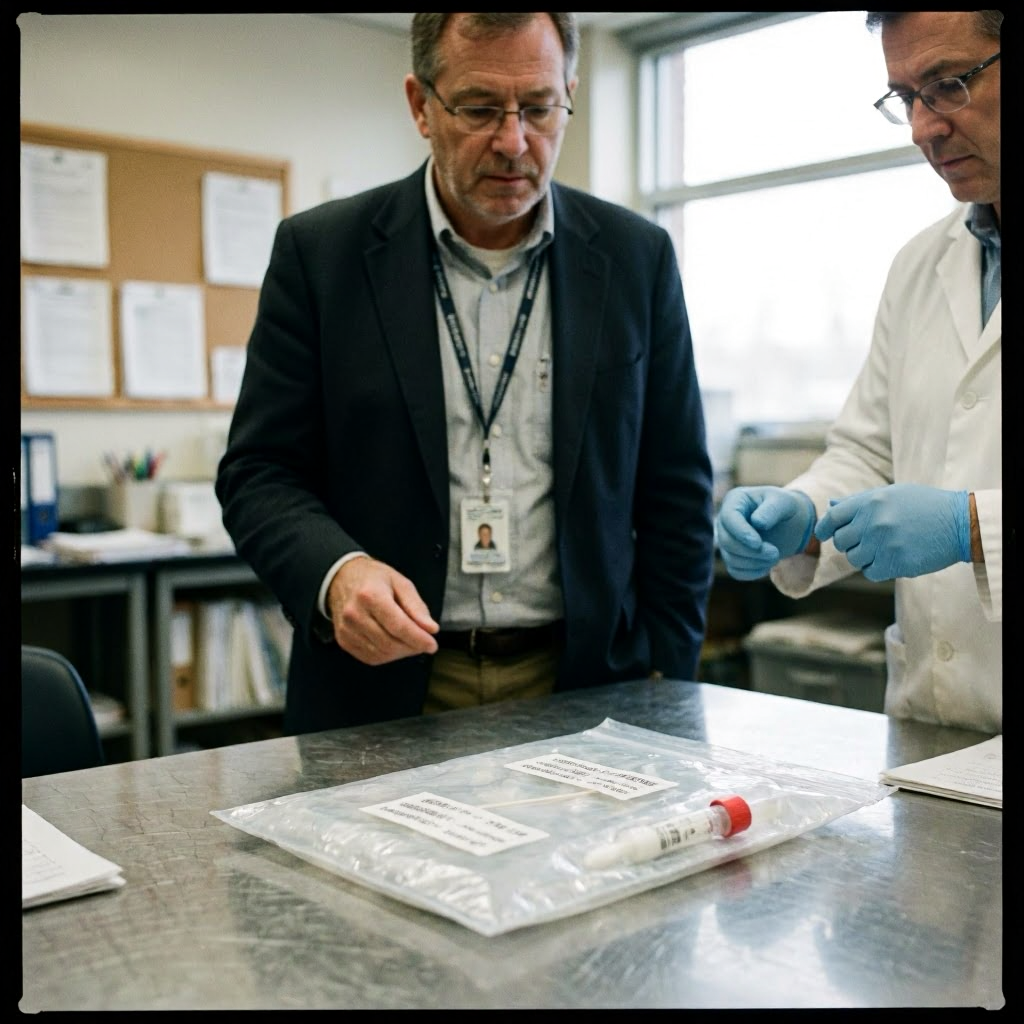
At the heart of the debate is a rifle discovered wrapped in a towel at Utah Valley University, where Kirk was shot while addressing a crowd in September. During Tuesday's proceedings, defense attorney Michael Burt rigorously cross-examined an FBI DNA analyst regarding the methods employed to establish a link between Robinson and the fatal weapon.
Burt's questioning focused on the reliability of the DNA testing process, challenging the standards and protocols applied to the evidence. He argued that the forensic analysis could be flawed, stating, "We need to ensure that the science is not just competent, but irrefutable. The stakes are too high for mistakes to be made in this case."
The prosecution has maintained that the DNA evidence is sufficiently robust to support their case against Robinson. They assert that the findings directly tie him to the rifle, providing a crucial piece of evidence in a case that has drawn national attention and ignited discussions on political violence.
The hearing is set to continue throughout the week, with both sides preparing for a rigorous examination of the evidence. As the legal proceedings unfold, the community remains on edge, grappling with the implications of the case in a politically charged environment.
Legal experts following the case note that the outcome of the hearing could set a precedent for future cases involving forensic evidence. They indicate that defense teams will likely draw from the lessons learned in this case as they navigate similar challenges in court.