politics
Centre Directs Removal of Chinese Apps Disabling E-Rickshaws in Delhi
The Indian government has mandated the removal of two Chinese applications, BAT BMS and Epoch Li-ion, from app stores following allegations they were used to disable e-rickshaws in Delhi. This decision underscores ongoing concerns over cybersecurity and national safety.
Rohit Sharma
July 04, 2026
06:38 PM
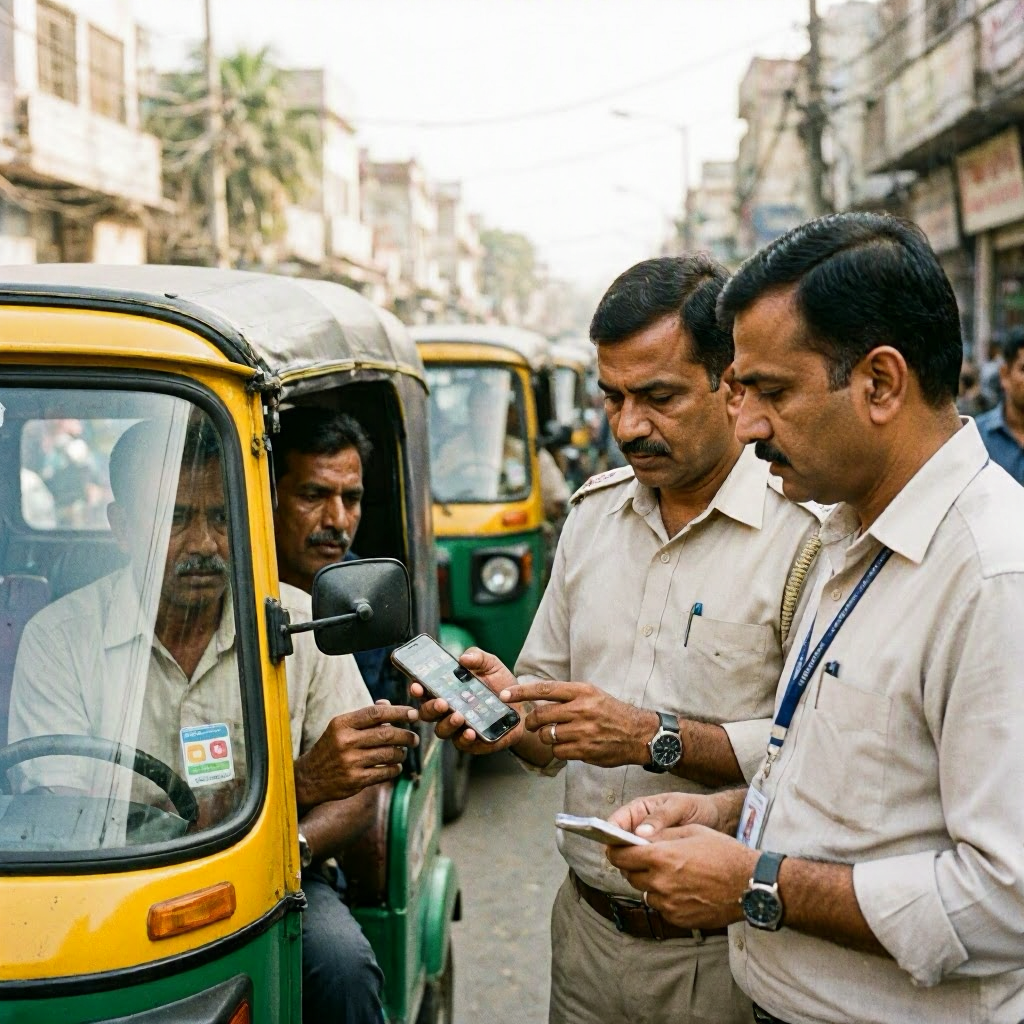
In a significant move to enhance public safety and security, the Indian government has ordered the removal of two mobile applications, BAT BMS and Epoch Li-ion, from both the Android Play Store and the Apple App Store. The directive comes in response to alarming reports that these applications were being misused to disable e-rickshaws operating across the capital city, Delhi.
The Central government’s decision reflects growing concerns about the potential national security risks associated with the use of foreign technology, especially from countries like China. E-rickshaws, which are a popular mode of transportation in Delhi, have been increasingly pivotal in providing affordable mobility options, particularly for the lower-income demographic. Disabling these vehicles not only disrupts daily commutes but also poses a threat to the livelihoods of many drivers.
Authorities have expressed that the misuse of such applications could lead to broader implications, highlighting the need for stringent regulations surrounding mobile technology. The Ministry of Electronics and Information Technology (MeitY) has emphasized its commitment to safeguarding the interests of citizens and ensuring that the technology used within the country adheres to security protocols.
Officials stated, “The use of these apps to disable e-rickshaws is not only a violation of operational norms but could potentially threaten public safety. We are determined to take all necessary measures to protect our citizens from the misuse of technology.” The government’s stance has received overwhelming support from local e-rickshaw unions, who have long complained about the challenges posed by technological interventions that undermine their operations.
In light of this incident, experts are calling for a comprehensive review of technology regulations in India. They argue that ensuring the safety and reliability of apps operating within the country should be prioritized, especially those interacting with critical infrastructure. This situation raises an essential discussion about the intersection of technology, security, and consumer rights.
The removal of BAT BMS and Epoch Li-ion marks yet another chapter in the ongoing scrutiny of Chinese tech companies in India. Following a series of bans on other Chinese applications over security concerns, this latest incident serves as a reminder of the importance of cybersecurity in an increasingly digital world.
As the government moves forward with its directives, stakeholders in the mobility sector, including e-rickshaw drivers and operators, await further guidelines to ensure their operations remain secure and uninterrupted. The fate of these apps, like many others, now rests in the hands of regulatory agencies that are grappling with the rapid pace of technological advancement and its implications for public life.
जन सुरक्षा और सुरक्षा व्यवस्था को मजबूत करने की दिशा में एक अहम कदम उठाते हुए केंद्र सरकार ने दो मोबाइल एप्लिकेशन—BAT BMS और Epoch Li-ion—को एंड्रॉयड प्ले स्टोर और एप्पल ऐप स्टोर, दोनों से हटाने के निर्देश दिए हैं। यह आदेश उन चिंताजनक रिपोर्टों के बाद आया है जिनमें दावा किया गया कि इन ऐप्स का दुरुपयोग कर राष्ट्रीय राजधानी दिल्ली में चल रहे ई-रिक्शाओं को निष्क्रिय किया जा रहा था।
केंद्र सरकार का यह फैसला विदेशी तकनीक, खासकर चीन जैसे देशों से जुड़ी तकनीक के इस्तेमाल से उत्पन्न संभावित राष्ट्रीय सुरक्षा जोखिमों को लेकर बढ़ती चिंताओं को दर्शाता है। दिल्ली में ई-रिक्शा परिवहन का एक लोकप्रिय साधन है और खास तौर पर कम आय वर्ग के लिए सस्ती आवाजाही उपलब्ध कराने में इसकी भूमिका लगातार बढ़ी है। ऐसे में इन वाहनों को बंद किया जाना न केवल रोजमर्रा की आवाजाही में बाधा डालता है, बल्कि कई चालकों की आजीविका पर भी सीधा असर डालता है।
अधिकारियों का कहना है कि इस तरह के ऐप्स का दुरुपयोग व्यापक प्रभाव डाल सकता है, जिससे मोबाइल तकनीक से जुड़े नियमों को और सख्त बनाने की जरूरत रेखांकित होती है। इलेक्ट्रॉनिक्स और सूचना प्रौद्योगिकी मंत्रालय (MeitY) ने नागरिकों के हितों की रक्षा और यह सुनिश्चित करने की प्रतिबद्धता दोहराई है कि देश में इस्तेमाल होने वाली तकनीक सुरक्षा मानकों और प्रोटोकॉल का पालन करे।
अधिकारियों ने कहा, “ई-रिक्शाओं को निष्क्रिय करने के लिए इन ऐप्स का इस्तेमाल न केवल संचालन मानकों का उल्लंघन है, बल्कि इससे जन सुरक्षा को भी खतरा हो सकता है। हम तकनीक के दुरुपयोग से नागरिकों की रक्षा के लिए सभी आवश्यक कदम उठाने के लिए प्रतिबद्ध हैं।” सरकार के इस रुख को स्थानीय ई-रिक्शा यूनियनों का व्यापक समर्थन मिला है, जो लंबे समय से ऐसी तकनीकी दखलअंदाजी की शिकायत करते रहे हैं जो उनके संचालन को कमजोर करती है।
इस घटना के बाद विशेषज्ञ भारत में तकनीकी नियमन की व्यापक समीक्षा की मांग कर रहे हैं। उनका तर्क है कि देश में संचालित ऐप्स की सुरक्षा और विश्वसनीयता को प्राथमिकता दी जानी चाहिए, खासकर उन ऐप्स की जो महत्वपूर्ण ढांचे या परिवहन प्रणालियों के साथ सीधे तौर पर जुड़ते हैं। यह मामला तकनीक, सुरक्षा और उपभोक्ता अधिकारों के बीच संबंधों पर एक जरूरी बहस को भी सामने लाता है।
BAT BMS और Epoch Li-ion को हटाया जाना भारत में चीनी टेक कंपनियों की लगातार बढ़ती जांच-पड़ताल का एक और अध्याय है। सुरक्षा चिंताओं के चलते पहले भी कई चीनी ऐप्स पर प्रतिबंध लगाए जा चुके हैं; ऐसे में यह ताजा घटना तेजी से डिजिटल होती दुनिया में साइबर सुरक्षा के महत्व की याद दिलाती है।
सरकार के निर्देशों पर आगे की कार्रवाई के बीच, मोबिलिटी सेक्टर से जुड़े हितधारक—ई-रिक्शा चालक और ऑपरेटर—ऐसे अतिरिक्त दिशानिर्देशों का इंतजार कर रहे हैं जिससे उनका संचालन सुरक्षित और निर्बाध बना रहे। इन ऐप्स का भविष्य अब नियामक एजेंसियों के हाथ में है, जो तकनीकी प्रगति की तेज रफ्तार और सार्वजनिक जीवन पर उसके प्रभावों से निपटने की चुनौती का सामना कर रही हैं।