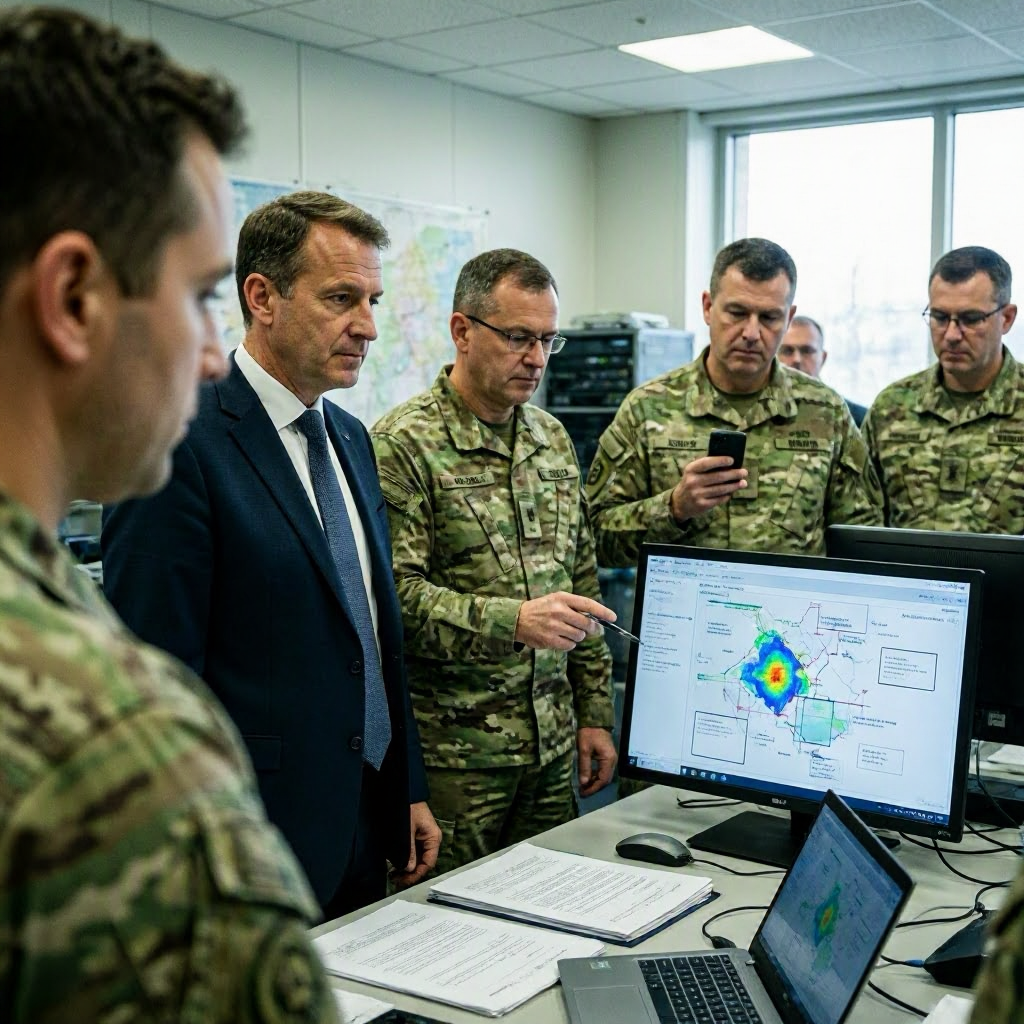
As the integration of Artificial Intelligence (AI) technologies continues to advance, the nature of warfare is undergoing a significant transformation. Modern militaries are increasingly leveraging AI to enhance operational capabilities, streamline decision-making processes, and reshape battlefield strategies. This evolution presents both opportunities and challenges for national security and global stability.
AI systems are now being employed for various military applications, including real-time data analysis, autonomous drones, and predictive maintenance for equipment. The U.S. Department of Defense has been at the forefront of this AI revolution, investing billions into research and development to create smarter weapon systems and improve soldier safety. According to a recent Pentagon report, AI integration has the potential to reduce operational costs by nearly 30%, while also increasing mission effectiveness.
Internationally, countries like China and Russia are also racing to implement AI in their military doctrines. Chinese military experts have emphasized AI as a critical part of their strategy to establish dominance in both regional and global contexts. A recent statement from the Chinese Ministry of Defense highlighted their intent to utilize AI technologies to enhance their combat readiness and improve strategic decision-making.
However, the growing reliance on AI in warfare raises serious ethical considerations. As machines gain more autonomy on the battlefield, questions arise regarding accountability and the potential for unintended consequences. Leading ethicists and military strategists are calling for international regulations that govern the use of AI in combat scenarios to ensure that human oversight remains a central component.
Furthermore, the rapid pace of technological development poses a risk of escalating arms races among nations. The integration of autonomous systems could lead to a situation where conflicts escalate faster than human decision-makers can respond, potentially resulting in catastrophic outcomes. U.S. military officials have expressed concerns that adversaries may develop AI weapons without adequate regulatory frameworks, further destabilizing global security.
In conclusion, AI is not just a tool for modern warfare; it is a game-changer that is actively reshaping the future of conflict. As nations navigate this new landscape, they must balance the benefits of enhanced capabilities with the ethical and strategic implications. The dialogue surrounding AI in warfare is likely to intensify in the coming years, as leaders grapple with the profound changes it brings to the battlefield.