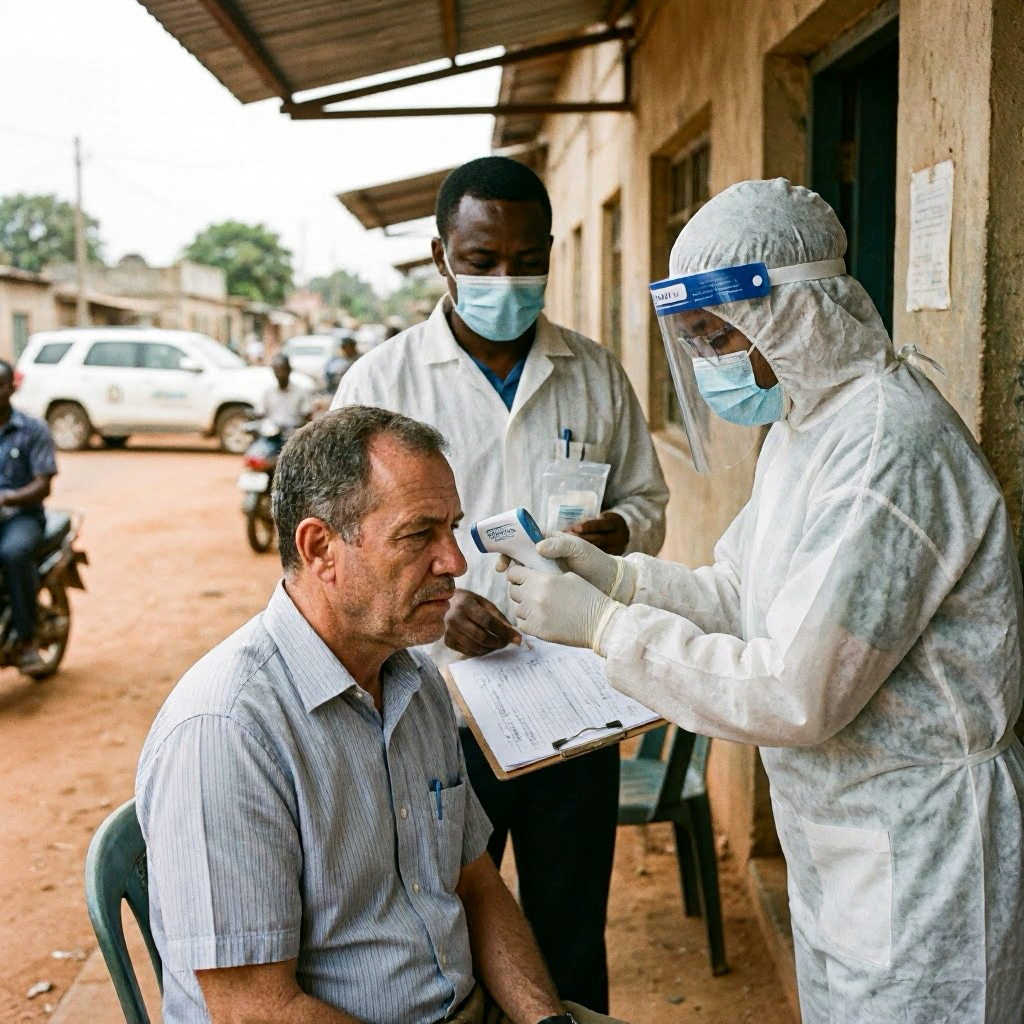
The Centers for Disease Control and Prevention (CDC) announced on July 10 that an American citizen has tested positive for the Bundibugyo strain of the Ebola virus while working in the Democratic Republic of the Congo (DRC). This discovery has raised alarms regarding public health safety and the potential for further transmission of the illness.
The individual, employed by a humanitarian organization, is currently receiving medical care. In their statement, the CDC emphasized their commitment to working closely with the patient's employing organization, as well as other U.S. federal agencies and local health authorities in the DRC.
The CDC's actions include supporting contact tracing efforts, which are essential for identifying individuals who may have been in close contact with the infected citizen. This proactive approach is crucial in mitigating the risk of a larger outbreak. Public health officials are also performing risk assessments to evaluate the potential exposure for others in the area.
The Bundibugyo virus is one of several strains of the Ebola virus, known for its severe symptoms and high mortality rates. Health experts stress that immediate measures are necessary to contain the virus, especially in regions where healthcare infrastructure may be limited.
This case serves as a reminder of the ongoing risks posed by infectious diseases in various parts of the world. The CDC, along with international health organizations, continues to monitor the situation closely to ensure that effective response measures are implemented promptly.
Local authorities in the DRC are also on high alert, having previously dealt with Ebola outbreaks in the past. Their experience in managing such health crises will be vital in handling this new case. As the situation evolves, further updates are expected from health officials.
As the CDC and other agencies work to prevent the spread of the virus, the concern for the health and safety of both local populations and international workers in the region remains paramount.